TRANSFORMING HOMES SINCE 2007
MADE IN BRITAIN
NATIONWIDE SUPPLY & INSTALL SERVICE
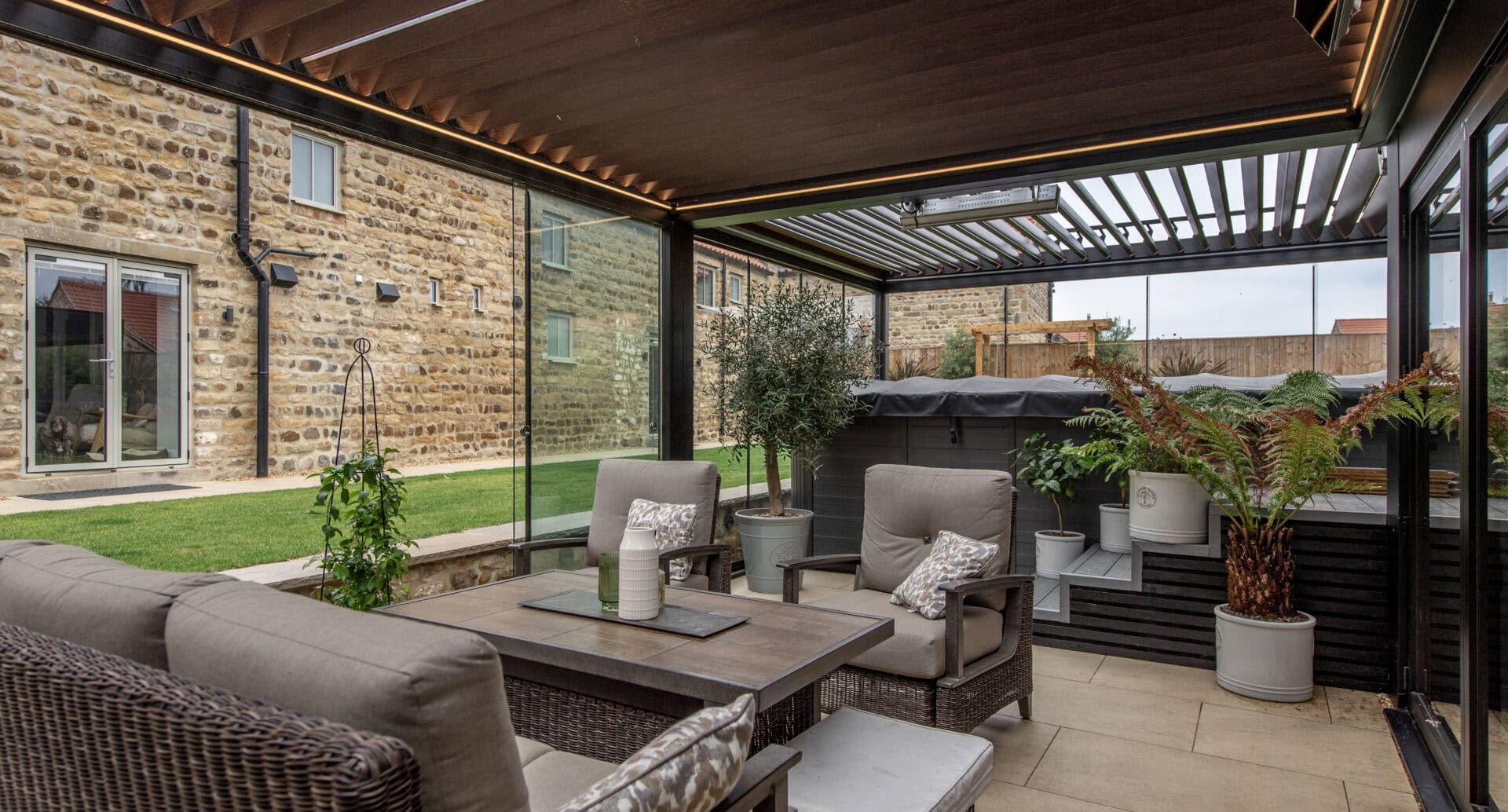
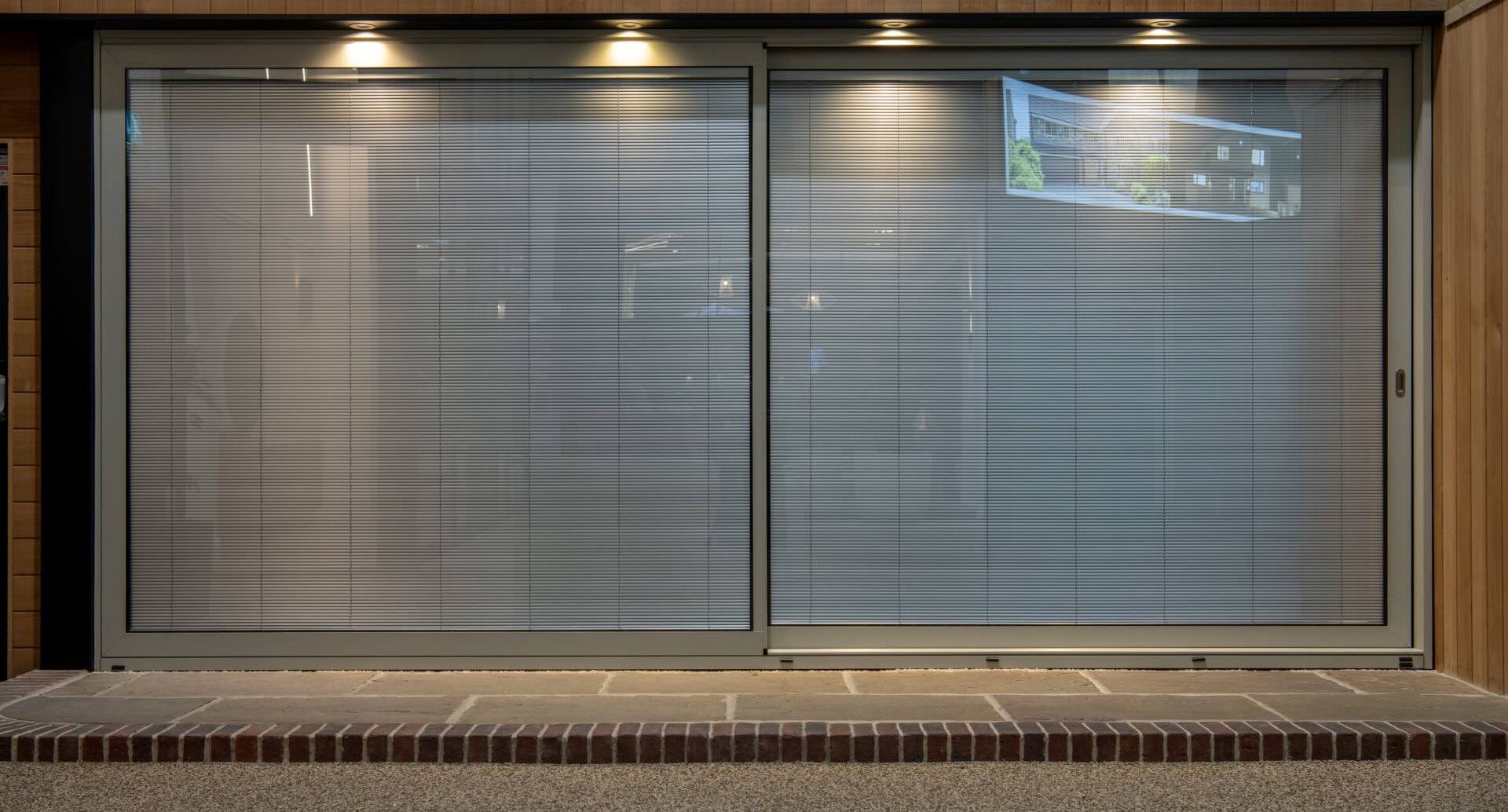
Energy Efficient Sliding Doors: What to Look For This Autumn
As the evenings draw in and the heating goes back on, energy efficient sliding doors move from a nice-to-have to a genuine priority for anyone planning a renovation or extension. At Express Bi-Folding Doors we’re often asked how a wall of glass can perform as well as a solid brick wall through a British winter, and the honest answer is that a well specified aluminium sliding door comes far closer than most homeowners expect.
In this guide we look at the frame construction, glazing and sealing that determine how a sliding door performs once the temperature drops, and how our own systems, including the XP Slide Panoramic+, are engineered with that in mind.
Overview
Why Energy Efficient Sliding Doors Matter This Autumn
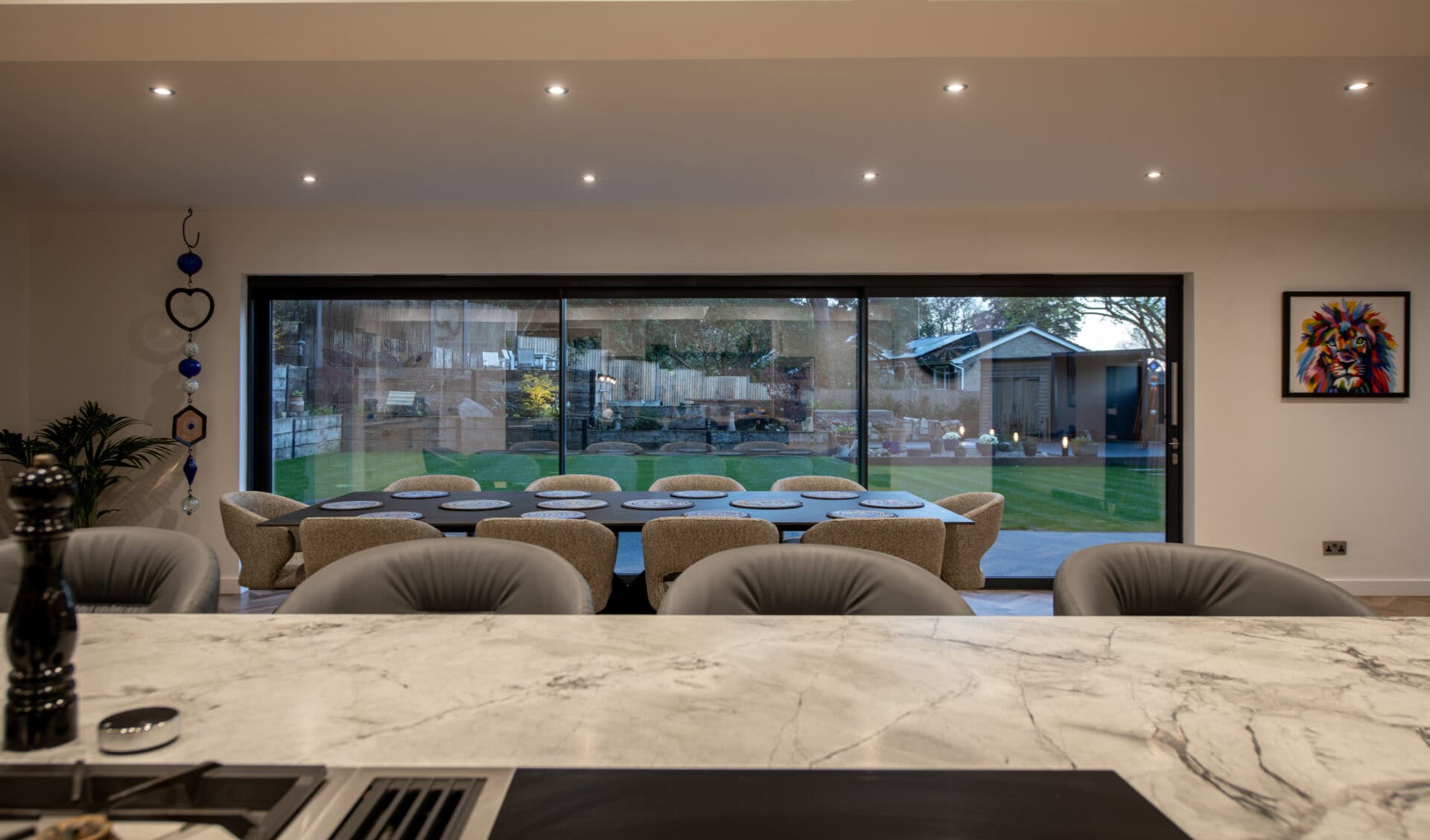
Energy efficient sliding doors are no longer a specialist request; they’re increasingly the starting point of the conversation when homeowners come to one of our showrooms in Weybridge, Milton Keynes, Leeds, Glasgow, Bournemouth and Dublin. A large expanse of glass at the back of a kitchen or living room extension is one of the biggest single influences on how comfortable that room feels between October and March, and on what it costs to keep warm.
The good news is that aluminium sliding doors have moved on considerably from the draughty single-glazed patio doors of decades past. Thermally broken frames, low U-value glazing and properly engineered seals mean a modern system can hold heat in the room just as effectively as it lets light and views in during summer. The rest of this guide sets out exactly what to check.
Frame Construction
The aluminium profile itself is the first place thermal performance is won or lost. A thermally broken frame separates the inner and outer sections of aluminium with an insulating barrier, stopping cold from the outside face transferring straight through to the inside face. Read more in our guide to thermally broken aluminium windows and doors.
Glazing Specification
The glass unit typically makes up the largest surface area of any sliding door, so its construction matters just as much as the frame. Double glazing with a warm edge spacer is the usual starting point, with triple glazing available on selected systems for homes that want the lowest possible heat loss, such as north-facing rear extensions or particularly exposed plots.
1) Thermally Broken Aluminium Frames
Every sliding door we install uses a thermally broken profile as standard. On our XP Slide Panoramic+ and XP Slide Panoramic systems, this construction is part of why the doors are published with a U-value as low as 1.2 W/m²K, a figure that sits comfortably ahead of older aluminium and most uPVC patio doors of a similar size.
For homeowners comparing frame materials directly, our guide to bifold doors vs sliding doors covers how thermal performance and everyday usability differ between the two systems.
2) Low U-Value Double or Triple Glazing
Glazing choice has just as much bearing on comfort as the frame around it. Our XP Slide Panoramic+ is available with a triple glazed offering for projects where the glazing needs to work particularly hard, alongside its standard double glazed specification. Both options use a warm edge spacer bar, which reduces the cold bridging that older aluminium spacer bars were prone to around the edge of the glass.
If you’re weighing up sliding doors against other glazed options for an extension, our piece on glass extension ideas is a useful next read.
3) Track, Roller and Seal Engineering
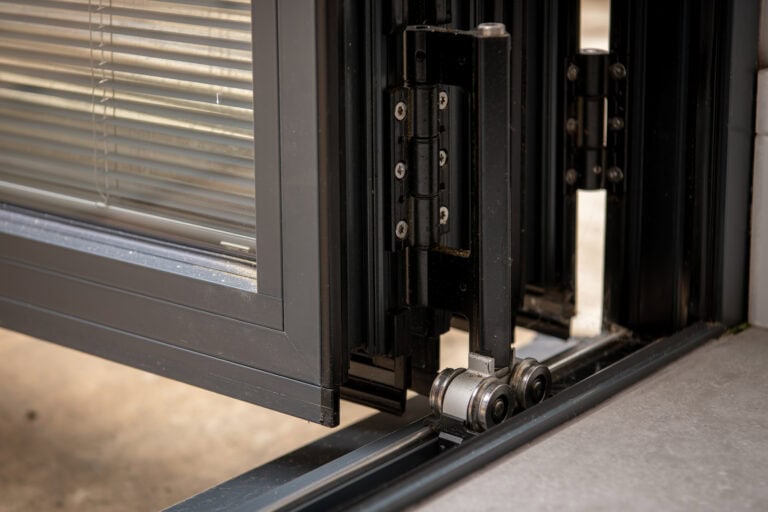
A sliding door only performs as well as the gap it closes. The running gear on our XP Glide and XP Glide R systems uses a lift and slide mechanism, which lifts the panel slightly off the track before it moves and lowers it back down to compress the seals once closed. That compression is what stops draughts finding their way around the panel edges once the door is shut for the evening.
4) Weather Sealing and Draught Reduction
Multi-chamber gaskets run around the perimeter of every panel and along the interlock where two panels meet, forming a continuous seal when the door is closed. On larger configurations, such as our triple-track sliding patio doors or double sliding patio doors, the interlock detail becomes even more important, since it’s the one part of the system that has to seal well while still allowing smooth, everyday operation.
Worn or dirty seals are one of the most common causes of a draughty sliding door in an older installation, so it’s worth checking ours in our guide to preventing condensation on windows, which covers seal care alongside ventilation.
5) Orientation and Autumn Sun
How well a sliding door performs in practice depends on where it sits as well as how it’s built. A south or west-facing opening picks up useful low autumn sun that can offset some heating demand, while a north-facing opening relies more heavily on the frame and glazing specification to stay comfortable. Our design team will always ask about orientation before recommending a double or triple glazed build for a specific project.
How Our Sliding Door Systems Compare
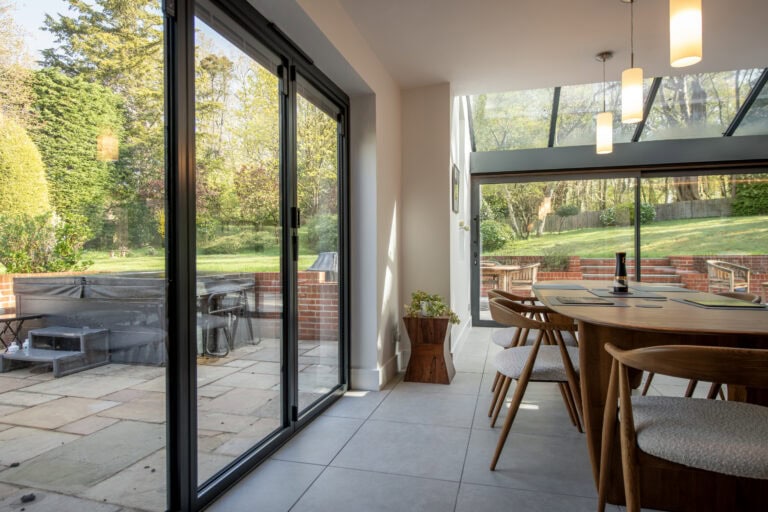
We offer several sliding door systems, each suited to slightly different priorities. The table below is a starting point; our showroom teams can talk you through which specification suits your extension or renovation once they know the orientation and size of the opening.
System Notes
All our sliding systems are available in a wide range of RAL colours, including our popular black sliding patio doors and grey sliding patio doors finishes.
XP Slide Panoramic+
Our flagship slimline slider, published with a U-value as low as 1.2 W/m²K and a triple glazed option for exposed or north-facing openings.
XP Glide and XP Glide R
Lift and slide systems that compress the seals fully once closed, suited to larger and heavier panel configurations.
Double and Triple-Track Sliding Patio Doors
A practical option where a wide opening is needed without the cost of a structurally bonded system, while keeping the same thermally broken frame construction.


[SUGGESTED STEVE QUOTE — please confirm or edit before publishing: “When customers come to us in autumn, thermal performance is usually the first thing on their mind, not just the last. A sliding door lives on the back of the house all year, so the frame and the glazing need to work as hard in January as the opening itself works in July. We always talk homeowners through U-values and seal design before panel count, because that’s what determines whether the room stays comfortable once the clocks go back.”]
6) Sliding Doors as Part of a Wider Extension
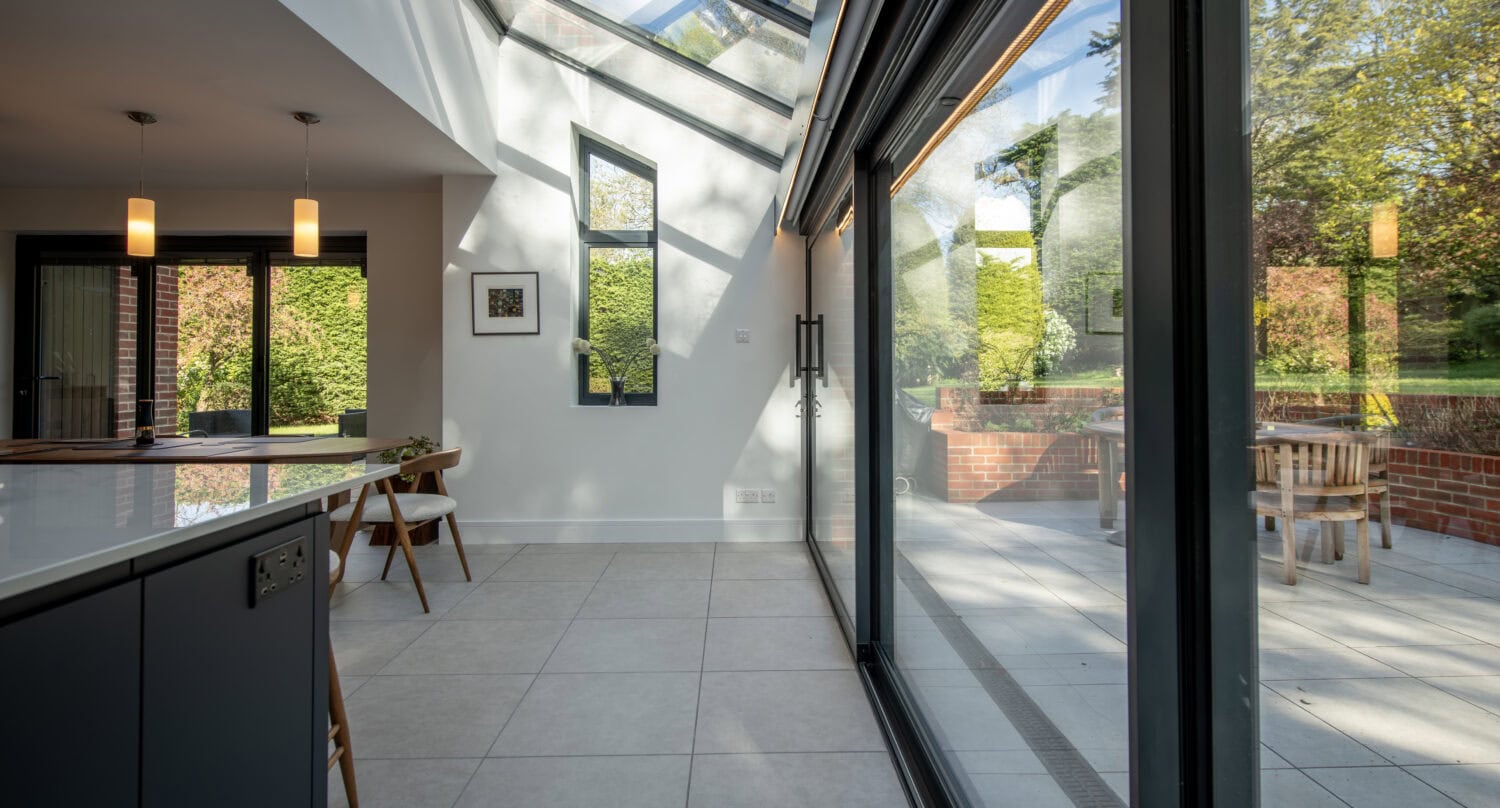
A sliding door rarely performs in isolation; it sits within walls, a roof and often neighbouring windows, all of which affect how the finished room feels. If you’re planning a kitchen or living space extension for next year, our roundup of home extension trends to plan for this autumn covers how glazing, roofing and layout decisions work together. Pairing a sliding door with glass roofing or picture windows on an adjoining wall can bring in more light without adding another opening to heat.
What Doesn’t Add Value
Not every upgrade makes a meaningful difference to thermal performance, and it’s worth being clear about that before you specify a door. Choosing triple glazing for a small, sheltered, south-facing opening rarely pays back in comfort in the way it might on an exposed north wall, and it adds weight and cost that may be better spent elsewhere in the project.
Equally, a striking frame colour or handle finish has no bearing on thermal performance at all; it’s a styling choice, not an efficiency one, so it shouldn’t come at the expense of frame or glazing specification if budget is tight. And no sliding door, however well built, will compensate for poor installation; a correctly fitted standard specification door will consistently outperform a premium one that’s been fitted badly, which is why we always recommend checking who will be doing the installation work, not just which product they’re quoting.
Energy Efficient Sliding Doors: Common Questions
Are aluminium sliding doors as energy efficient as bifold doors?
A well specified sliding door and a well specified bifold door can both achieve strong thermal performance, since both rely on the same principles of thermally broken frames, low U-value glazing and properly compressed seals. The main practical difference is usually in how many joints and interlocks the system has, which our bifold doors vs sliding doors guide covers in more detail.
What U-value should I look for in a sliding door?
Lower U-values indicate less heat loss. Our XP Slide Panoramic+ and XP Slide Panoramic systems are published with a U-value as low as 1.2 W/m²K on their glazed units, which is a helpful benchmark to compare other quotes against.
Can triple glazing be fitted to sliding doors?
Yes. Our XP Slide Panoramic+ system offers a triple glazed option alongside its standard double glazed specification, which is worth considering for exposed or north-facing openings.
Do larger glass panels mean more heat loss?
Not necessarily. Glass technology has improved considerably, and a large, well glazed panel with a good spacer bar and seal can outperform a smaller, older or poorly sealed window. Positioning and orientation, covered above, generally matter more than panel size alone.
How do I keep my sliding door's seals in good condition through winter?
Keeping the track clear of debris and wiping down the gaskets periodically helps them compress properly when the door is closed. Our guide to preventing condensation on windows has more seasonal maintenance advice.
Is it worth replacing an old sliding door before winter?
If your current door is single glazed, has a metal frame with no thermal break, or has visibly worn seals, replacing it before the colder months arrive can make a noticeable difference to comfort and heating costs. Book a visit to one of our showrooms to discuss your options.
See Energy Efficient Sliding Doors in Person
Specification sheets only tell part of the story. Visiting one of our showrooms in Weybridge, Milton Keynes, Leeds, Glasgow, Bournemouth or Dublin lets you feel the weight of the frame, test the seals and see the glazing options in daylight and after dark. Our team can talk you through which sliding door system suits your extension before you commit.