TRANSFORMING HOMES SINCE 2007
MADE IN BRITAIN
NATIONWIDE SUPPLY & INSTALL SERVICE

Choosing Between Aluminium and uPVC for Your Next Project
When you’re planning new doors and windows, the aluminium vs uPVC doors and windows decision is usually one of the first things to settle, because it shapes everything from sightlines to long-term running costs. At Express Bi-Folding Doors we’ve worked with aluminium systems exclusively for almost two decades, so this guide sets out, as plainly as we can, where the two materials genuinely differ and where the choice comes down to personal priorities.
We’ll look at strength, thermal performance, lifespan, design flexibility, environmental impact and cost, so you can weigh up what matters most for your home.
Aluminium vs uPVC doors and windows: what actually sets them apart
Aluminium vs uPVC doors and windows is rarely a question with one right answer, but the material does set hard limits on what a door or window can do. Aluminium is a structural metal; uPVC is a rigid plastic reinforced internally with steel to take any real span. That single difference, metal versus reinforced plastic, explains almost every practical gap between the two in the sections below.
Both materials are widely used across the UK, and both can deliver a warm, secure, weathertight home when installed correctly. The decision tends to come down to how large you want your glazed openings to be, how the finished look should read against the rest of the house, and how long you want the frames to last before they need replacing.
1) Frame strength and sightlines
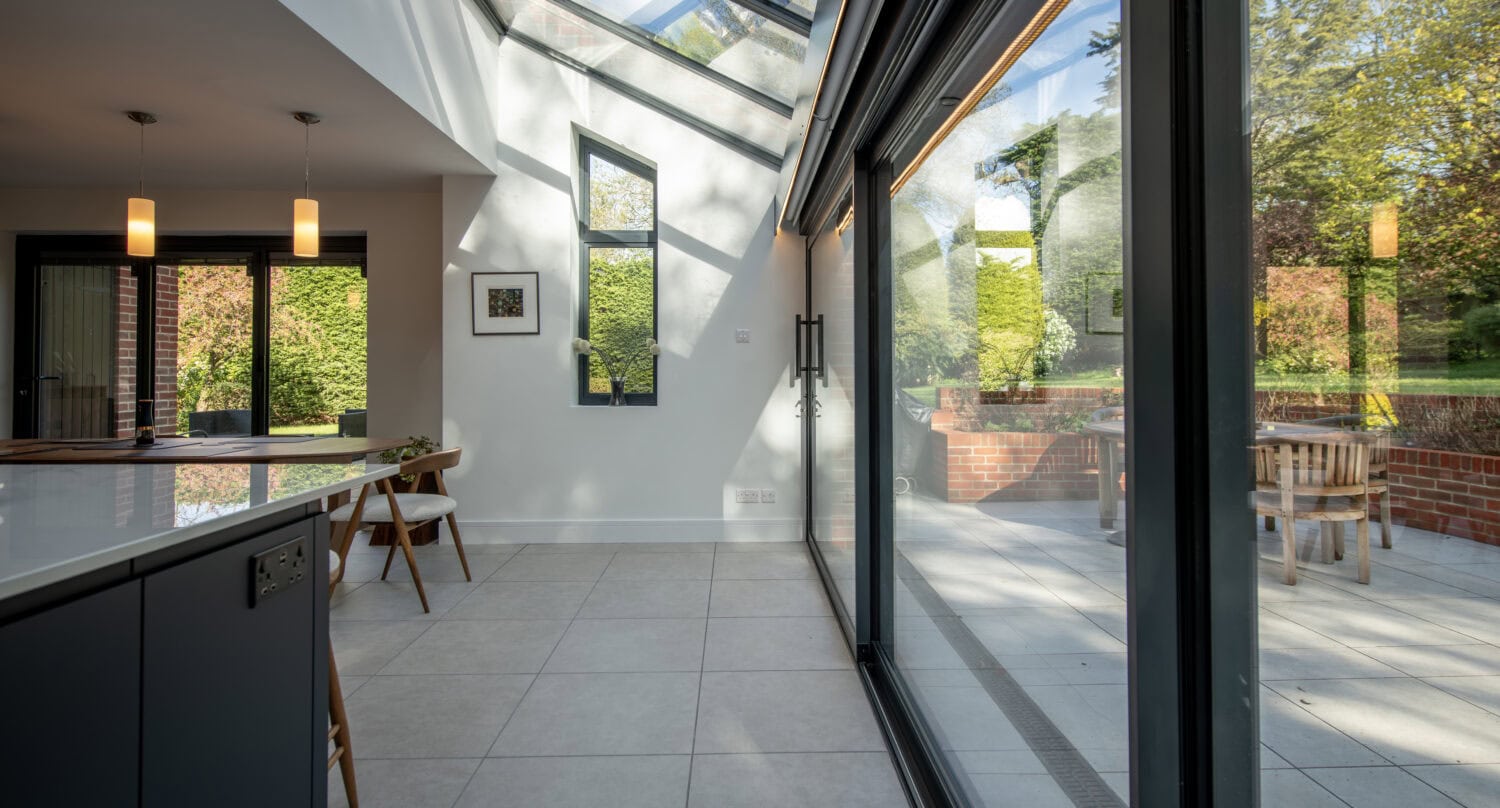
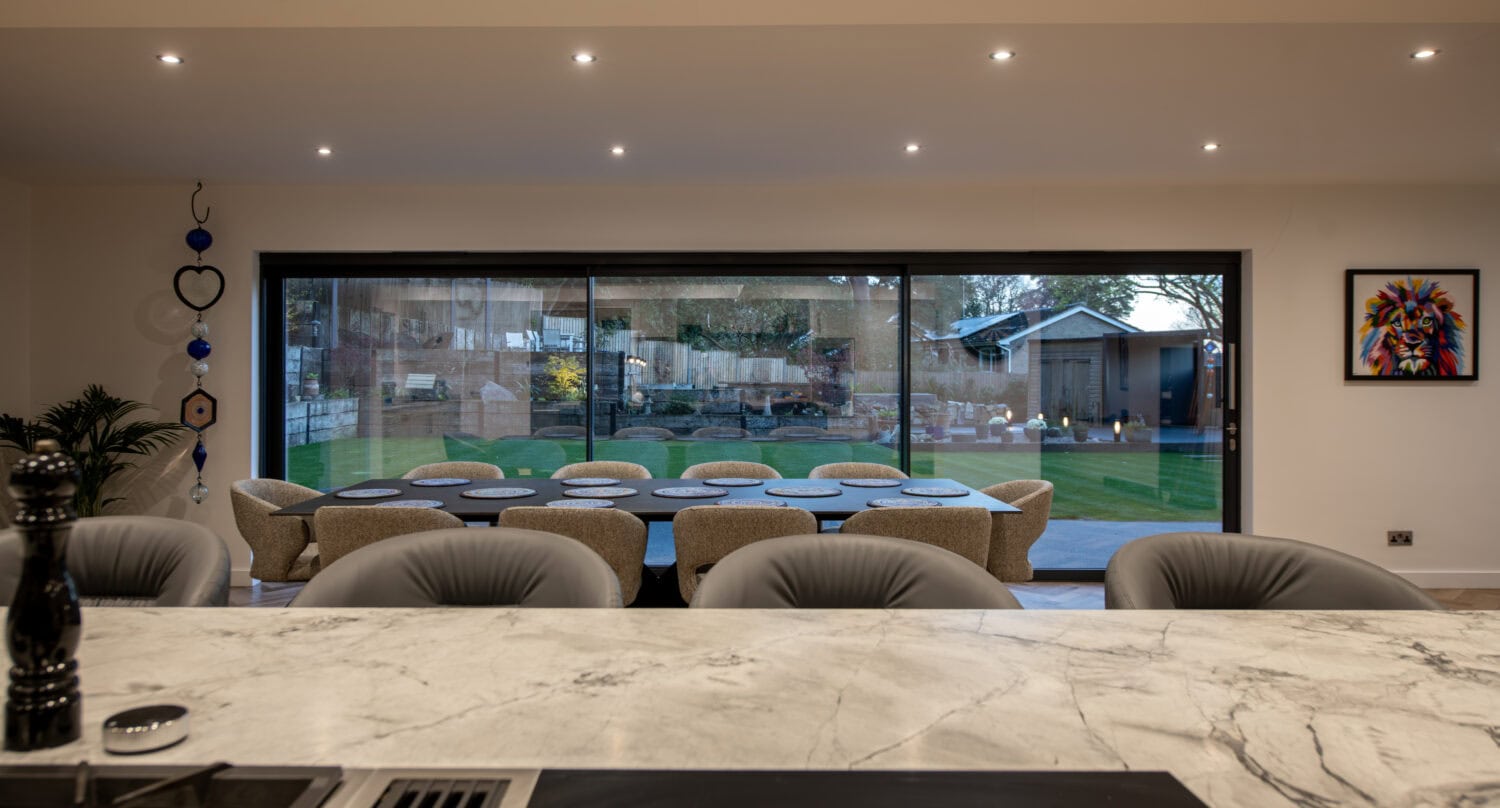
Aluminium is roughly three times stronger than uPVC for the same thickness of material, which means a frame can be made narrower without losing structural integrity. That’s why systems such as XP10 and XP View can achieve such slim sightlines even across wide spans, including configurations like a 4 panel bi-fold; the glass does more of the visual work and the frame does more of the structural work, in less material.
uPVC frames need extra bulk, and often internal steel reinforcement, to achieve the same spans safely. That tends to mean chunkier sightlines and a practical ceiling on how wide a single uPVC panel can go before the frame has to compromise on either strength or appearance. For a wide opening onto a garden or extension, this is usually the first place the two materials visibly diverge.

2) Thermal performance and energy efficiency
Aluminium conducts heat more readily than uPVC on its own, so every aluminium system we fit, including XP88 and our sliding door range, uses a thermally broken frame: a polyamide barrier that interrupts the metal and stops heat moving straight through it. Paired with double or triple glazing, a well-specified aluminium door or window will comfortably meet current UK building regulations for thermal performance.
uPVC is a poorer natural conductor than aluminium, so an untreated uPVC frame starts from a slightly better thermal position. In practice, though, a modern thermally broken aluminium system and a modern multi-chambered uPVC system land in a similar range once you look at the whole-window or whole-door U-value, rather than the frame material alone. We’ve written in more detail about what thermally broken aluminium actually means if you’d like to look at the construction more closely.
3) Lifespan and maintenance
Aluminium doesn’t rot, warp or soften in UV light the way plastic can, and a powder-coated finish typically carries a guarantee well beyond what a uPVC frame offers. Most aluminium systems need little more than an occasional wipe down and a yearly check of the hardware to keep running smoothly; we cover some of the basics in our guide to choosing the right panel configuration, which also touches on how a frame is specified for day to day use.
uPVC holds up well for a good number of years, but it can discolour over time, especially on south-facing elevations, and in strong heat large panels are more prone to slight bowing than aluminium is. Many homeowners find that, over a fifteen to twenty year span, an aluminium frame needs less intervention to keep looking as it did on day one.
4) Design, colour and finish options
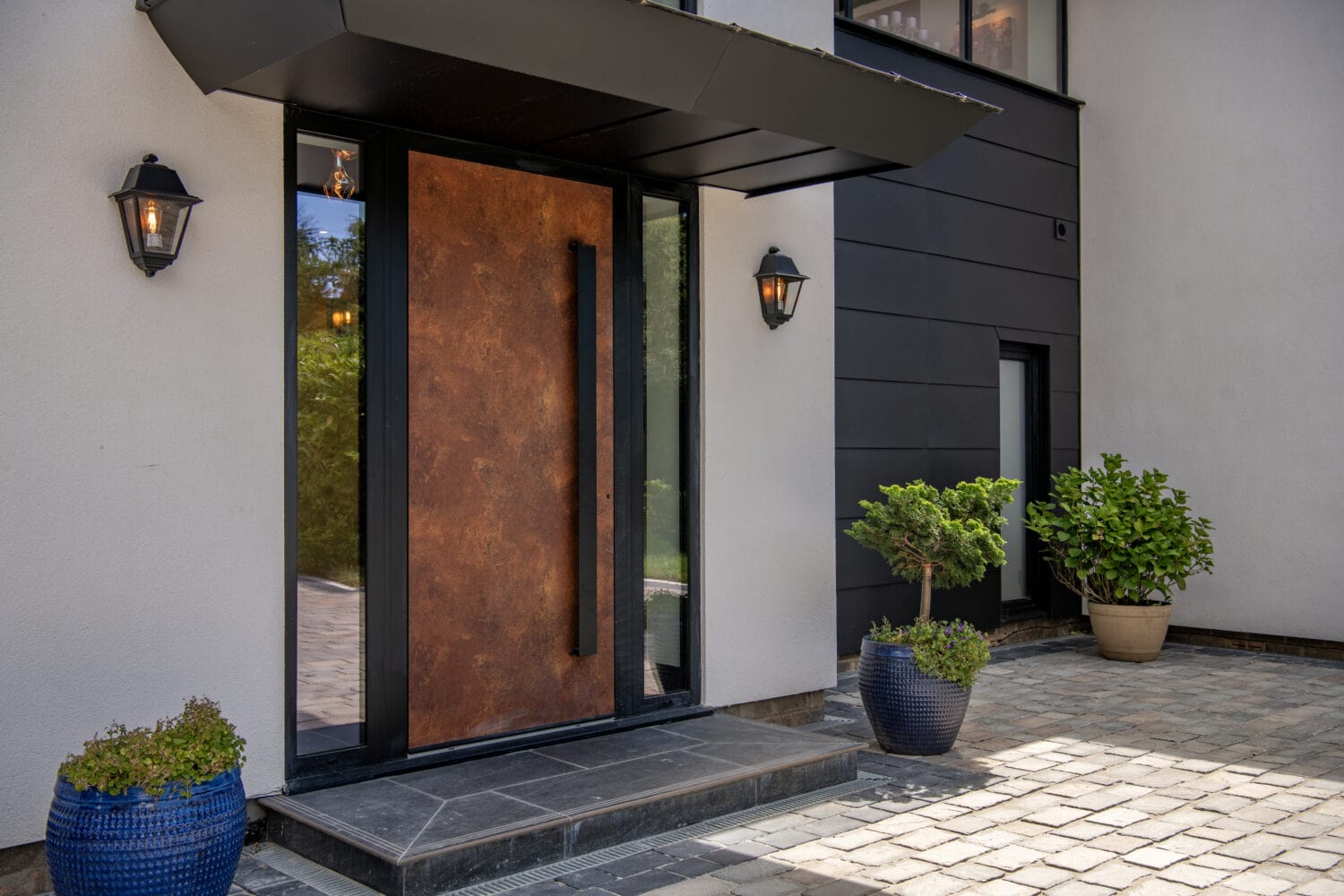
Aluminium takes a powder-coated finish in almost any RAL colour, so a front door, window and bi-fold can all be specified to match or deliberately contrast, as we explore in our guide to aluminium front door styles. Products like Smart Signature Doors, the Premium front door range and pivot front doors show how far that flexibility can go, from bold contemporary colours to finishes that sit comfortably on a period property.
uPVC is usually supplied in a smaller set of factory colours, often as a foil laminate over a white core, and the range of achievable shapes is more limited by the extrusion process. If a highly specific colour, a bonded corner, or a slim industrial look such as our Steel Look Bifold Doors is part of the brief, aluminium gives you considerably more scope.

Aluminium vs uPVC: pros and cons at a glance
If you only read one section, make it this one. Here’s the short version of everything above, side by side.
Aluminium
Slim sightlines, exceptional strength for wide spans, a wide choice of colours and finishes, and a long service life with minimal upkeep. Generally a higher upfront cost than uPVC.
uPVC
Lower upfront cost, naturally low thermal conductivity, and straightforward installation. Bulkier frames, a narrower colour range, and a shorter practical lifespan than aluminium.
Aluminium vs uPVC: quick reference
Where does aluminium tend to win?
Wide openings, bi-fold and sliding doors, bold or bespoke colours, coastal or exposed sites where corrosion resistance matters, and any project where the frame needs to disappear as much as possible behind the glass.
Where can uPVC still make sense?
Smaller, standard-sized windows on a tight budget, rental properties, or projects where matching an existing uPVC installation elsewhere in the house matters more than upgrading one or two openings in isolation.
What do aluminium and uPVC have in common?
Both can be double or triple glazed, both come with multi-point locking as standard, and both, fitted well, will keep a home weathertight for many years.
What should I ask my installer?
Whichever material you choose, ask for the whole-unit U-value rather than just the glass figure, the guarantee on the frame and the hardware separately, and whether the finish is powder-coated or laminated.
5) Environmental impact and recyclability
Aluminium is infinitely recyclable without any loss of quality, and a large share of the aluminium used in UK door and window systems already comes from recycled stock. It’s also a long-lived material, so the embodied carbon of manufacturing is spread over a longer service life.
uPVC can be recycled too, but the process is more limited, and a meaningful proportion of older uPVC frames still ends up in landfill at the end of their life. If recyclability and material longevity both matter to you, aluminium generally has the stronger case.
Built to last
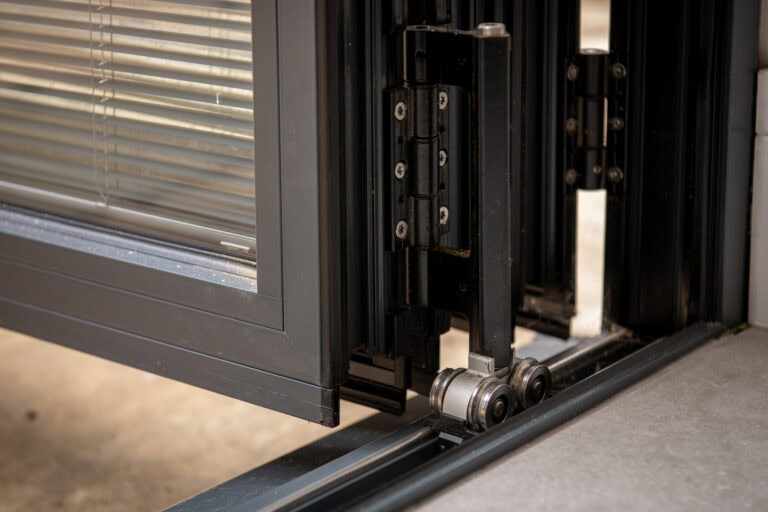
Hardware such as hinges, rollers and locking points is engineered to cope with the full weight of an aluminium door for decades, which is part of why the guarantees on systems like XP Glide and XP Slide Panoramic+ extend well beyond what’s typical for uPVC.
Value over time
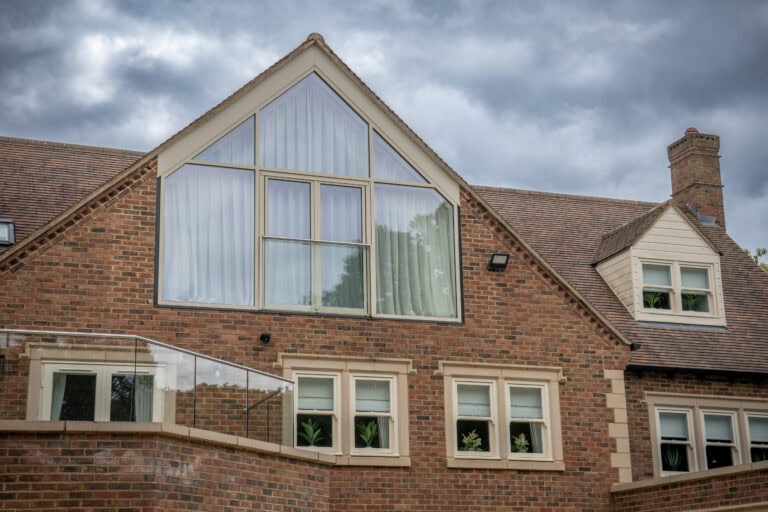
A higher purchase price is usually offset by lower maintenance, fewer replacements and a stronger contribution to resale value, something we discuss more broadly in our piece on renovating an older home with aluminium glazing.
Steve Bromberg, Managing Director shares
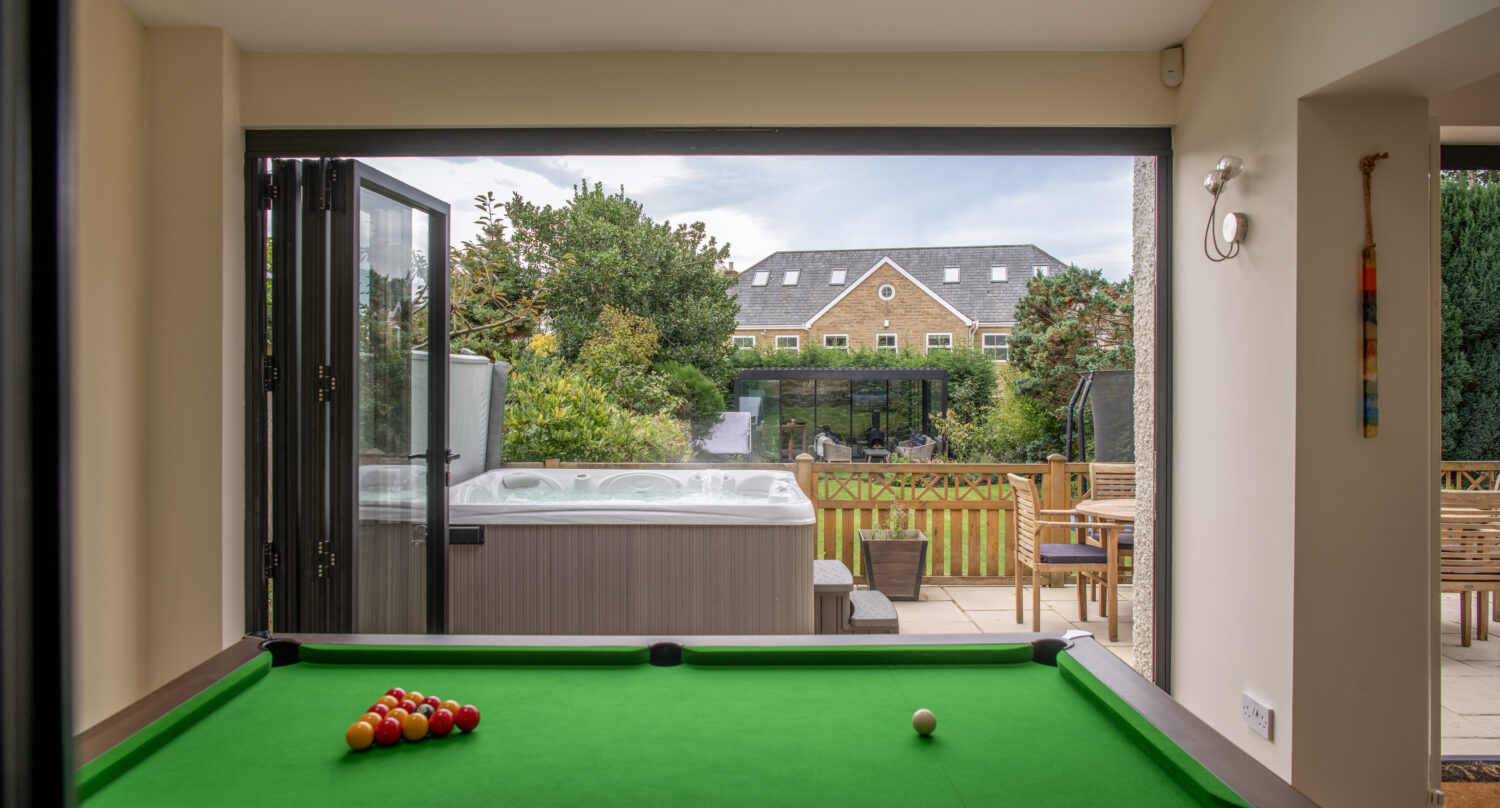
“We get asked about aluminium versus uPVC most weeks in the showroom, and it really comes down to what someone wants the finished opening to look and feel like. If you want a wide run of glass with barely any frame in the way, aluminium is doing a job uPVC structurally can’t match. But if someone’s replacing a single standard window on a tight budget, I’ll say so plainly, because our job is to fit the right product for the opening, not just the most expensive one.”
When uPVC might be the more sensible choice
We fit aluminium because we believe in it, but it isn’t automatically the right answer for every opening. If you’re replacing a handful of small, standard-sized windows on a tight budget, or working on a rental property where the frame will be judged on function rather than looks, uPVC can be a perfectly reasonable choice. The same goes for a project where every other window in the house is already uPVC and consistency matters more than upgrading one or two openings in isolation.
Where the calculation usually tips back towards aluminium is anywhere the opening is wide, anywhere the frame needs to be as unobtrusive as possible, or anywhere the glazing is a major part of how the room will be used, such as a glass roof or a bi-fold onto a garden.
Bringing it together
If you’re still weighing up aluminium vs uPVC doors and windows for a specific project, it’s worth starting from the opening itself rather than the material. A small, standard window behaves differently to a wide bi-fold or a sliding door such as our sliding door range, and the honest answer can differ from one opening to the next in the same house. For a closer look at how the two door types compare in use, see our guide to bi-fold doors vs sliding doors, and if energy performance is your main concern, our separate guides on energy efficient bi-fold doors and energy efficient sliding doors go into more detail on specification.
We’d always recommend seeing both materials in person before deciding. You can do that at any of our showrooms in Weybridge, Milton Keynes, Leeds, Glasgow, Bournemouth or Dublin, where our team can talk through what’s right for your specific project.
Aluminium vs uPVC Doors and Windows
Is aluminium more expensive than uPVC?
Generally yes, aluminium carries a higher purchase price than uPVC. Most homeowners find that cost is offset over time by a longer lifespan, lower maintenance and less need for replacement.
Which material is better for a wide bi-fold or sliding door?
Aluminium. Its strength allows for slimmer frames and larger panels, which is why systems such as XP10 and XP Slide Panoramic+ are built in aluminium rather than uPVC.
Does uPVC perform better thermally than aluminium?
Not necessarily. Untreated aluminium conducts heat more readily than uPVC, but a thermally broken aluminium frame paired with modern glazing achieves a whole-unit U-value in a similar range to a good uPVC system.
How long does an aluminium door or window last compared to uPVC?
Aluminium typically lasts longer, often 35 to 45 years with minimal maintenance, compared with a more common 20 to 25 year lifespan for uPVC before replacement is usually needed.
Can aluminium doors and windows be any colour?
Almost any RAL colour is achievable with a powder-coated aluminium finish, giving far more choice than the factory colour range typically offered on uPVC.


