TRANSFORMING HOMES SINCE 2007
MADE IN BRITAIN
NATIONWIDE SUPPLY & INSTALL SERVICE
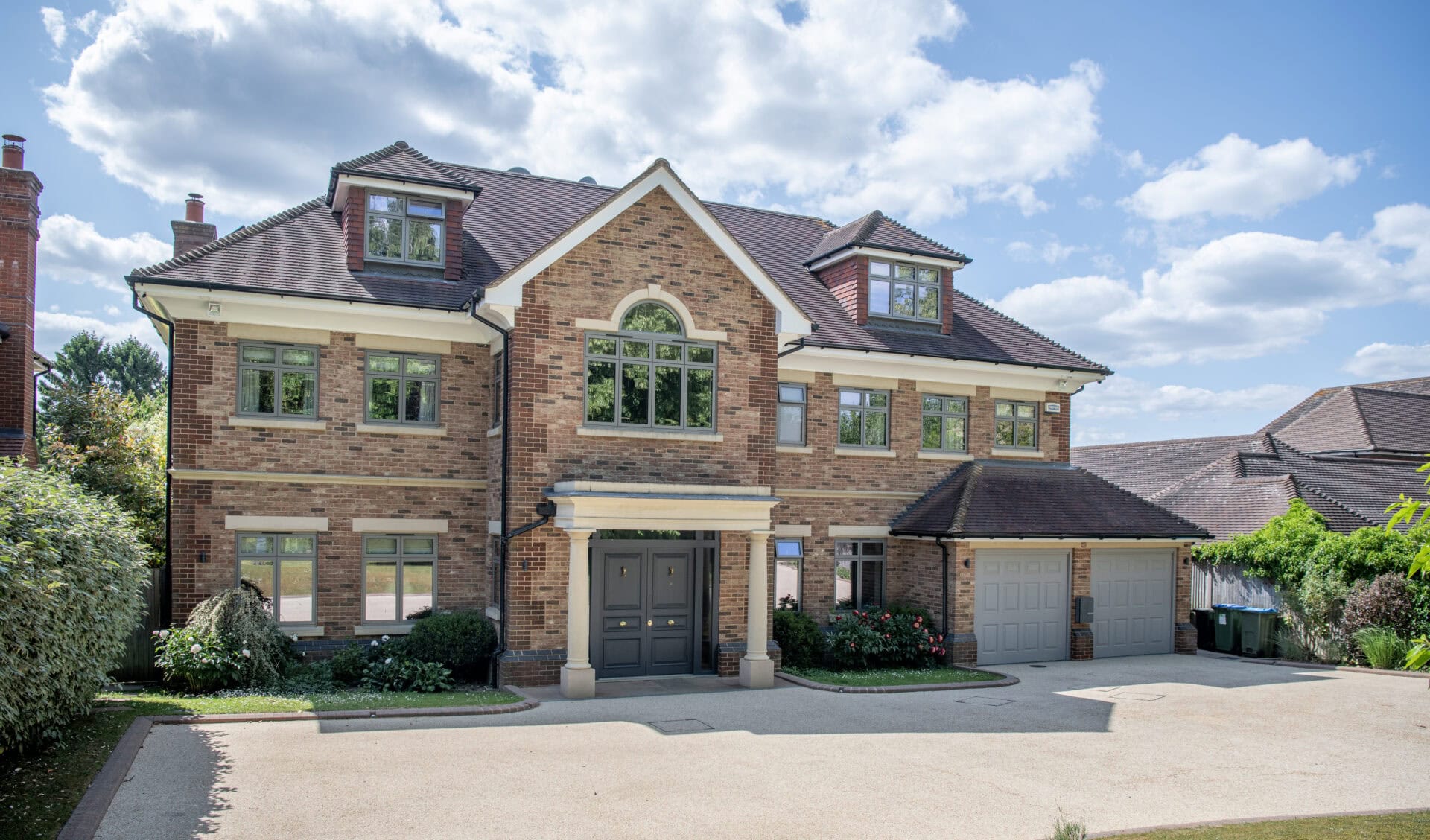
If you’re thinking of installing new windows in your home, you’ll probably be surprised by the number of options available and may feel overwhelmed when encountering new terms and phrases that you’re not familiar with.
To help you understand the various options and industry terms, we always recommend visiting one of our showrooms and speaking with our experts. In the meantime, we’ve created this in-depth window buying guide to cover everything you need to know.
WHAT MATERIALS ARE WINDOWS MADE FROM?
As with any type of bespoke window or door, window frames can be constructed from a variety of materials to suit different aesthetics. The following are the most common:
- Aluminium
- Timber
- PVC
- Composite
All of these have their pros and cons as construction materials. However, it’s important to note that here at Express, we exclusively produce our windows from aluminium to give our customers a product that’s long-lasting, looks great, and performs well for many years.
ALUMINIUM
Aluminium developed a bad reputation in the window industry during the 1970s and 1980s, as cold air would penetrate and cause condensation to form on the profile. Fortunately, those days are firmly in the past. Enhancements in thermal break technology have not only alleviated this problem but have also significantly improved the thermal performance of aluminium windows, making them suitable for even the most stringent building regulations.
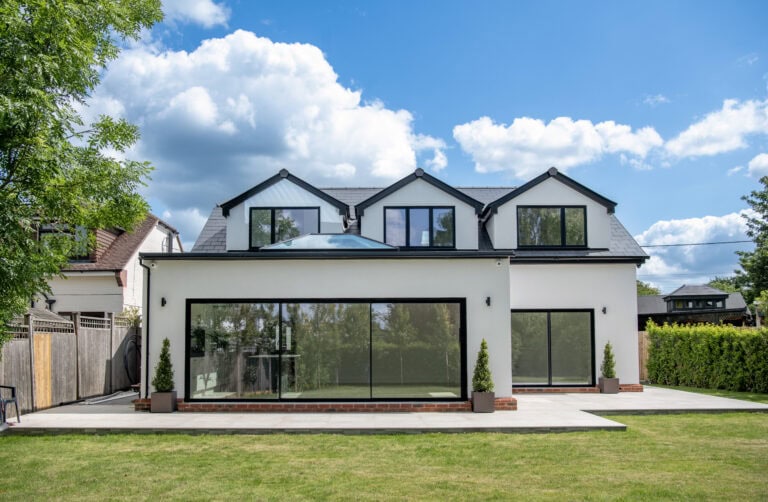
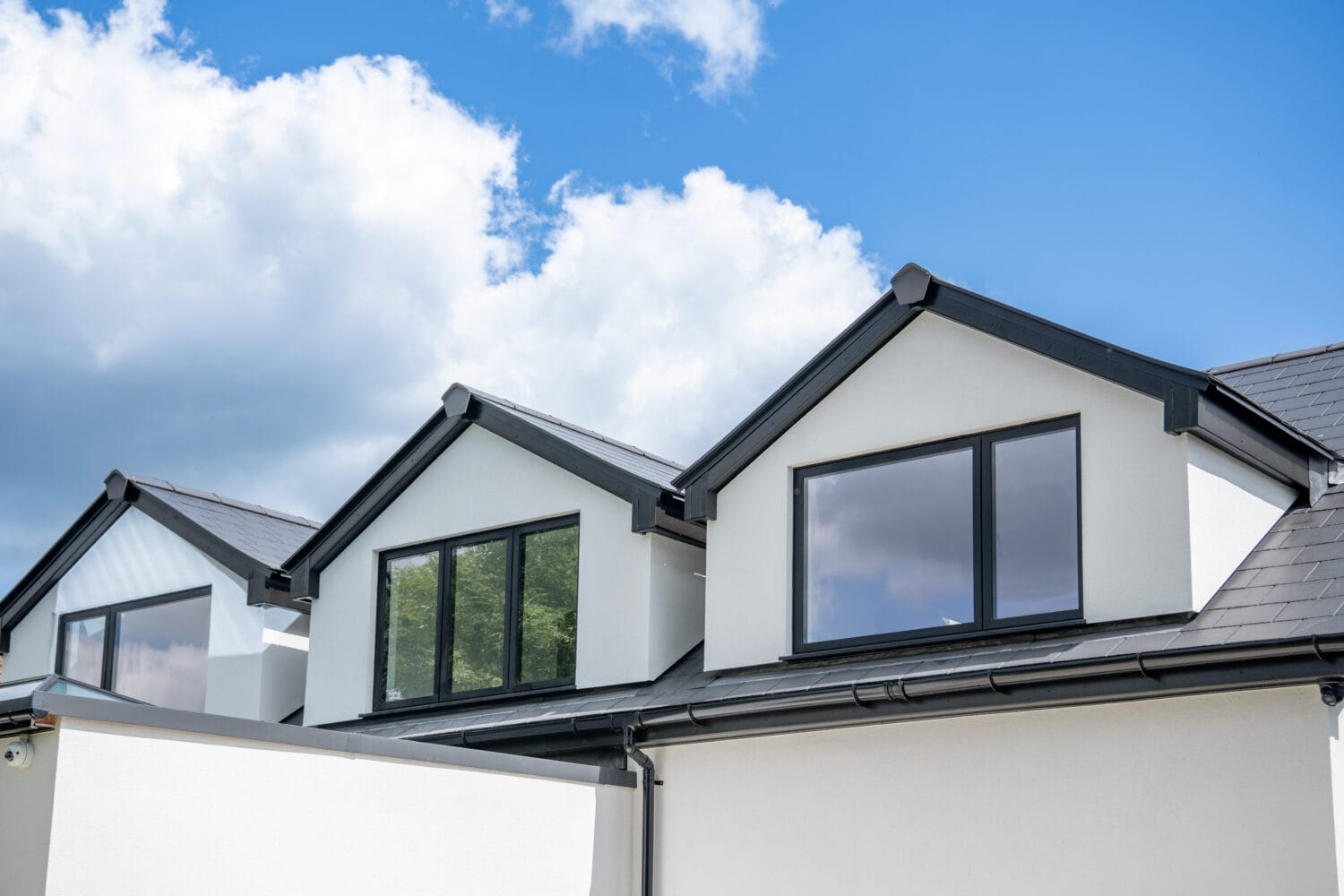
Aside from their thermal performance, aluminium windows are both slim and lightweight, offering narrow sightlines along with the ability to house large opening sashes — meaning more glass and less frame. Easy maintenance, combined with no issues of warping, expanding, or contracting, makes aluminium windows perfect for residential and commercial installations worldwide. Plus, because the profiles do not react to harsh weather, they are available in a huge palette of colours and finishes, including dark shades, as absorbing heat does not negatively impact the profile.
TIMBER
Timber windows can look stunning. Ideally suited to period properties, their classic and rustic feel can add warmth and depth to a property.
Timber is also a great insulator, so it is ideal when aiming for the lowest U-values, but it is also a living material. Timber moves and breathes, and of course, needs regular maintenance. The profiles within timber windows need to be chunkier to ensure they perform over time, so they are definitely more suited to traditional homes rather than current market trends.
PVC
PVC is the cheapest material option, as plastic is a more cost-effective alternative to timber and aluminium. There are major issues with bi-folding and sliding doors made from PVC, but this is not the case with standard-sized windows, as PVC windows look and function perfectly well. PVC is also a good insulator, so there are some excellent U-values available with plastic windows, and system refinements mean there are some attractive and relatively slim sightline windows available.
The strength of the profiles falls short when compared with aluminium, so opening sashes cannot be made nearly as large, and the windows cannot hold heavy glass units. Colours are often foiled veneers rather than a powder-coated application, as that process would melt the window. The downside to this is that foiled finishes do not have as long a guarantee as powder-coated aluminium. PVC is also not suitable for dark colours, as they absorb heat, causing the window to expand in hot weather.
COMPOSITE
Composite windows are a hybrid of timber and aluminium windows — warm and rustic on the inside, with aluminium cladding on the external face to reduce the need for maintenance.
These windows are often seen as the best of both worlds, but they are very expensive and come with the large sightlines required when working with timber.
What window styles are there?
Now that we have covered the materials available, let’s look at the various window styles that are generally available in all of the materials mentioned above.
Casement Windows
Casement windows are the most popular style in the UK and, in the simplest terms, are windows that open outwards. They are hinged on either the side or the top and simply push open. Casement windows are extremely versatile and can be tailored to suit any style of property, and their locking mechanism is generally very secure.

Tilt and turn windows
Tilt and turn windows are very popular across Europe and are becoming increasingly popular here in the UK. Unlike casement windows, tilt and turn windows open inwards by a tilting movement; they can also swing inwards completely to open up the whole window.
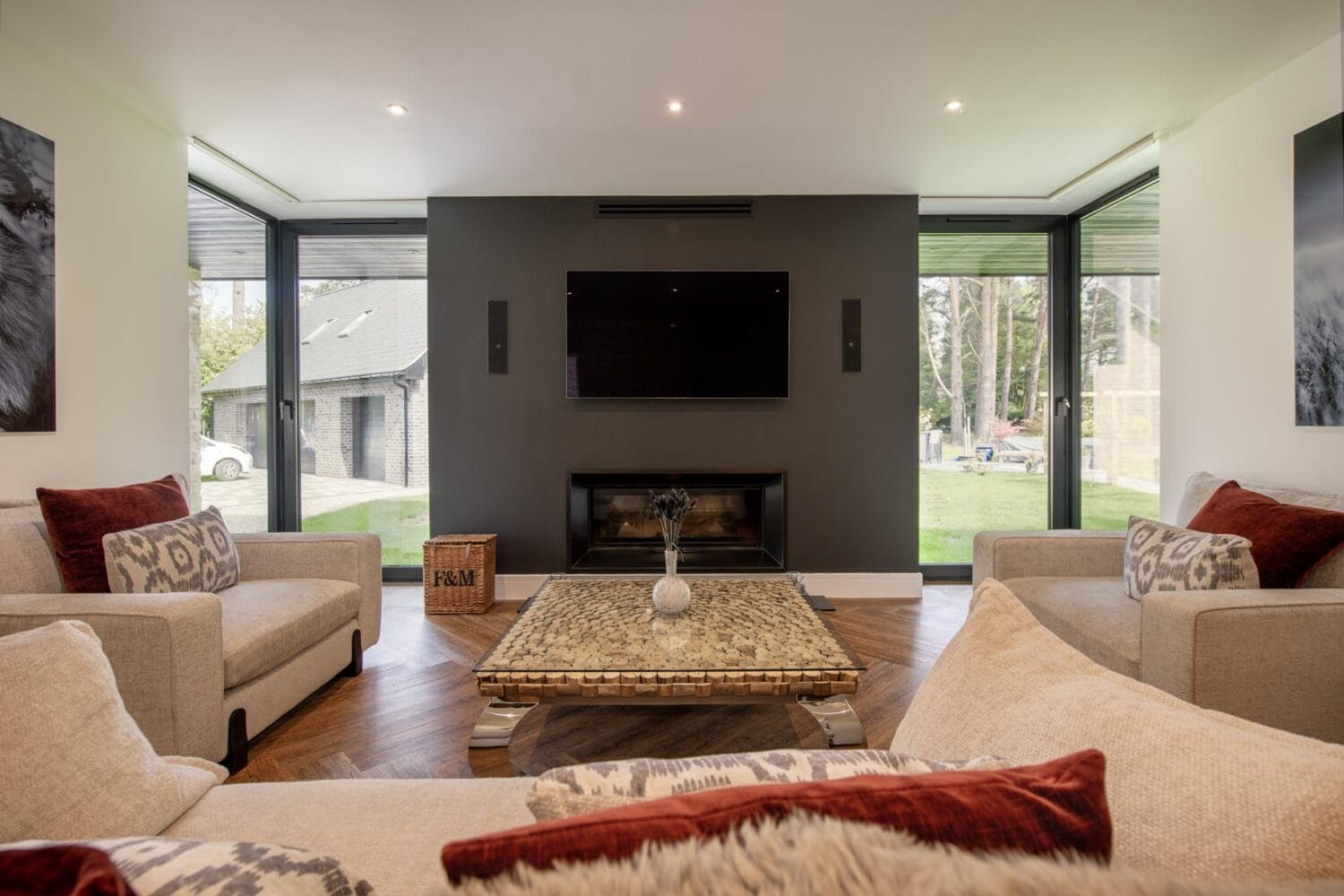
The reason tilt and turn windows are increasing in popularity is that they can be manufactured in much larger sizes than casement windows, aligning with the requirement for more glass and less frame. Huge panes of glass can be tilted in for ventilation or even used as a door. They are great for floor-to-ceiling glass and are highly flexible in that they can be single or double leaf windows, and can even be integrated into larger fixed windows. They are a great solution for modern homes and, without question, are better suited to aluminium than other materials.

Sash windows
Sash windows are the most traditional of window styles and generally feature a very deep frame and bottom rail. Historically made from timber or PVC, the bottom half of the window slides upwards to open. Sash windows look great on period properties but are not available in aluminium, so they need to be sourced in PVC or timber.
Bay Windows
A bay window is an arrangement of three or more window units installed together, with the return windows set at an angle. This set-up is available with any window type. Bay windows add character to the exterior of a building, while internally they make a room feel bigger and allow more light into the space because of the different angles.


Fixed or Picture Windows
The simplest way to describe this is a window that doesn’t open: a window profile and a pane of glass — simple. The beauty of aluminium, however, is that the profiles are slim and strong, so those panes of glass can be made in huge sizes. If the size becomes too large, a slim transom can separate two panes of glass to continue the theme of less frame and more glass.
Steel look or heritage style
Steel-look windows are very popular because of their slim sightlines. This style is also required on listed buildings and works well when installed into stone mullions. Steel windows are very expensive, and most do not have a thermal break, so aluminium can be a better option, with the look achieved using a slim sash and outer frame combination. Cosmetic additions can enhance the steel look, including Georgian bars inside the glass, astragal bars stuck onto the glass, and a heritage-style sash with a step on it to replicate steel windows. Because of their chunkier profiles, PVC and timber are not suitable for steel-look windows.


Curtain-walling
Aluminium curtain-walling is used in city centres right across the globe, often in huge high-rise towers, and is pushed to its maximum capabilities in iconic buildings in major cities like London, Dubai and New York. This obviously doesn’t sound like a typical window, and it’s not, but curtain-walling is becoming increasingly popular in luxury homes and is the perfect product for creating huge walls of glass. Curtain-walling is typically only manufactured in aluminium, and it is similar to cladding as it is non-structural, but the framework is tied back into the building and then the glass front is installed, which looks contemporary and offers the minimal maintenance associated with aluminium.
How does curtain walling work for residential homes?
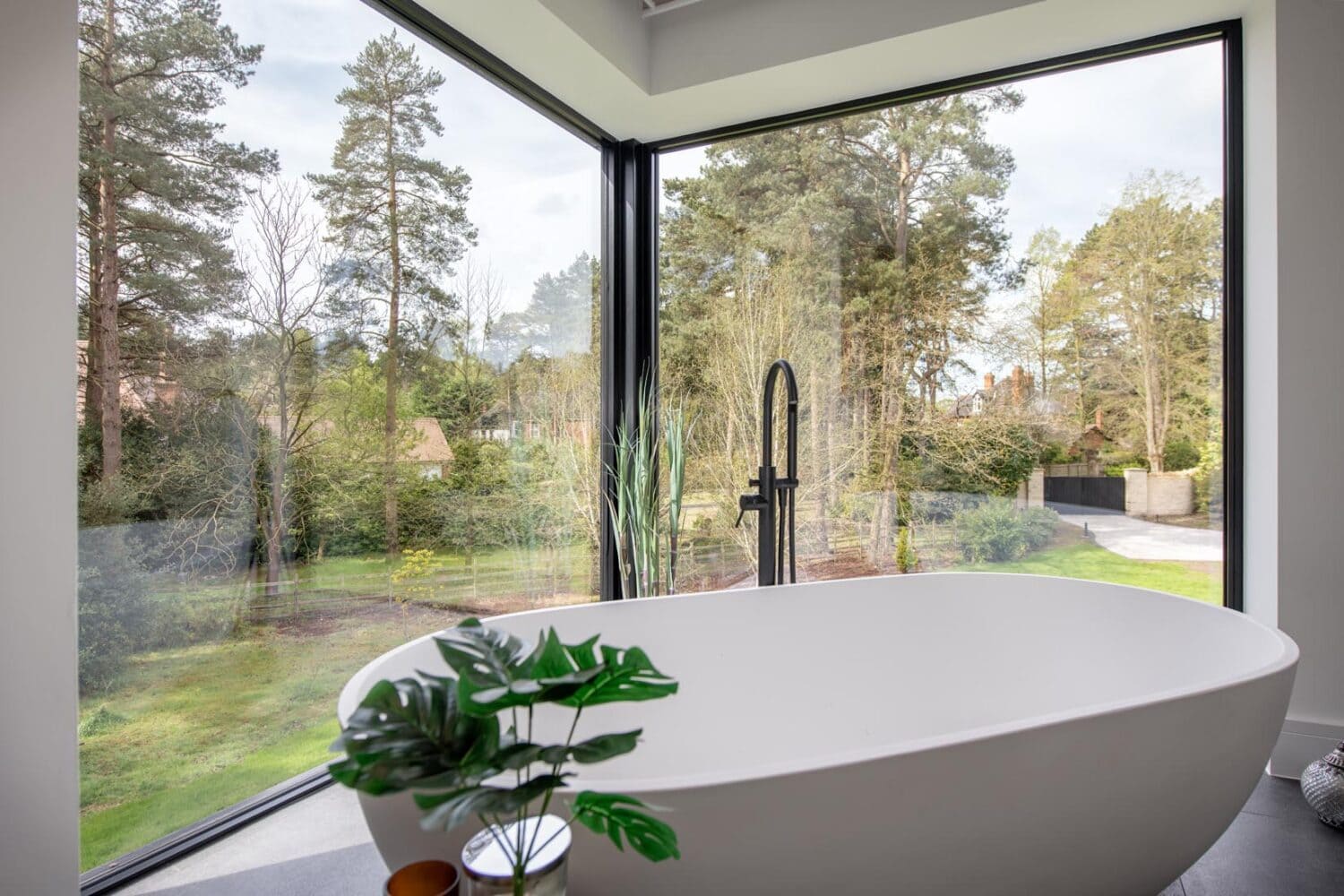
Curtain-walling is perfect for feature glazing; it can span large widths and heights, meaning full-elevation glazing is easily achieved. Curtain-walling is ideal for entrance atriums and large shaped windows, and can even incorporate doors and windows within it. The bespoke nature of curtain-walling is why it is used across the world and why it is perfect for panoramic glazing in the UK.
We take the site postcode where the curtain-walling is to be installed, calculate the wind loading, and design the curtain-walling based on that specific location. To achieve higher weather ratings, the internal profiles of the curtain-walling can be made deeper to give additional strength, or additional transoms can be added into the design. This provides greater strength to the curtain-walling screen as it breaks up the glass and creates more opportunities for the screen to be tied back into the building.
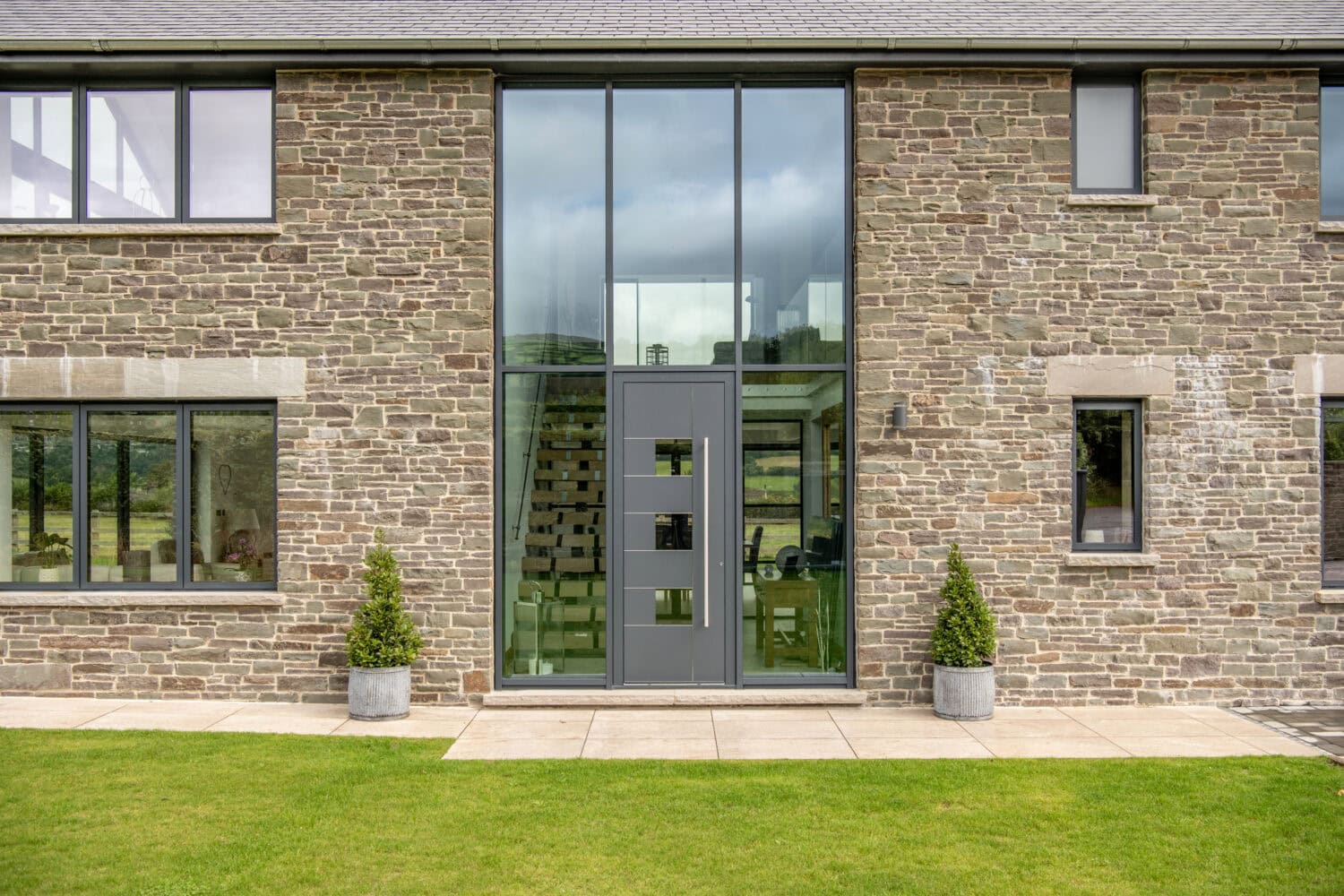
This might sound complicated, but expert companies like ours can work with your builders and architects to create a curtain-wall solution that will look stunning both inside and outside your home. You can create similar effects with large-format windows set on, or fixed to, structural steels, but curtain-walling is ideally suited to creating huge windows while removing the need for structural steels between the glass. This often results in a sleeker aesthetic, which is why it is becoming increasingly popular in luxury new homes and extensions.
WINDOW GLAZING OPTIONS
One of the key considerations when buying new windows is the glass that’s used. Glass can make your home look lighter, warmer, and more inviting, so it’s no wonder that so many people take their glazing so seriously.
There is a wide range of options available to homeowners when it comes to the glazing specification in windows, and there are many well-known brand names offering very similar products. Below are some of the terms you need to look out for:
- Soft coat, thermal performance and U values – A ‘soft coat’ is applied to modern glazing units, and this is what prevents heat from escaping from your windows and bifold doors. This soft coat will have a U value rating; the lower the U value, the better the glass is at keeping the heat in. Low E glass is another common term used.
Unfortunately, there are some unethical Companies in the glazing industry, and some companies will give you the U value of the centre pane glass only. When talking about U values or thermal performance, it’s the overall U value of the window and glass that is needed for building regulations, so make sure you always ask for the overall U value.
- Triple glazing – There is a debate in the industry about whether this offers good value or not. Triple glazing is heavy and can be expensive, so the focus needs to be on those all-important overall U values.
The thermal performance of window products varies greatly, so a really efficient double-glazed window system might achieve a better overall U value than a less efficient window system that is triple-glazed.
Here at Express, all our aluminium windows surpass building regulations when double glazed with a good quality softcoat low E glass, but if you want to push down your U values further then triple-glazing is available across our full range.
- Laminated glass – This is another common word you might hear, as it is stipulated by building regulations in doors from a security point of view. Laminated glass is essentially two pieces of glass bonded together, and this central layer ensures that the glass cracks rather than shatters if it is attacked. Similar to a car windscreen or commercial shopfronts, laminated is definitely worth considering in front door sidelights, if you are concerned about security of if you need your new build or extension signed off by building control.
What about keeping the heat out?
Homes in the UK are designed to keep the heat in, and glass enhances solar heat gain into a property which is generally seen as a positive, but if you’re south-facing a solar control coating can be added to the external pane of glass to reduce the heat from the sun when it comes into your property.
Integral blinds
A great and contemporary option that works wonderfully well within rooms that generate a lot of moisture, like a kitchen or bathroom. The blinds are sealed within the glass and never need cleaning, and when the windows are opened the blinds just open to one side along with the window, meaning no curtain rails or blinds that need cleaning as they are sealed and protected within the glass units. The blinds are available in a range of colours and can be manually or remote operated so are a great way to add privacy and light control to your windows.
Leaded windows
Leaded windows are a more traditional detail that adds real character to a building. As the lead is applied to the glass, it is available on any window style in any material. We often find our customers want a traditional look on their house front and a more minimalist contemporary finish in the rear, so adding lead designs onto the glass is a great way to achieve this traditional appearance.
Georgian bars
Georgian bars are decorative bars that sit within the glass to mimic the appearance of traditional Georgian windows with multiple panes. As they’re sealed within the glas,s they never need cleaning and are most commonly supplied in white. They are also available in gold and dark colours, which has become a cheap and simple way to add the popular steel look to black or dark grey windows and doors.
Astragal bars
The concept is very similar to Georgian bars except the bars are stuck onto the face of the glass. This method takes much longer and is more expensive but does create a more authentic and classic look, particularly if you’re trying to create steel look doors. Steel look windows are very popular but it depends on how many windows are being installed as the price can rise quickly, which is why Georgian bars to tend to be a more popular option.
Visit the glazing section of our website to learn more about glass ranges and technologies, all of which can be installed into any window.
THE BENEFITS OF ALUMINIUM WINDOWS
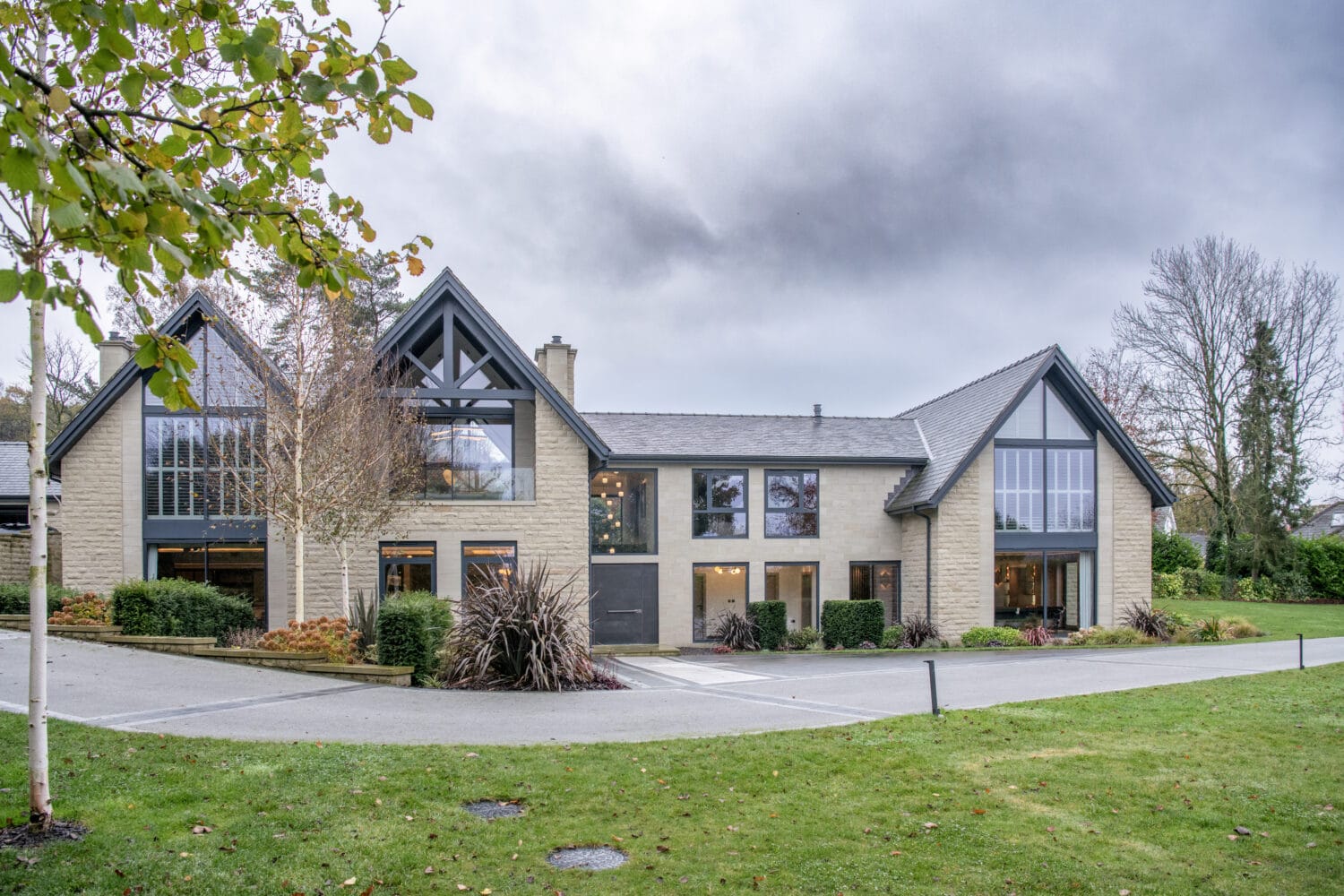
The following are just some of the major benefits associated with windows manufactured from aluminium:
Security – Aluminium is inherently stronger than plastic and timber, which makes it much harder for intruders to attack or force open. The strength of the profiles combined with expert design and quality locks is why we can offer Secured by Design accreditation across our range of aluminium windows.
Natural light – The larger panes associated with aluminium windows mean more natural light coming into your home, which also makes interior rooms and spaces feel larger.
Easy maintenance – Thanks to their aluminium construction and commercial grade power coating, our aluminium windows are exceptionally dirt resistant and easy to maintain.
Eco-friendly properties – Unlike other materials, aluminium is 100% recyclable.
Indoor and outdoor living – Large aluminium windows can completely transform a space, as when closed they as they look contemporary and strong, but the large panes of glass can ensure that your home feels connected to the garden at all times.
Make your home desirable – the premium look and feel of aluminium windows will appeal to potential buyers should you decide to sell your property.
Luxury views – with reduced frame sizes and huge panes, you get fantastically wide views over your garden.
Design flexibility – Aluminium is perfect for large format glazing, floor to ceiling glass, shaped windows and all types of windows that will act as a real design feature within a home.
THE DRAWBACKS OF ALUMINIUM WINDOWS
However, these great benefits also come with what some will consider drawbacks, of which the main ones include:
Cost – Aluminium windows are generally double the price of PVC windows.
European design – Some aluminium window systems are designed in Europe, so don’t offer the full suite of profiles required for UK properties, such as cills and bay poles. This isn’t a problem with Express though, as we’ve been manufacturing aluminium windows since 2007 so are experts in UK residential installations.
Thermal performance – Aluminium is not as well insulated as timber and PVC. Thermal break technologies have significantly improved the thermal performance of aluminium, so for very strict benchmarks such as passive house standards aluminium windows can achieve the required U values, but it’s often very expensive to meet the most stringent of U value requirements.


Our window range
Our range of windows is manufactured solely from aluminium. Our casement windows boast a flush sash and outer frame that varies in depth depending on where it is being installed, and our heritage style sash is perfect for slim sash windows. Our tilt and turn windows boast Secured by Design accreditation also and we use this system to not only make beautiful tilt inwards windows, but shaped and picture windows also. Our full window suite is available as a bay window, and we can use curtain-walling to create full elevations of glass.
Our range is perfect for replacing existing windows or if you’re knocking down brick courses to make your new windows bigger. Our range is also perfect for new extensions and new build homes so we can work with you to find the perfect window solutions for your project.
Invest in Lasting Quality and Efficiency
At Express, we understand that your windows should be more than just attractive — they should also keep your home secure. Our aluminium windows are manufactured to do just that, with strong materials and multi-point locking systems that offer dependable protection. The bespoke nature of our windows means we can offer traditional styles in keeping with the rest of your street, or modern slim-profile windows that add a real contemporary stamp to your property.
Each window within our range boasts advanced thermal break technology to ensure a comfortable indoor climate. Plus, with over 200 RAL colours and numerous finishes, you can easily match your new windows to your home’s aesthetic. Whether you’re building your forever home, replacing your existing windows, or working your way up the property ladder, we can cater to all budgets and tastes — whether you prefer a bold statement or a subtle but significant upgrade.


Complement with other express products
The beauty of working with Express is that our products can be mixed and matched to stunning effect. Combining windows with our door products often results in light-filled homes that look fantastic both inside and out. Shaped windows above bi-fold or sliding doors, below pitched glass roofs, or within the angled detail beneath a home’s roof ridge lend themselves well to our products. Glazed returns and sidelights ensure additional natural light in and around our doors, while our curtain-walling forms the structural frame that connects them to the home. Whatever your ideas, plans, or current property, we have the vast product range to create very special spaces within your home.
Take a closer look for yourself
We know that there’s a lot to take into consideration when making any modifications to your home, but we hope that the information provided in this buying guide gives you a better idea as to whether aluminium windows will suit your home.
Of course, if you want to learn more about our window options, then you can always request our window-specific brochure from us. And to see each of our window styles in person, it’s always a good idea to head down to your nearest showroom. Finally, don’t forget to visit our blog for more detailed articles and buying guides like this one!
REAL HOMES. REAL RESULTS
Discover How Our Windows Transform Homes Across the UK
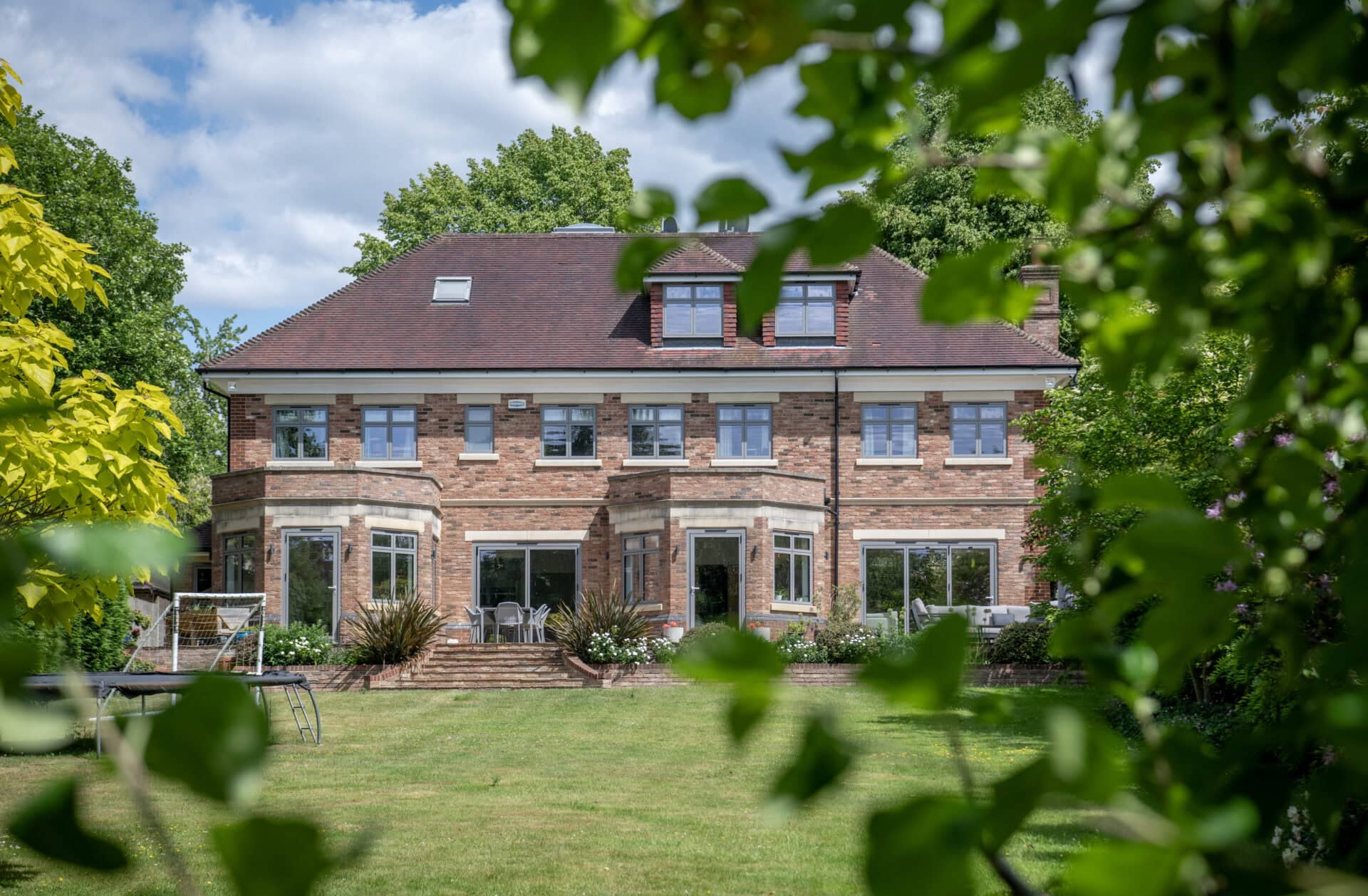
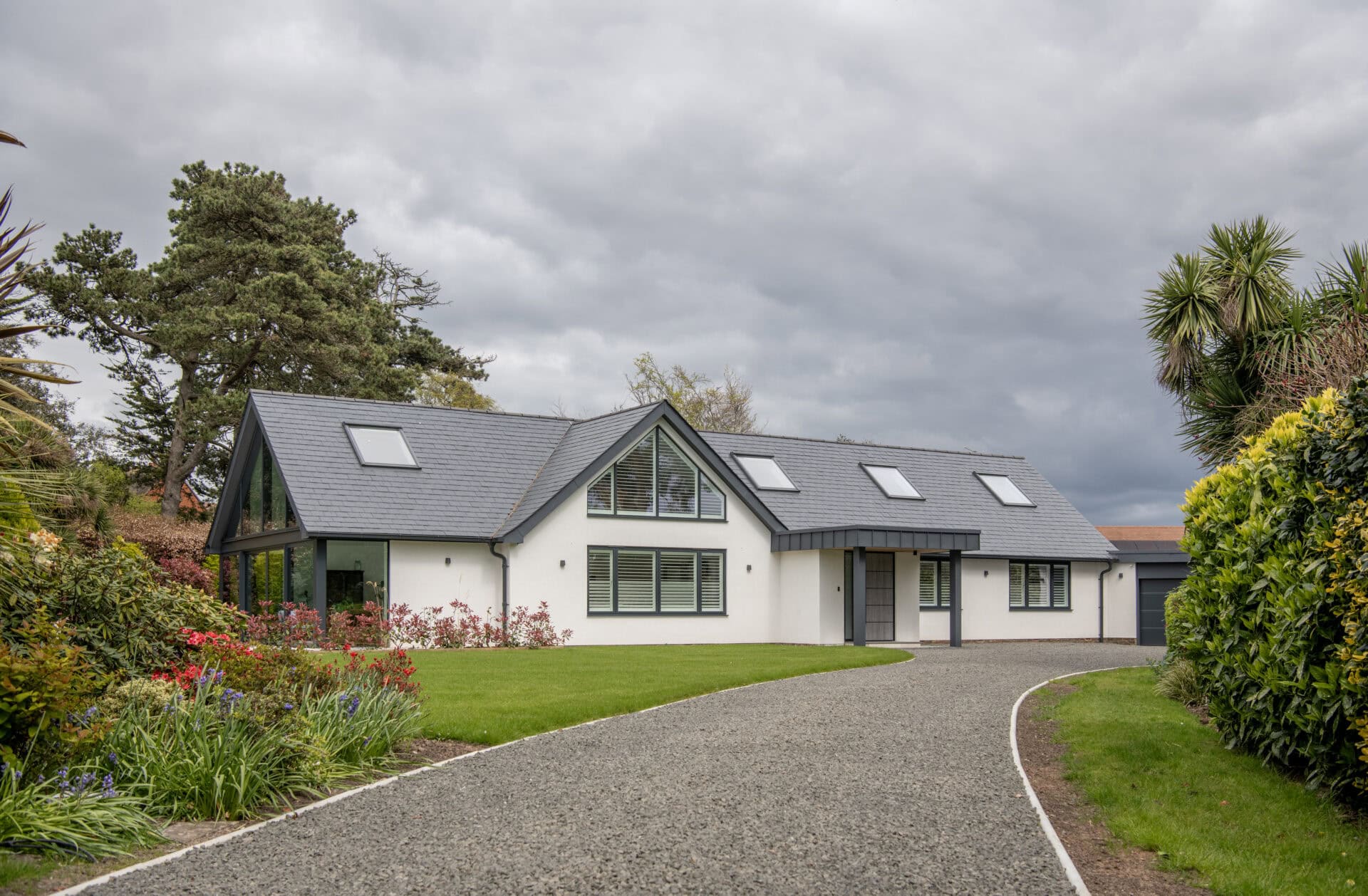
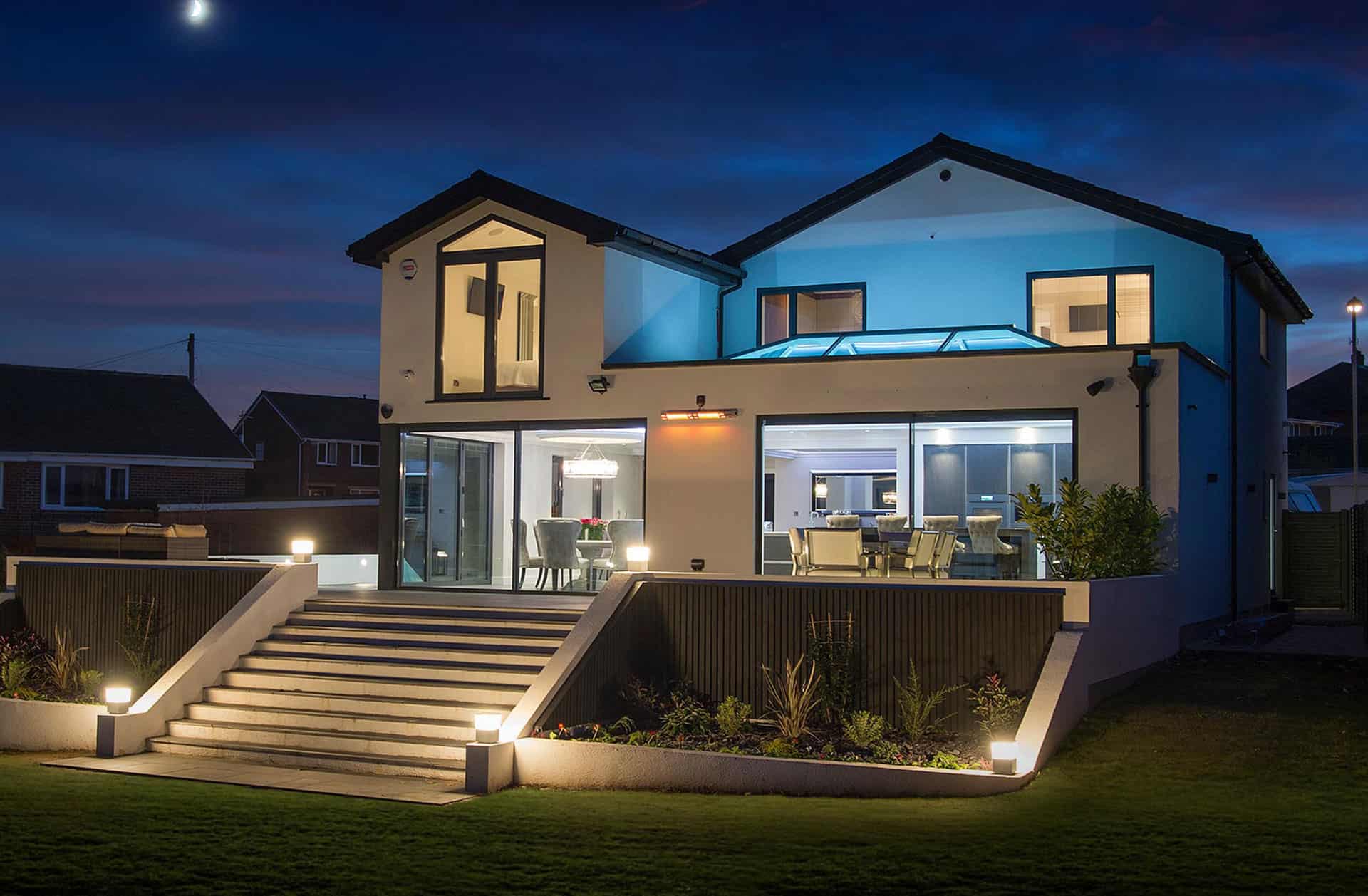
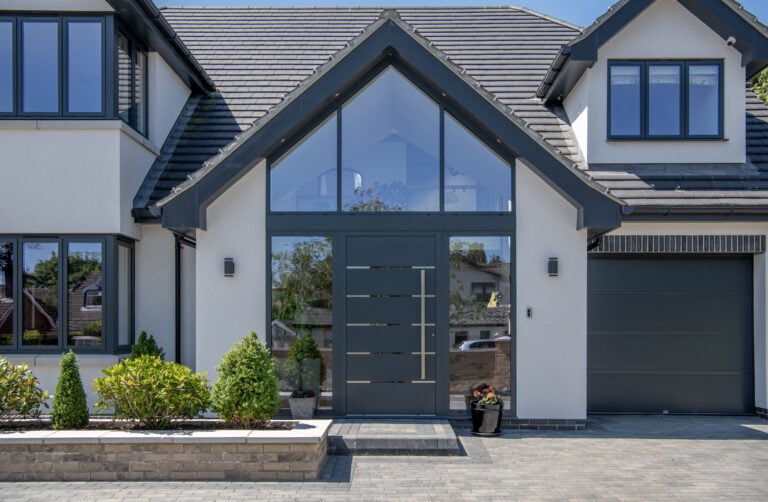
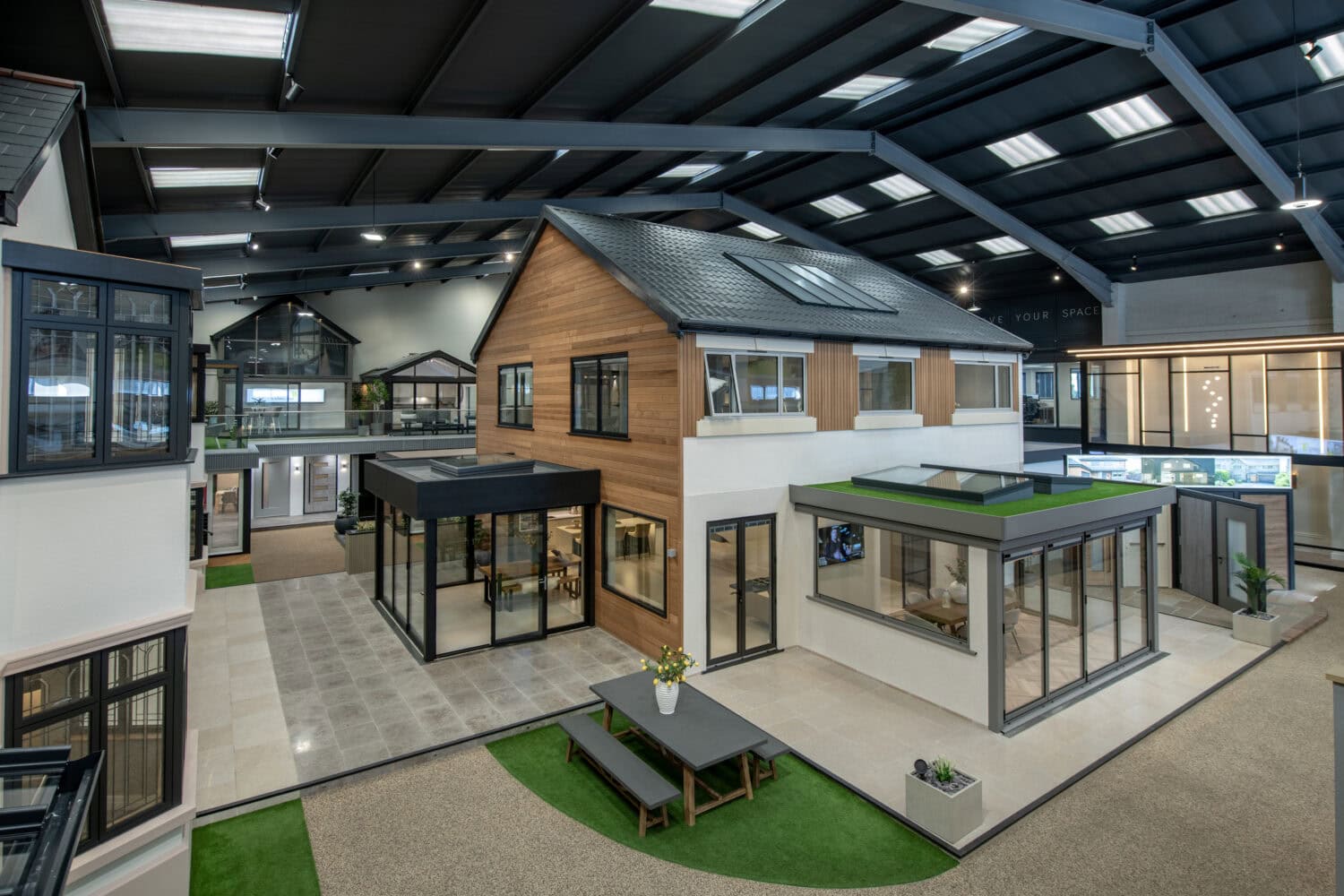
Since 2007 we’ve contributed to some of the most wonderful homes in the UK. Take a look through our online case studies to see various examples of how our aluminium windows have been installed to create some truly stunning spaces. We have also handpicked some projects below to hopefully give you some ideas and home inspiration.