TRANSFORMING HOMES SINCE 2007
MADE IN BRITAIN
NATIONWIDE SUPPLY & INSTALL SERVICE
Overview
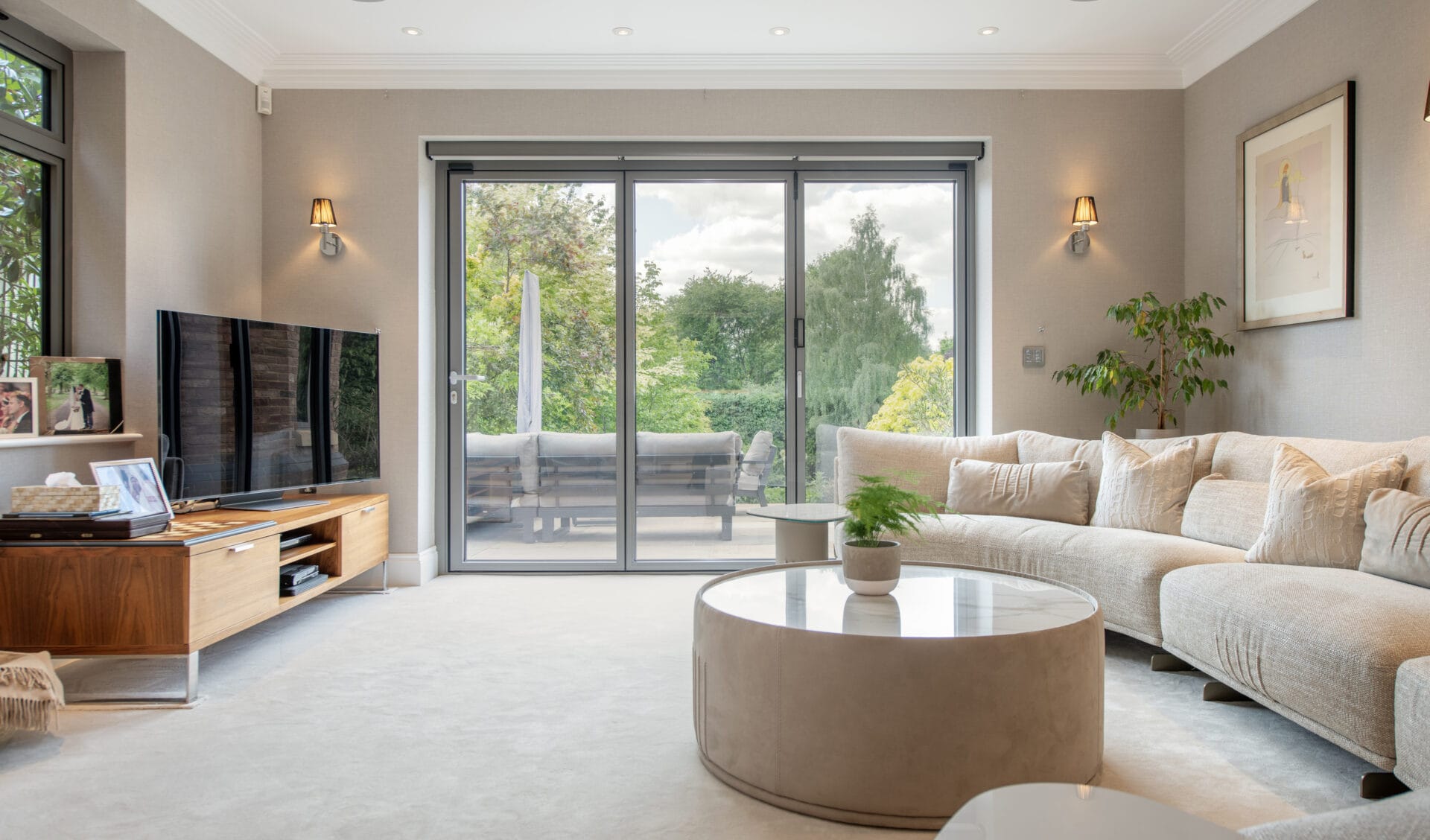
Understanding how to declutter your home starts with working room by room, removing what you no longer use and organising what remains. This makes your house easier to manage, improves flow, and helps maximise natural light. In open plan spaces with features like bifold or sliding doors, clear surfaces make a noticeable difference. Simple habits, such as regular reviews and putting items back after use, help keep your home organised and easy to maintain long term.
Learning how to declutter your home begins with a simple shift. Keep what adds value to your daily life and remove what no longer serves a purpose. It’s not about stripping everything back, but about making your home easier to use and enjoy.
Clear surfaces, improved natural light, and a more considered layout can transform how a space feels. This is especially noticeable in open plan homes with striking expansive glazing, where clutter can quickly affect the overall look and flow.
At Express Bi-Folding Doors, we often see that when homeowners focus on decluttering their homes, their space feels more open, balanced, and far easier to maintain.
Why does decluttering your home make such a difference?
It comes down to how a space feels and functions day to day. With less clutter, rooms are easier to use, cleaner to maintain and more comfortable to live in. Research from Good Housekeeping reflects this. In its 2025 survey, 70% of readers felt satisfied after decluttering, 54% felt relieved, and 38% found it rewarding, highlighting the impact a clear space can have.
Clutter competes for attention. It blocks surfaces, interrupts light and makes rooms harder to use. Once you remove the excess, everything else becomes easier. Cleaning takes less time, movement flows better, and the space feels more settled.
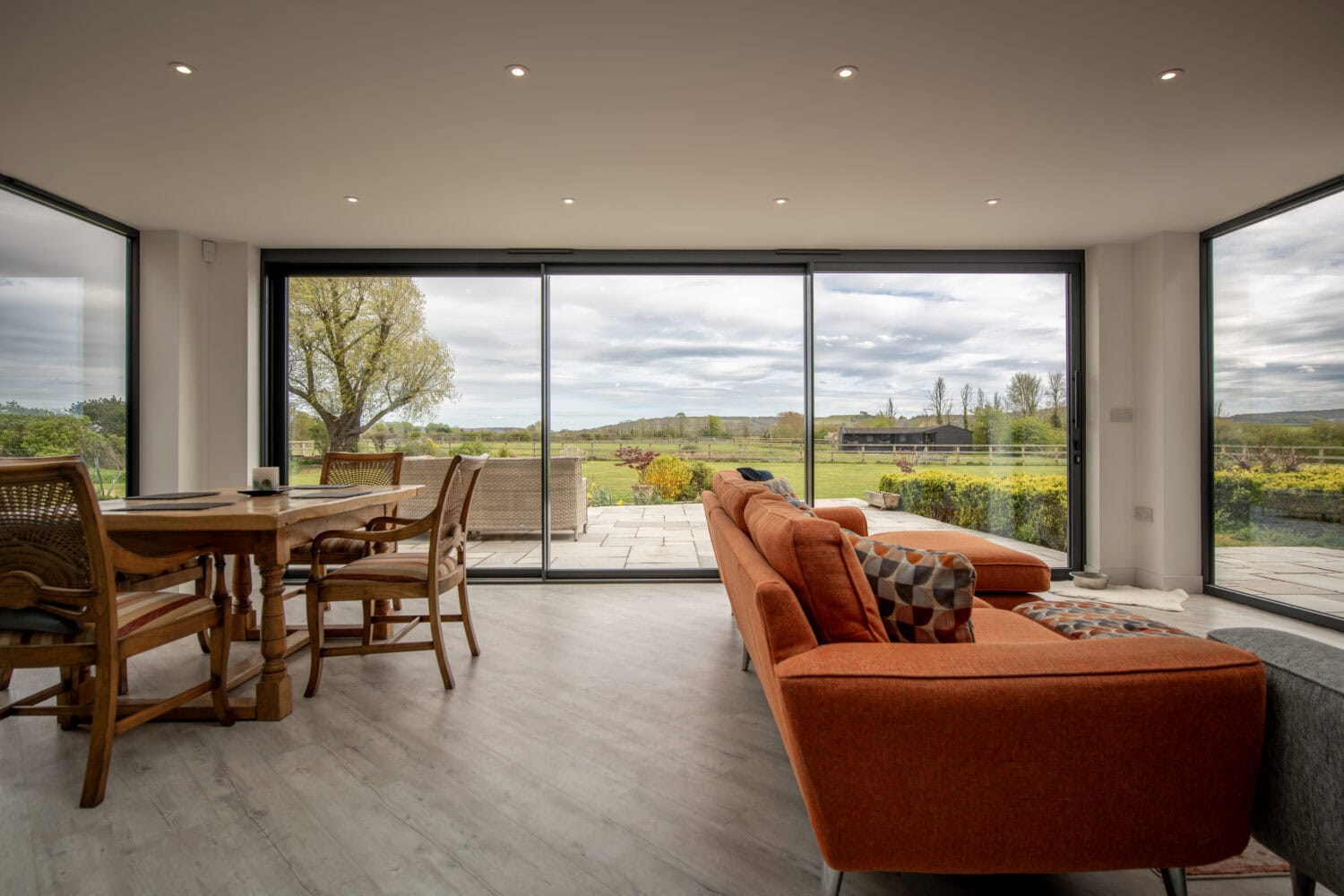
This is especially noticeable in homes with feature glazing such as aluminium windows or frameless sliding doors. With clear surroundings, natural light can reach further into the room, helping the space feel brighter, more open, and easier to keep organised without any structural changes.
How to declutter your home without feeling overwhelmed?
Start smaller than you think. Trying to tackle an entire house in one go rarely works. A better approach is to pick one area and finish it fully before moving on.
You could begin with:
- One kitchen drawer
- A single wardrobe rail
- A shelf in the living room
Set a short time limit and stick to it. Even 20 minutes is enough to make progress, as once you see a difference, it becomes easier to continue.
If you’re exploring how to begin decluttering your home, this simple approach removes the pressure and builds momentum.
How to declutter a house room by room?
Breaking it down makes everything more manageable and keeps you focused.
Living room
Clear surfaces first. Coffee tables, shelves, and media units often collect items that belong elsewhere.
Ask:
- Do I actually use this here?
- Does it add anything to the space?
A more open layout helps highlight features like frameless sliding doors and allows the room to feel lighter.

Kitchen
The kitchen is one of the busiest areas and often the most cluttered.
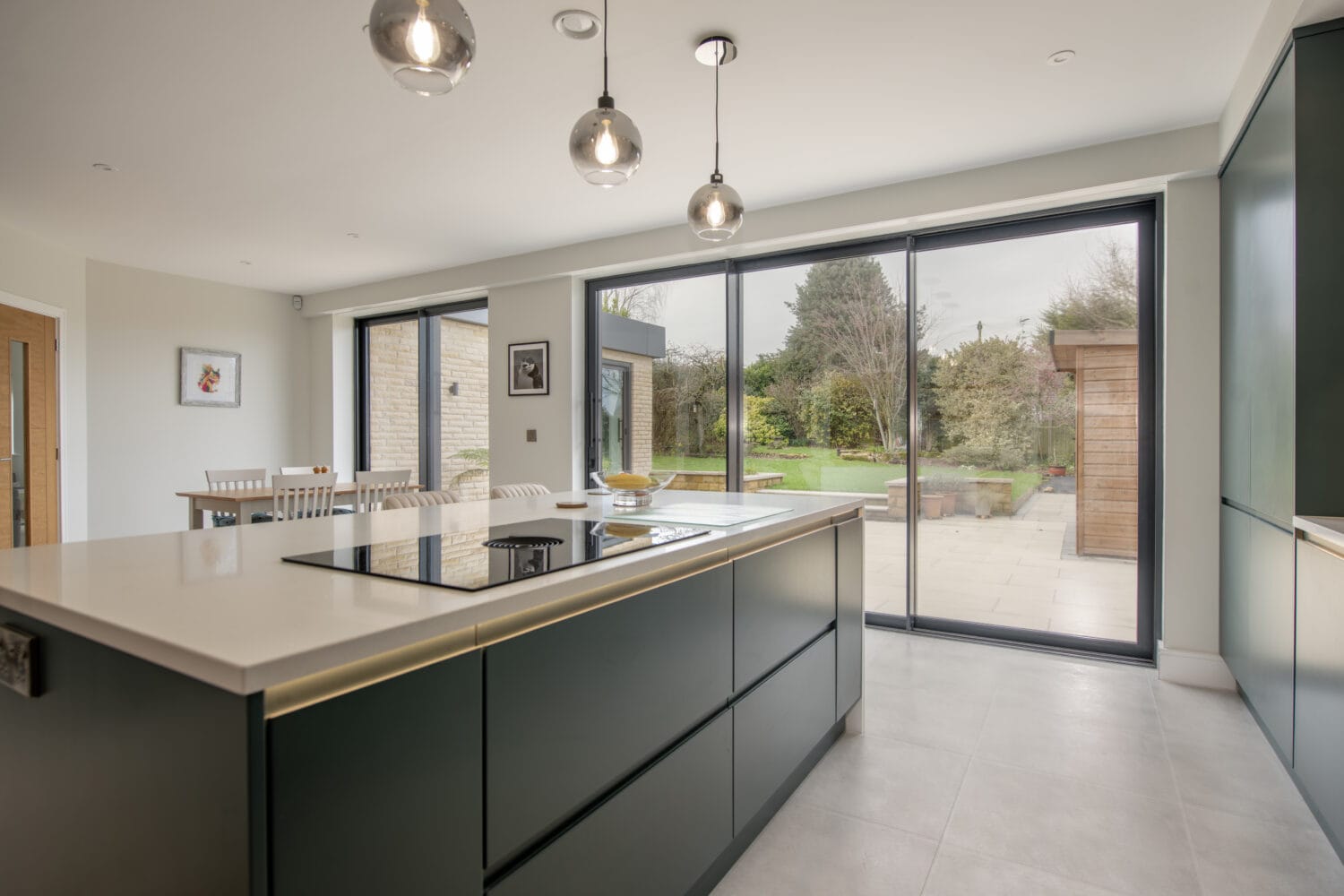
Start with worktops, keeping only what you use daily and storing the rest. Inside cupboards, group items by use so everything has a clear place.
In homes with kitchen sliding doors, a tidy kitchen strengthens the link to the outside and makes the whole area feel more connected.
Bedroom
Focus on what you wear and use.
Go through clothing and be honest about what still fits your routine. Keep bedside areas simple so the space feels calm and relaxing at the end of the day.


Hallway
This is often the first space you and your guests see when entering the home.
Organise shoes, coats, and bags so they’re easy to access but not scattered. A clear entrance works well with striking aluminium front doors and sets the tone for the rest of the home.
How do you decide what to keep?
This is often the hardest part of decluttering and where progress can slow down. Speaking to Good Housekeeping, professional organiser, Jo Jacobs said, “match what you own, to the life you’re actually living, not the one you hope to live one day.”
A simple way to think about it is:
- Have I used this in the last year?
- Does it serve a clear purpose?
- Would I choose to keep it again today?
If you’re hesitating, that often tells you what you need to know.
Think of it less as getting rid of things and more as making space for what you actually use and enjoy. Once you get into that mindset, decisions become quicker and far less stressful.
Over time, this naturally leads to a cleaner, more considered space where everything has a reason to be there. It’s often linked to minimalist design, but it doesn’t mean living with less for the sake of it. It simply means keeping what works and letting the rest go.

How does decluttering support open plan living ideas?
Modern open plan living works best when there is a sense of balance. With fewer walls, everything is on show, so clutter can spread quickly and make the whole space feel harder to manage.
Keeping things organised helps each area do its job without feeling crowded. It also makes the space easier to move through and more enjoyable to spend time in.
It helps to think in clear zones:
- Cooking zone
- Dining area
- Relaxed seating space
Each zone has its own purpose, even though everything connects.
Features like bifold doors and sliding doors play a big role here. While they link indoor and outdoor areas and open up the layout, they also highlight what is in the room. When surfaces are clear and items are in the right place, those transitions feel smooth and natural rather than busy or overwhelming.
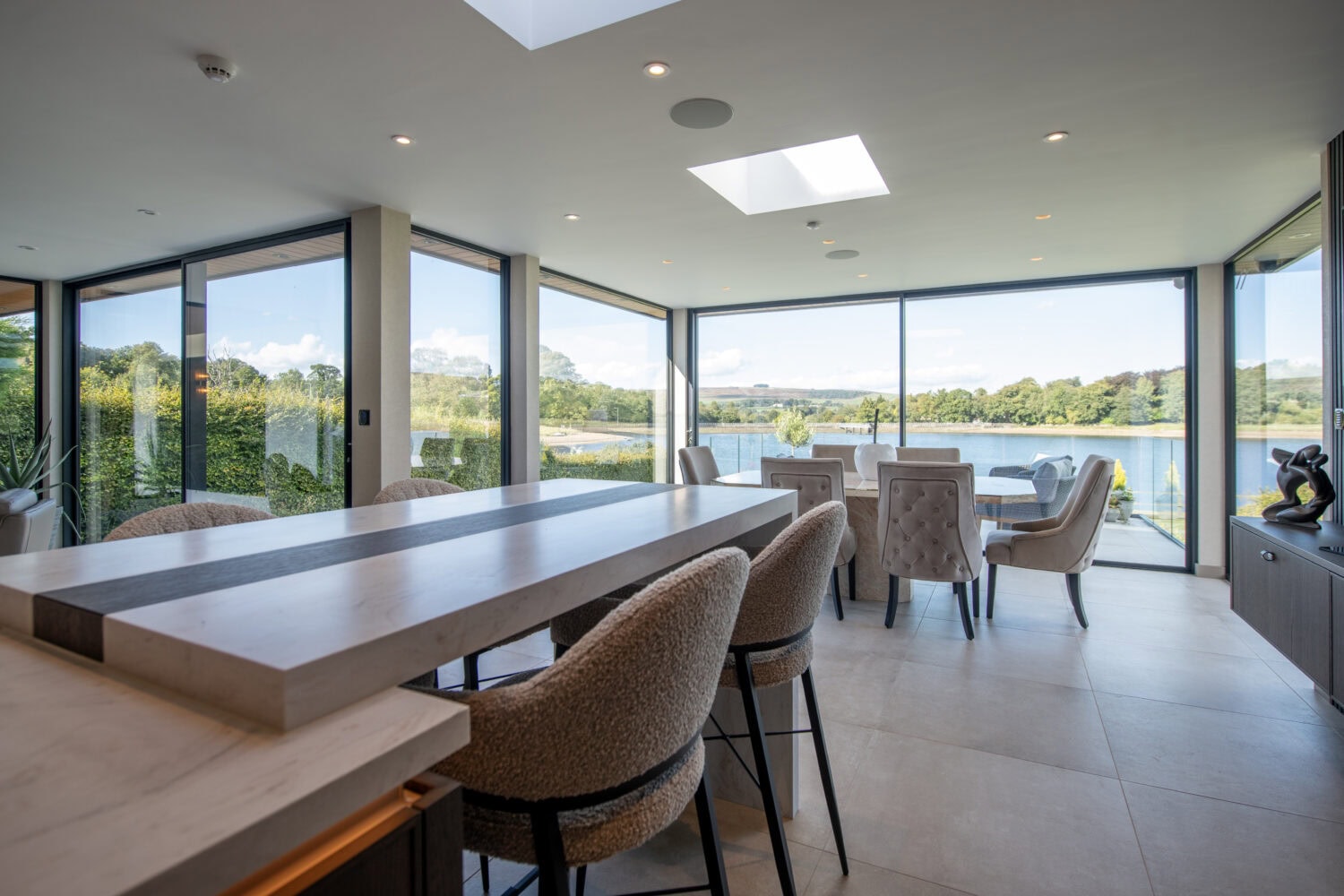
Can doors and windows really influence how organised a home feels?
Doors and windows do more than let light in. They shape how a space feels and how you use it. Expertly crafted aluminium windows and doors with slim frames can open up full walls, which instantly makes a space feel less crowded and easier to move around.
There is a natural knock-on effect too. When a room feels open and bright, you are less likely to fill it with unnecessary items. You start to keep surfaces clearer and layouts simpler without really thinking about it.
In that sense, expansive glazing does some of the hard work for you. It encourages a more organised space and makes it easier to maintain over time.
Expert insight from Express Bi-Folding Doors
“We often see that when people take time to declutter, they begin to notice how much layout and natural light influence the result,” says Steve Bromberg, Managing Director at Express Bi-Folding Doors. “Features like bifold doors and sliding doors remove physical and visual barriers, which helps rooms feel clearer and easier to keep organised over time.
On a recent project, the plans included structural changes to open up internal walls, install new bifold doors leading to the garden and introduce a glass roof. This 7m by 2.5m extension down the side of the house allowed natural light to reach deeper into the space and supported a simpler, more organised layout that is easier to maintain day to day.”

How to declutter your home and keep it that way?
The key is consistency, not perfection.
A few simple habits make a significant difference:
- Put items back after use
- Avoid buying things without a clear place
- Review belongings every few months
Homes built around modern open plan living make this even more important. With everything more visible, a quick daily reset helps keep the whole space feeling calm, organised, and easy to enjoy without needing constant large clear outs.
FAQs
How do you begin decluttering your home?
Start small and keep it visible. Focus on one drawer, shelf, or surface at a time. This makes how to declutter your home feel manageable and helps build momentum quickly.
What is the fastest way to declutter a house?
Work in short, focused bursts and make quick decisions. Use a simple rule such as keeping only what you use regularly or need. Avoid overthinking, as this slows the process down.
How long does it take to declutter a home?
It depends on the size of the space and how much you own. Most people see better results by working room by room over several days or weeks rather than doing everything at once.
How do you decide what to keep when decluttering?
Focus on items that serve a clear purpose or are used often. If something has not been used in the past year or no longer fits your routine, it may be time to let it go.
What should you avoid when decluttering your home?
Avoid trying to do everything in one go or keeping items out of guilt. Both can slow progress. Keeping the process simple and focused leads to better long-term results.
How do you stop clutter coming back?
Stick to simple habits. Put items back after use, avoid bringing in unnecessary purchases and review your belongings regularly. This keeps your home organised without repeated large clear outs.
Do bifold doors and sliding doors help with keeping a home organised?
Yes. Bifold doors and sliding doors open up walls and improve natural light, which encourages a simpler layout and makes spaces easier to maintain day to day.
Does decluttering increase property appeal?
A well-organised home is easier to view and understand. Clear spaces highlight features such as aluminium windows, front doors, and open layouts, which can make a property more attractive to buyers.

Understanding how to declutter your home comes down to consistency and clear decisions. Taking a room-by-room approach and sticking to simple habits helps keep your home organised without it becoming overwhelming.
In open plan layouts, where everything is on display, this makes a noticeable difference. When paired with features like bifold doors, sliding doors and aluminium windows, a well-ordered space feels brighter, more open, and easier to live in day to day.
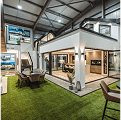
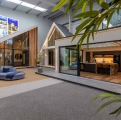
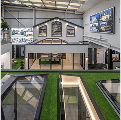
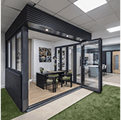
If you’re planning to improve your home further, visiting an Express Bi-Folding Doors showroom is a practical next step. With full-size displays, working bifold and sliding doors, and open plan setups, you can see how layout, light and design come together, helping you make confident decisions for a more organised, well-balanced space.