TRANSFORMING HOMES SINCE 2007
MADE IN BRITAIN
NATIONWIDE SUPPLY & INSTALL SERVICE
Energy Efficient Front Doors, Built for the Coldest Months
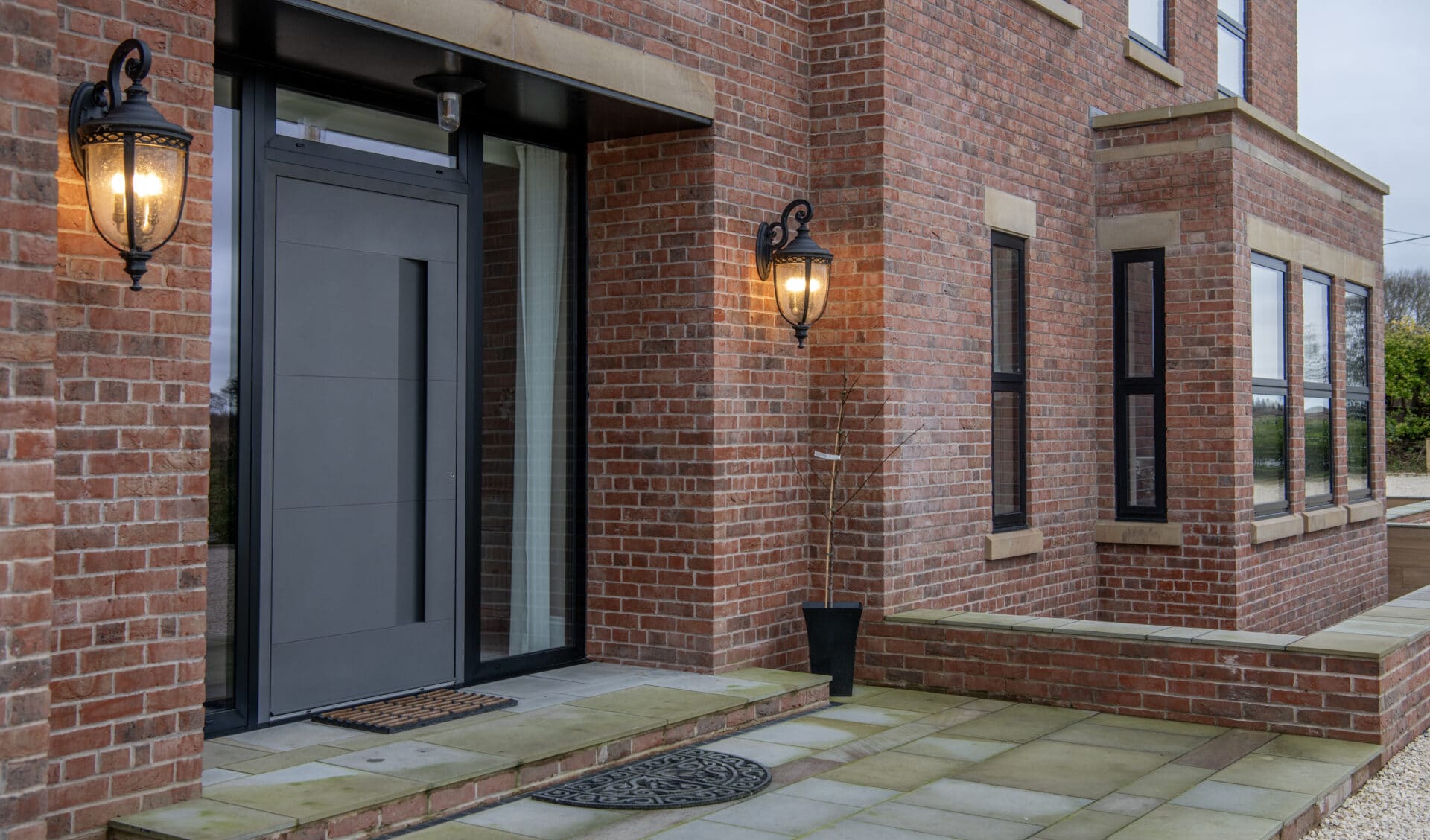
At Express Bi-Folding Doors we design and manufacture energy efficient front doors that keep hallways warm and draught-free long after the first winter has passed, not just on the day they’re fitted. As temperatures drop, we hear the same question from homeowners planning a new entrance: how do you tell a genuinely efficient door from one that simply looks the part in a showroom.
This guide walks through the features that actually affect thermal performance, from frame construction to glazing and seals, so you know what to check before you order.
Overview
Why Energy Efficient Front Doors Matter This Winter
Energy efficient front doors keep heat inside the hallway, resist draughts at the edges and reduce the condensation that collects on a cold frame. Whether a door delivers on that comes down to three things working together: a well designed aluminium frame, the glazing specification where the door includes glass panels, and the seals that close the gap between the door and the frame.
Below we go through each of those in turn, along with the design choices, such as glazed panels or a pivot opening, that homeowners most often ask us about. You can see the construction for yourself at our showrooms in Weybridge, Milton Keynes, Leeds, Glasgow, Bournemouth and Dublin.
1) How much heat does your front door actually lose?
A front door is a relatively small part of a home’s total surface area, but it’s used constantly, which means any gap around the frame or weak point in the panel gets tested every single day. An older timber or composite door that has dropped slightly on its hinges, or an aluminium door built without a thermal break, lets warm air escape at the edges even when it looks fully closed. Over a winter, that steady draught adds up far more than most homeowners expect.
The fix isn’t a thicker door for its own sake, it’s a door built so the frame, glazing and seals all perform together.
2) Thermally broken aluminium frames explained
Aluminium conducts heat readily, so a frame built straight through in one piece of metal would carry warmth from the inside face to the outside and out of the house. A thermal break interrupts that path with a strip of low-conductivity material, usually polyamide, fitted between the inner and outer sections of the frame. It keeps the inner face of the door closer to room temperature, which cuts heat loss and reduces the chance of condensation forming on cold mornings. We go into more detail on this in our guide to what thermally broken aluminium windows and doors are.
Every front door we supply, including Smart Signature Doors and our Premium Range, is built on a thermally broken aluminium frame as standard, not as an upgrade.
3) Glazing: solid panels versus glazed designs
Many front doors include at least one glazed panel or a sidelight, and that glass needs to perform as well as the frame around it. Double glazed sealed units are standard, with the gap between panes filled with an insulating gas, and the specification of the unit matters more than how large the glazed area looks from the street.
4) Weatherseals and multi-point locking
A good frame and good glazing can still be let down by poor seals. Compression seals that run continuously around the door, combined with multi-point locking that draws the whole door tight into its frame rather than latching at a single point, keep draughts out at the edges and improve security at the same time.

Solid panel designs
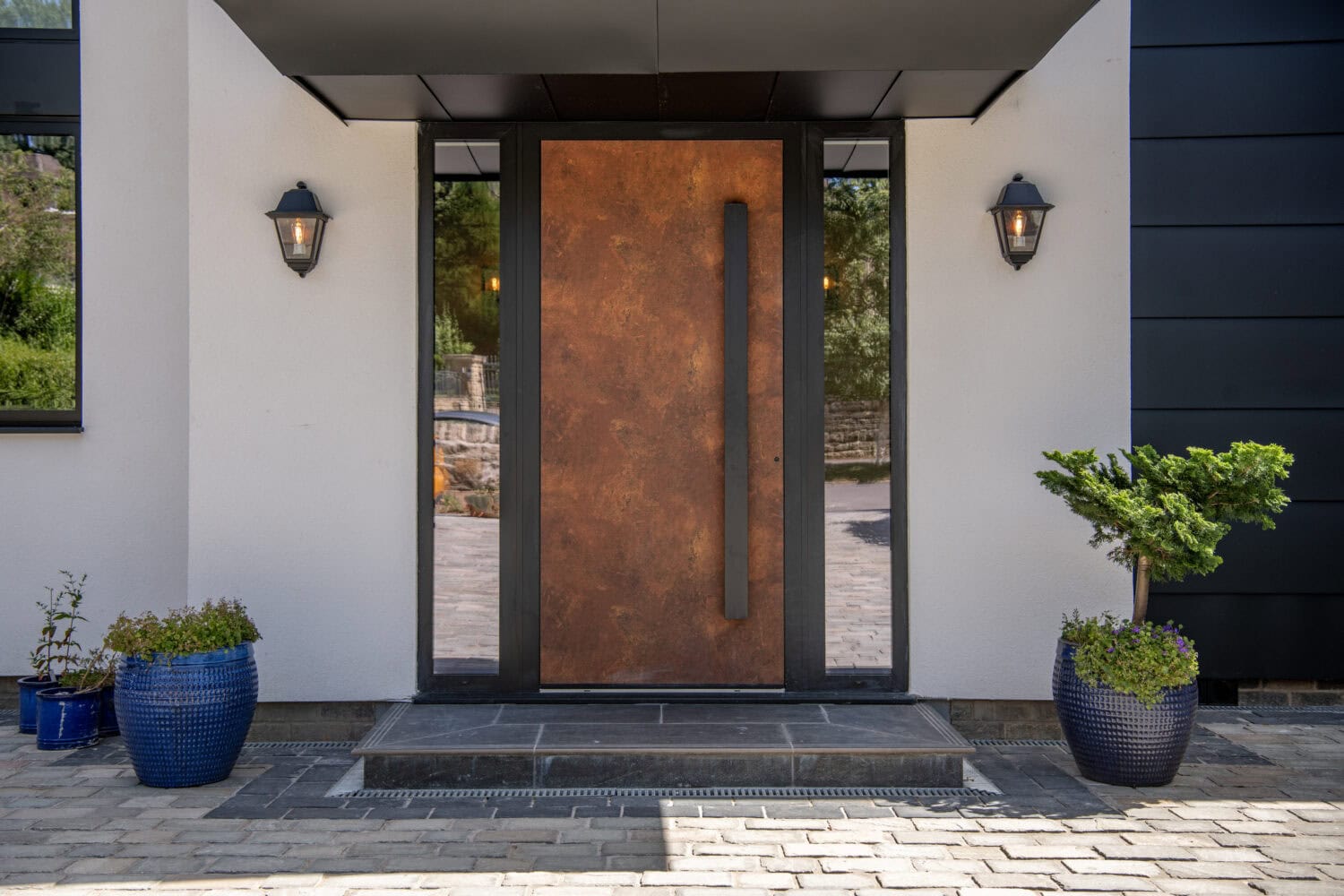
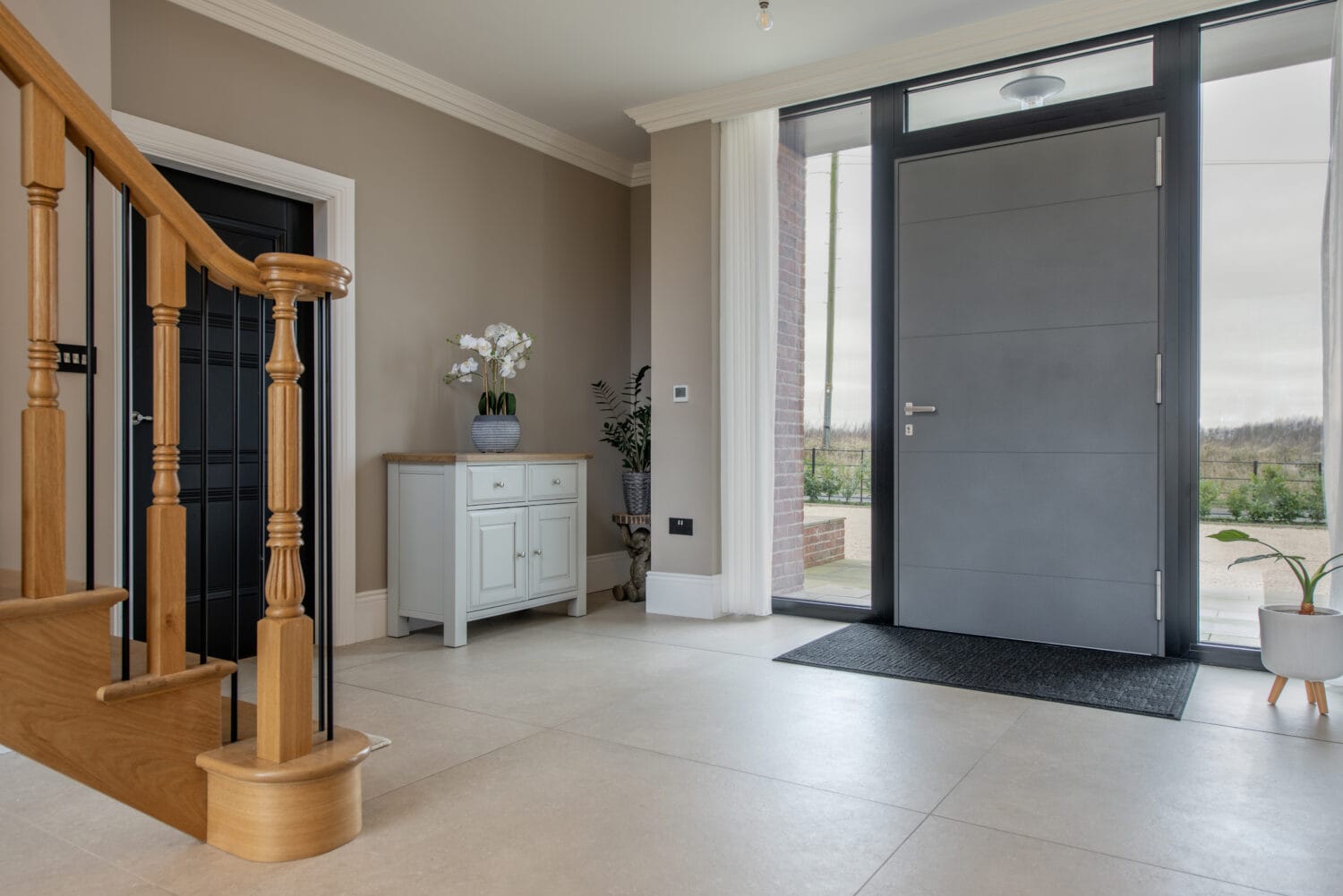
A largely solid front door with a small glazed detail gives up little in thermal performance, since there’s less glazed area for heat to move through. It suits homes that want a classic, private entrance.
Glazed designs
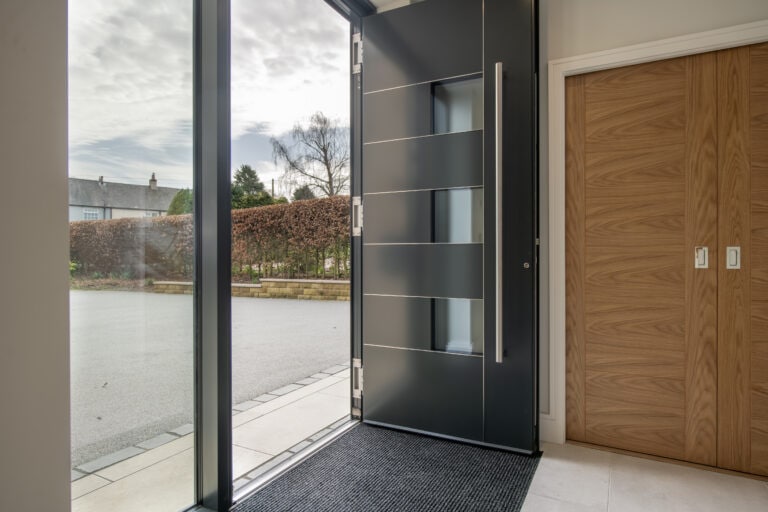
A front door with a larger glazed panel or a full-height sidelight brings more natural light into the hallway. With a quality double glazed unit built into a thermally broken frame, the extra glass doesn’t need to come at the cost of warmth.
5) Security and efficiency go hand in hand
The same multi-point locking and tight compression seals that keep a front door efficient also make it harder to force open. A door that closes evenly against its seals all the way round doesn’t have a weak corner where a tool can get purchase, which is one reason we don’t treat security and thermal performance as separate conversations when customers come to us for a new entrance door.
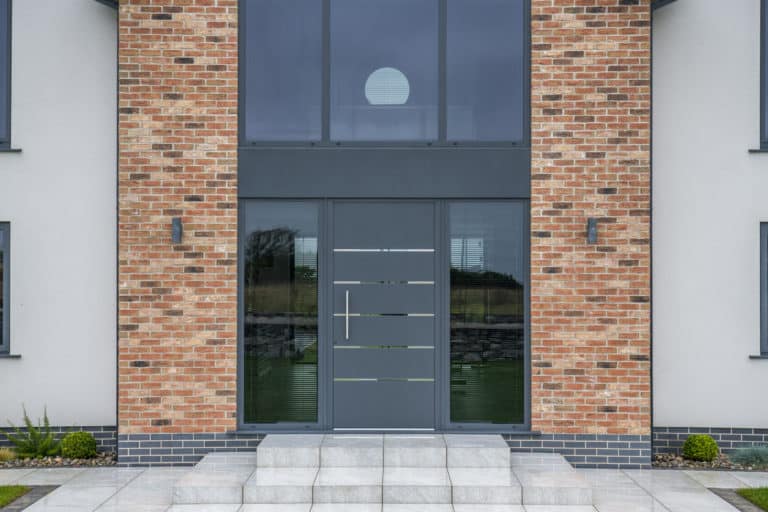
6) Matching your front door to energy efficient windows
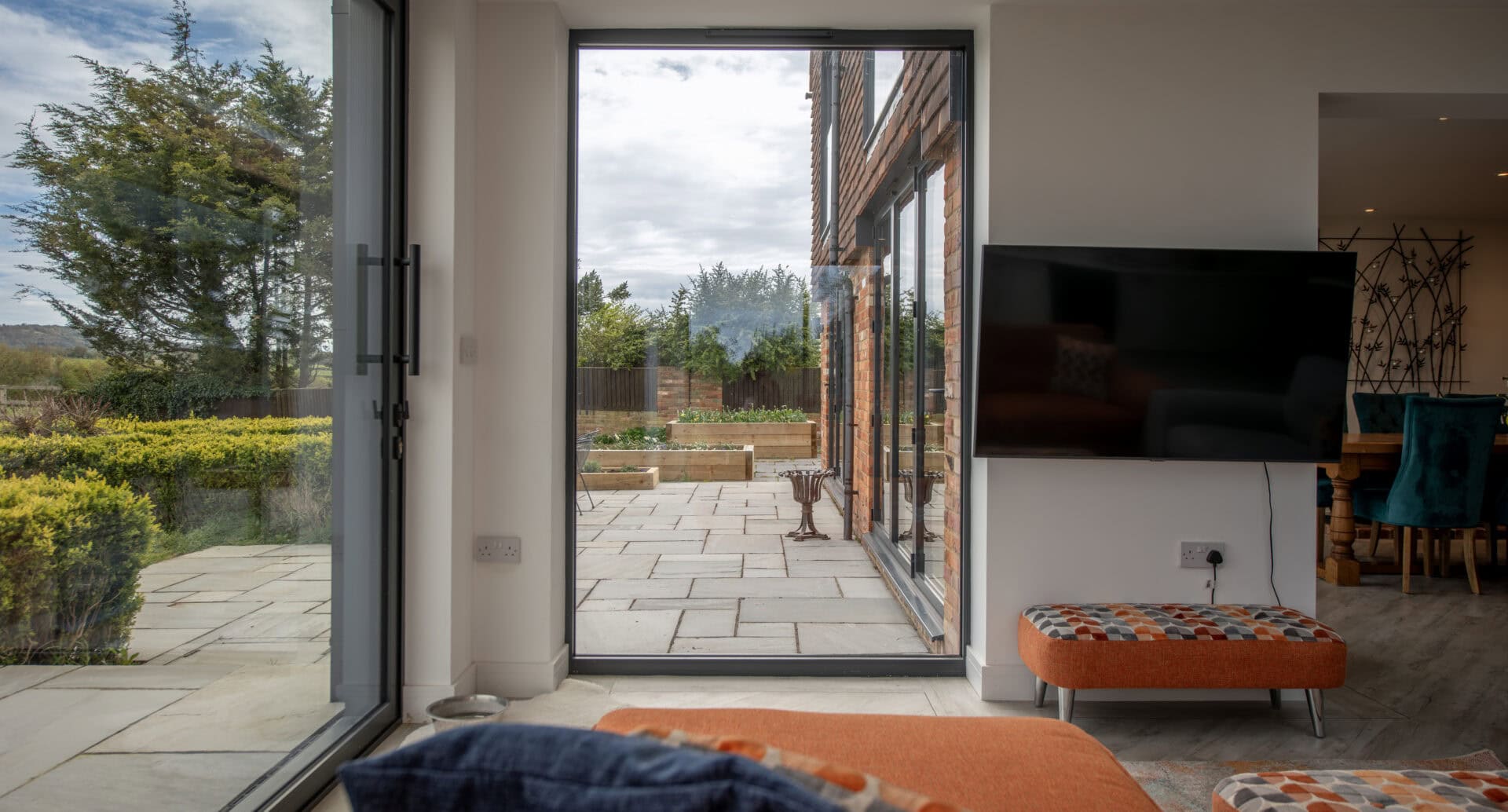
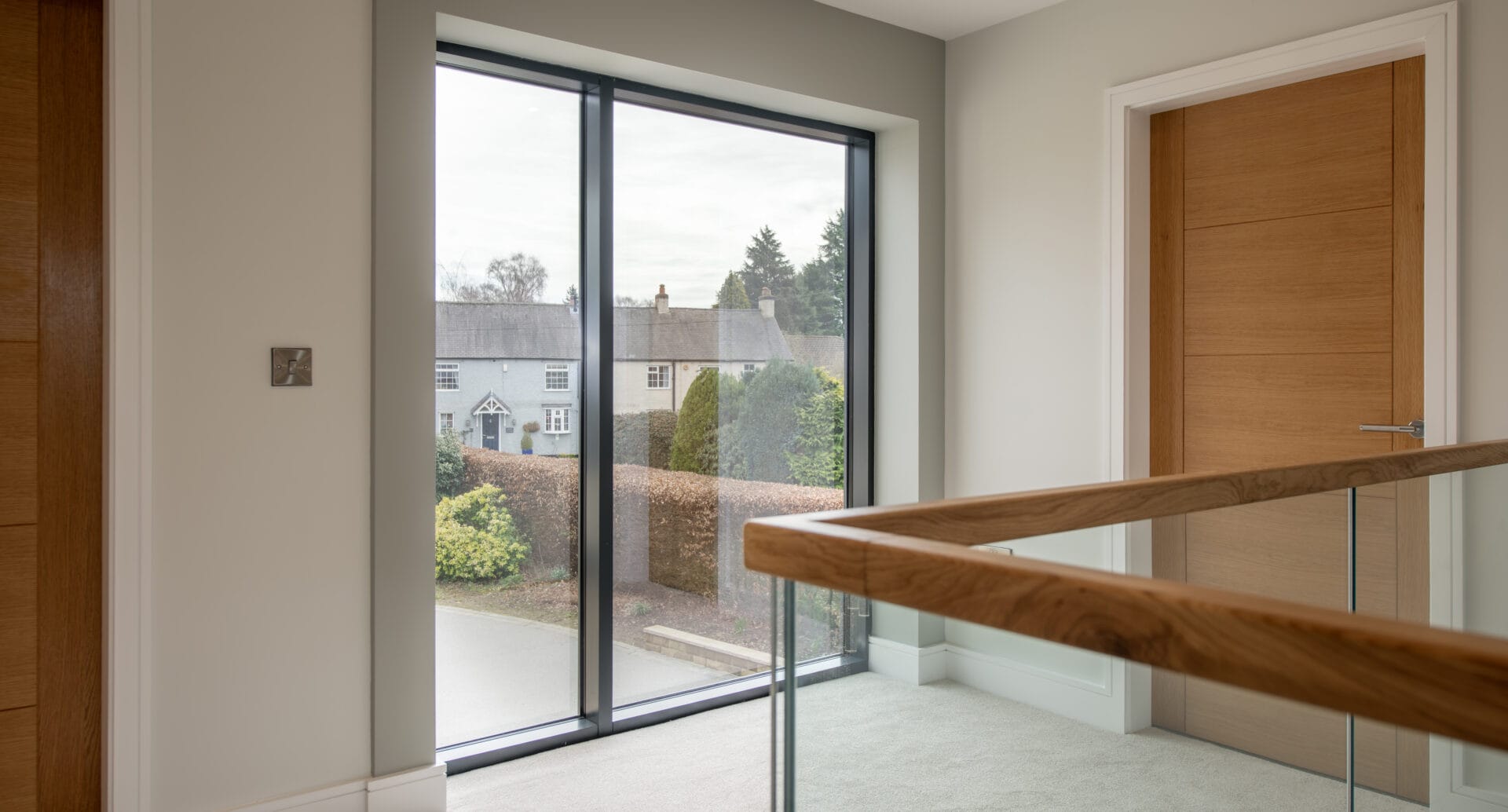
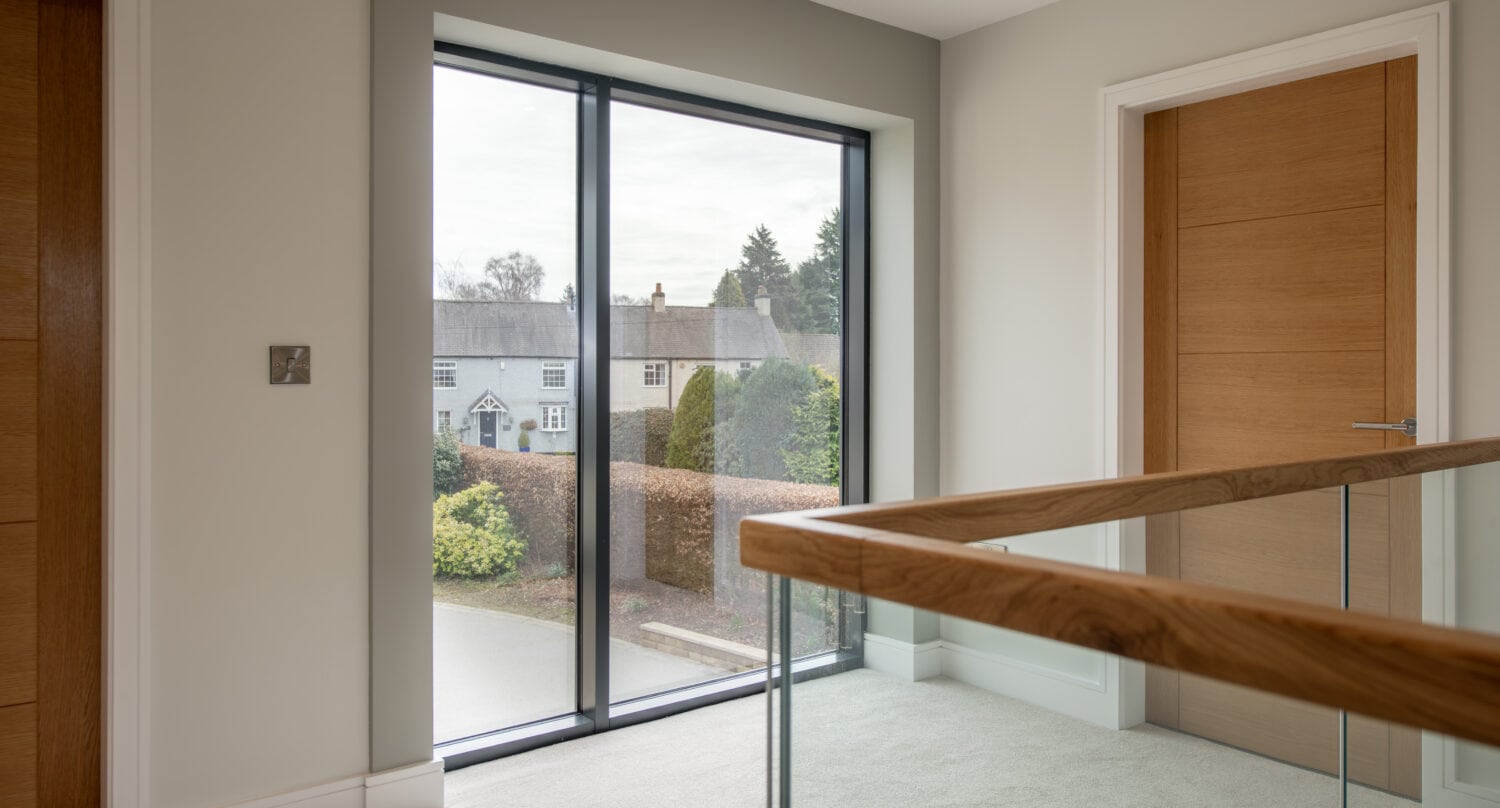
A new front door performs best as part of a consistent approach across the whole entrance. If the windows either side of your door are older single glazed units, or budget aluminium without a thermal break, they’ll remain the weaker point even after the door itself is upgraded. Our aluminium windows, including Picture Windows, share the same thermally broken construction as our front doors, so the whole entrance performs to the same standard. If draughty windows are part of the problem, our guide on how to reduce heat loss through windows is worth reading alongside this one.
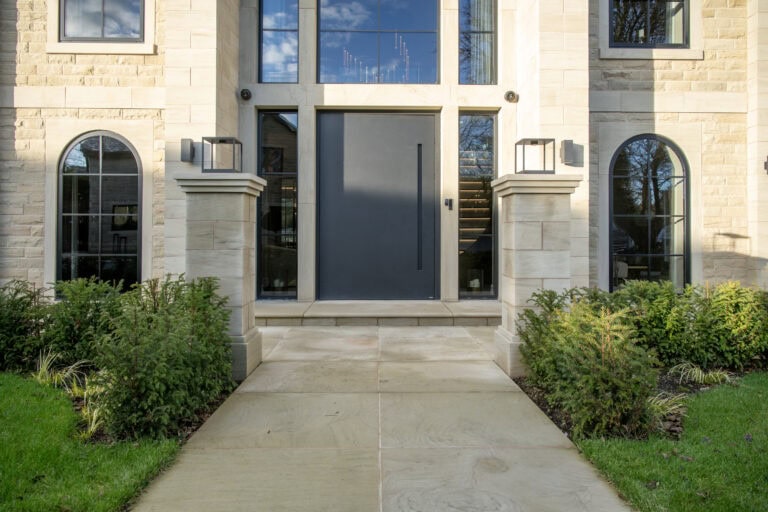
7) Pivot doors: a statement entrance that still performs
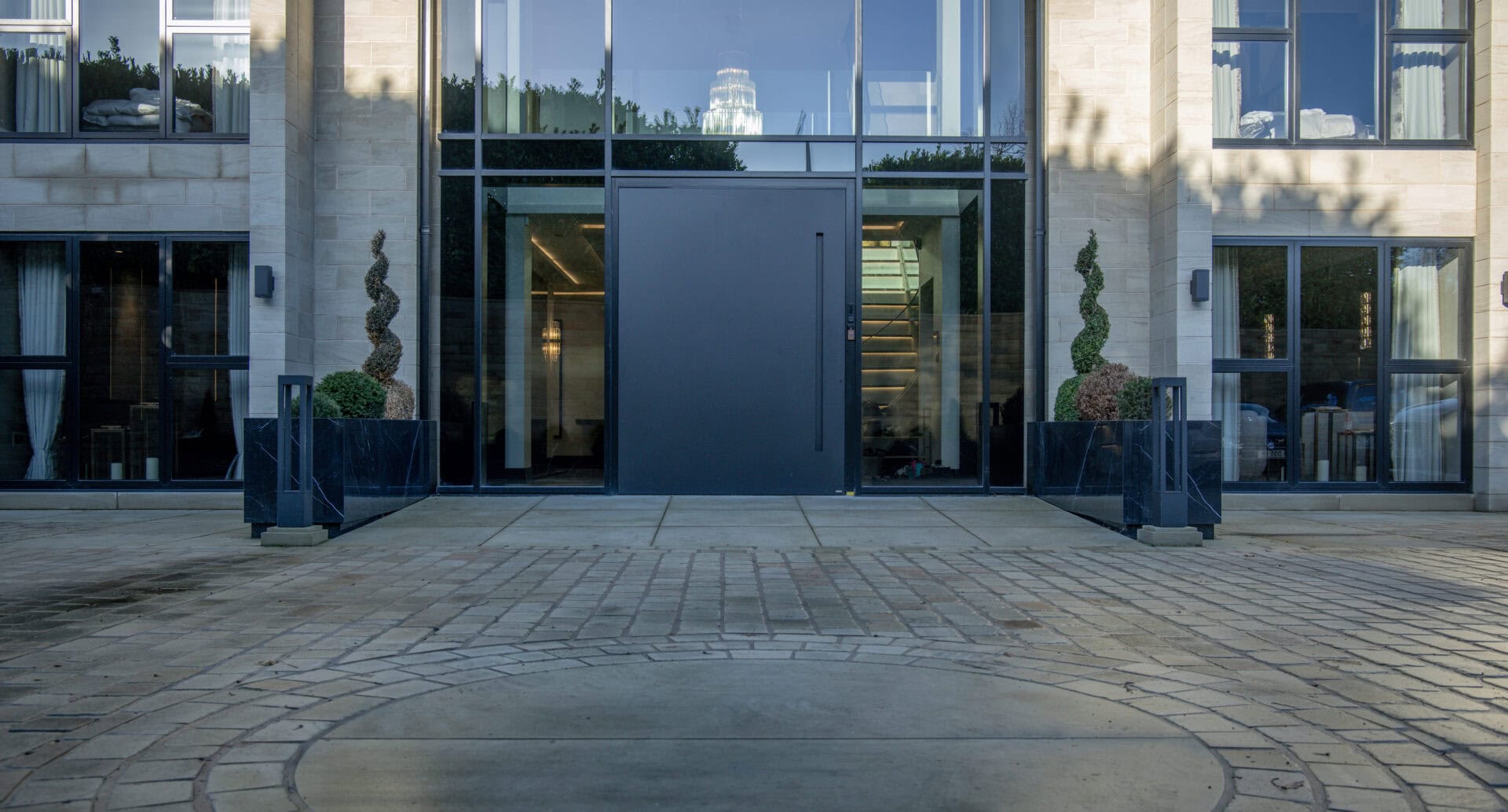
A pivot door opens on a hinge set away from the edge of the panel, usually close to its centre, which lets the design use a wider, heavier panel than a conventional hinged door while still operating smoothly. Our pivot doors are built on the same thermally broken aluminium frame as the rest of our front door range, so choosing a statement entrance doesn’t mean compromising on how well it keeps the hallway warm.
8) If you’re upgrading more than the front door
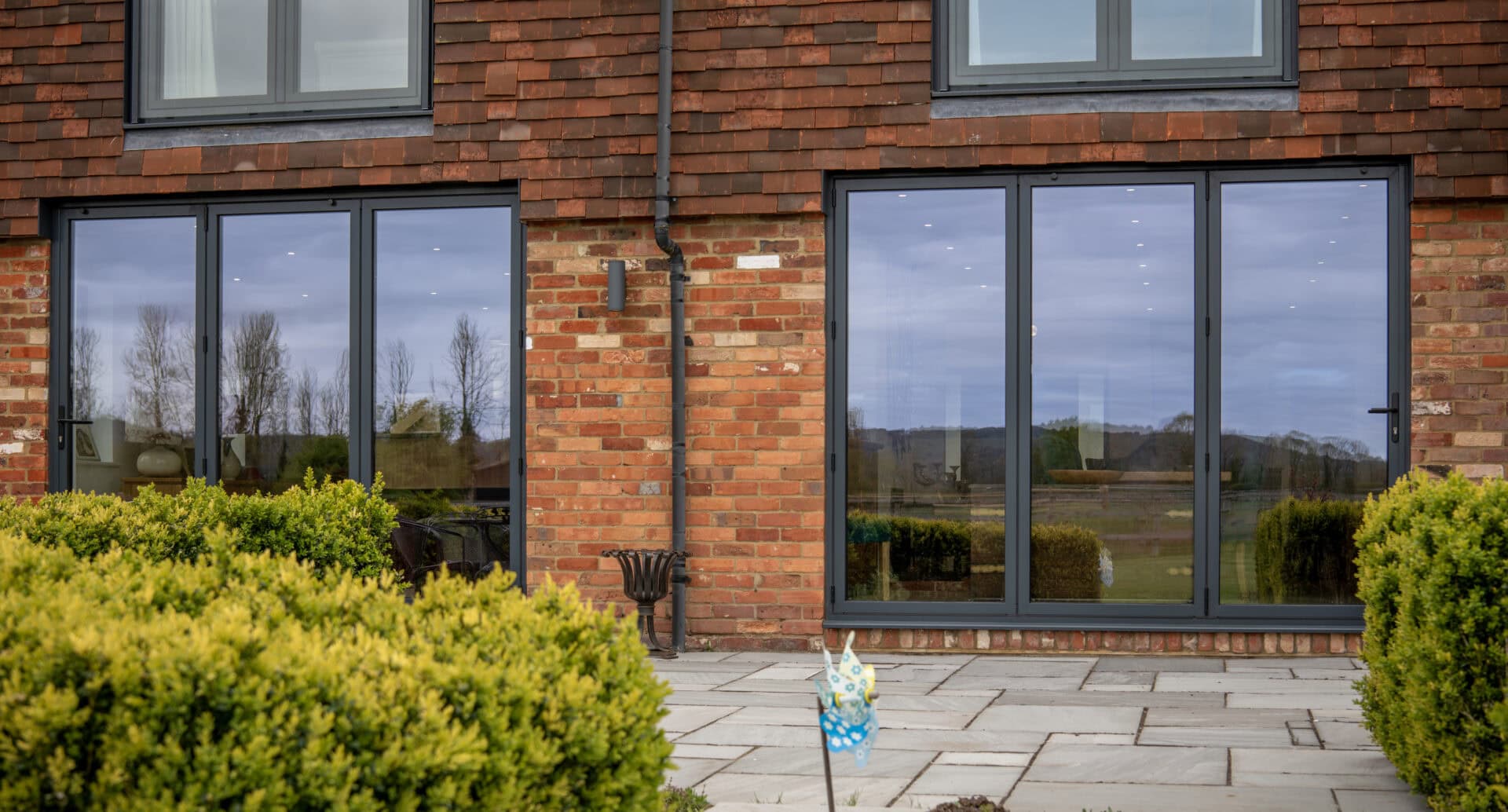
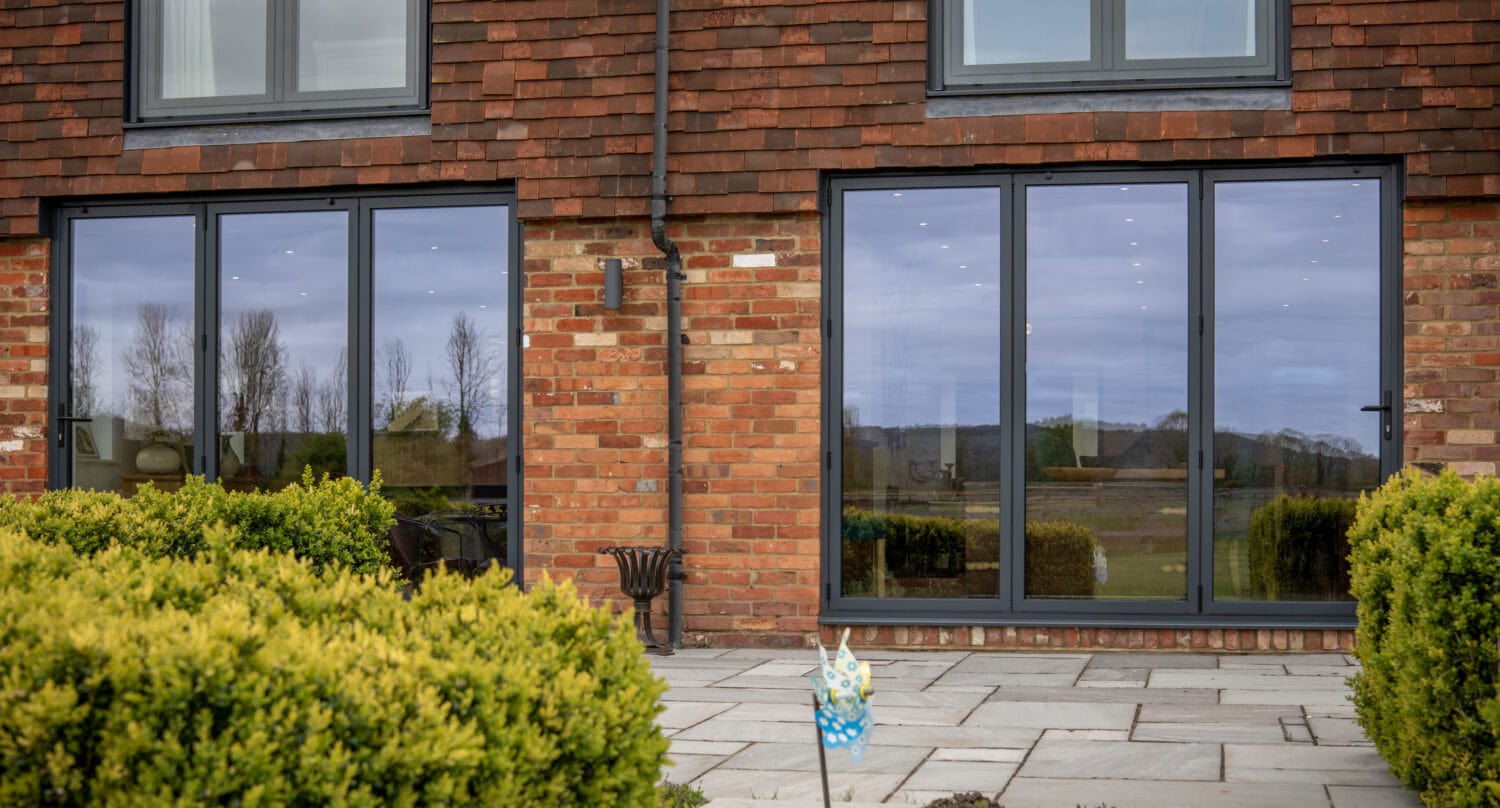
Many of the homeowners who come to us about a new front door are also looking at the rest of their glazing. The same thermally broken construction runs through our XP View bi-folding doors and our XP Glide sliding doors. We’ve covered what to look for in each of those elsewhere, in our guides to energy efficient bifold doors and energy efficient sliding doors.


Steve Bromberg, Managing Director shares:
“After more than twenty years fitting doors into British homes, I can tell you the chill people notice around an old front door is rarely about its finish, it’s about what’s happening inside the frame. A thermal break and a properly compressed seal do more for a warm hallway than any amount of glazing on show. We spend as much time talking about frame construction and seals as we do about colour and glass, because those choices decide whether a hallway still feels draught-free in five winters, not just the first one.”
What doesn’t actually improve efficiency
A few common assumptions are worth questioning before you order. A darker frame colour doesn’t affect thermal performance, that comes down to the frame’s construction and thermal break rather than its finish. Assuming any aluminium door will perform the same as any other is another one, since older bar-through profiles without a thermal break are still fitted today and can look similar to a modern system in a photograph.
A larger glazed panel on its own doesn’t make a door less efficient either, provided the glazing unit itself is specified well. The panel size matters less than what’s inside the sealed unit and how evenly the whole door compresses against its seals when it’s closed.
Understanding the specification
Beyond the headline thermal break and glazing specification, a few smaller details make a real difference to how a front door performs once it’s fitted. These are worth checking against any quote you’re comparing.
What is a U-value?
A U-value measures how much heat passes through a material. The lower the figure, the better the insulation. It's a useful way to compare the performance of different door specifications, though the figure depends on the exact panel size and configuration, so always ask for the U-value of the specific door you're being quoted.
Multi-point locking and compression seals
Locking that draws the whole door tight into its seals, rather than latching at one point, keeps compression even along the full height of the panel and reduces draughts at the edges.
Warm edge spacer bars
The spacer bar separating the panes of glass in a sealed unit can itself be a cold bridge if it's made from bare aluminium. A warm edge spacer, made from a lower-conductivity material, reduces heat loss at the edge of the glass and helps prevent condensation forming there.
Certification and testing
Ask whether the door system has been independently tested for thermal performance and weather resistance, rather than relying on manufacturer claims alone. A supplier should be able to show you test data for the specific system you're buying.
Energy Efficient Front Doors
What makes a front door more energy efficient than an older one?
The main difference is usually the thermal break, a strip of low-conductivity material separating the inner and outer faces of the frame. Older or budget doors built without one allow heat to bridge straight through the frame, so two doors that look similar in a photograph can perform very differently in practice.
Do glazed front doors lose more heat than solid ones?
Not necessarily. It depends on the specification of the glazing unit rather than the glass simply being there. A well specified double glazed panel in a thermally broken frame performs well; a poorly specified one is the weak point, whatever the panel size.
Are pivot doors as energy efficient as a standard hinged front door?
Yes, provided they’re built on the same thermally broken construction. Our pivot doors use the same frame and seal specification as the rest of our front door range.
Does this level of efficiency apply to your other products too?
Yes. The same thermally broken construction runs across our range, including our bi-folding doors and sliding doors, so you don’t need to compromise on performance wherever you’re opening up your home.
How long does it take to have a new front door fitted?
Aluminium front doors are made to order, so lead times vary depending on specification and demand. Ordering in good time gives you the best chance of having your new door fitted before the coldest part of the year, rather than during it.
See our energy efficient front doors in person
The best way to judge a front door’s thermal performance is to see the frame construction and feel the weight of the seals for yourself. Visit one of our showrooms to compare specifications, or request a brochure to look through the range at home.