TRANSFORMING HOMES SINCE 2007
MADE IN BRITAIN
NATIONWIDE SUPPLY & INSTALL SERVICE
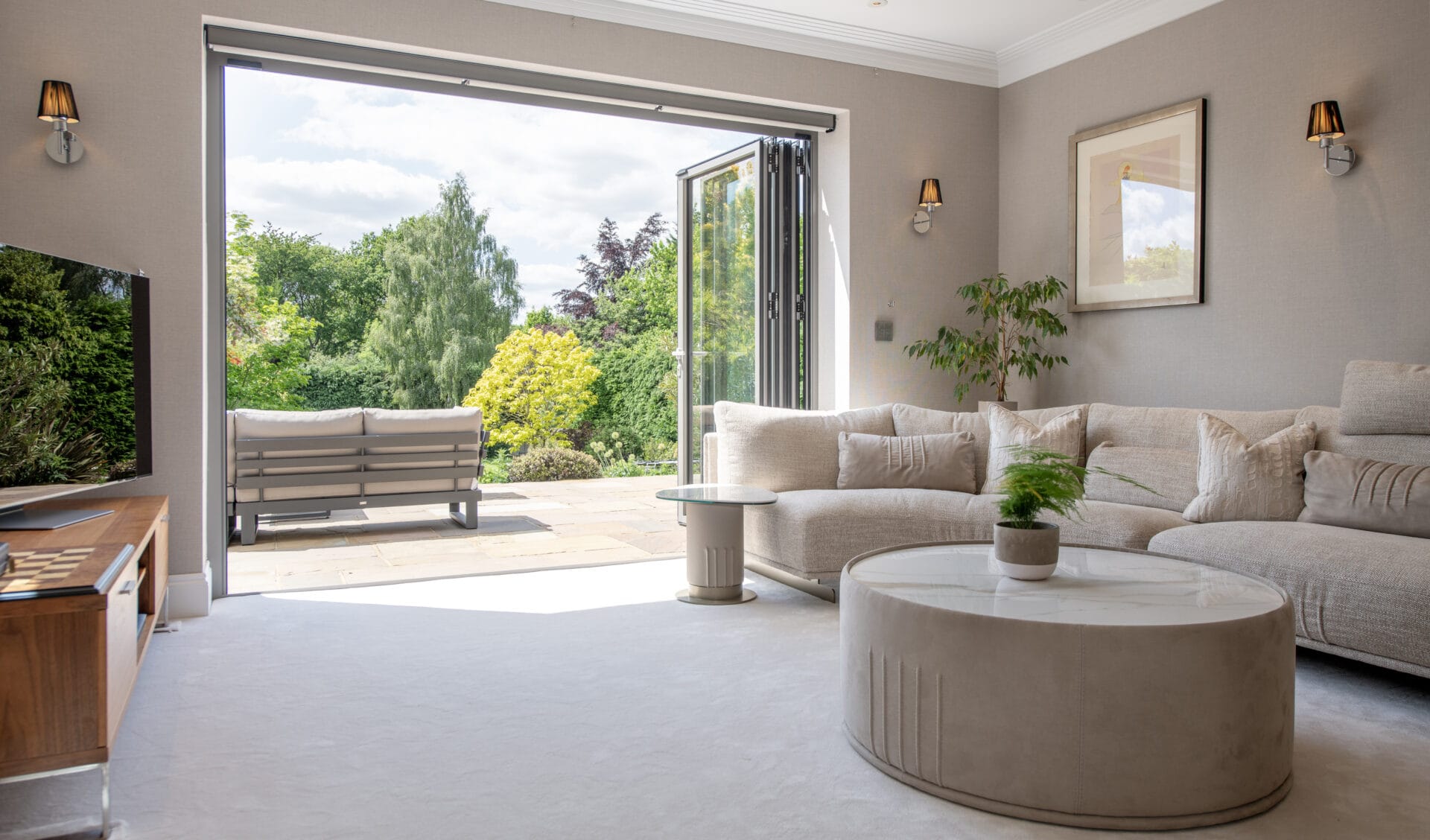
An accessibility house is more than just a property that meets physical needs. It is a home designed for comfort, safety, and independence as we grow older. Across the UK, many people are choosing to stay in their homes longer rather than move to retirement communities. This approach, often called ‘aging in place’, is becoming increasingly popular as families look for ways to make their homes future-ready.
Simple updates, such as easy open windows, secure doors, and improved natural light, can make daily living far more comfortable. Paired with thoughtful home design and modern materials, these accessible home modifications allow older homeowners to enjoy the homes they love for many more years.
Why Accessibility Matters: Living Comfortably and Independently
Aging in place provides freedom, familiarity, and emotional security. Many older adults prefer to remain in the comfort of their own homes, surrounded by memories, neighbours, and daily routines, rather than adjust to an unfamiliar environment. However, as mobility or eyesight changes, standard home layouts can become increasingly difficult to navigate. According to a 2024 UK Government independent study, only 12% of older people currently have level access at their building entrance.
An accessible home removes these barriers through thoughtful design upgrades that promote safety and independence. Features such as step-free entryways, wider doorways, non-slip flooring, and automated lighting can significantly improve daily living.
Even smaller adjustments, like fitting easy-open windows or replacing front doors with secure models featuring low thresholds, can make a meaningful difference, helping individuals continue to live comfortably and independently for longer.
Key Accessibility House Upgrades
1) Doorways and Access Points
Entranceways are often the first consideration when planning an accessible home. Older properties can feature high steps, narrow frames, or heavy doors that make everyday movement challenging.
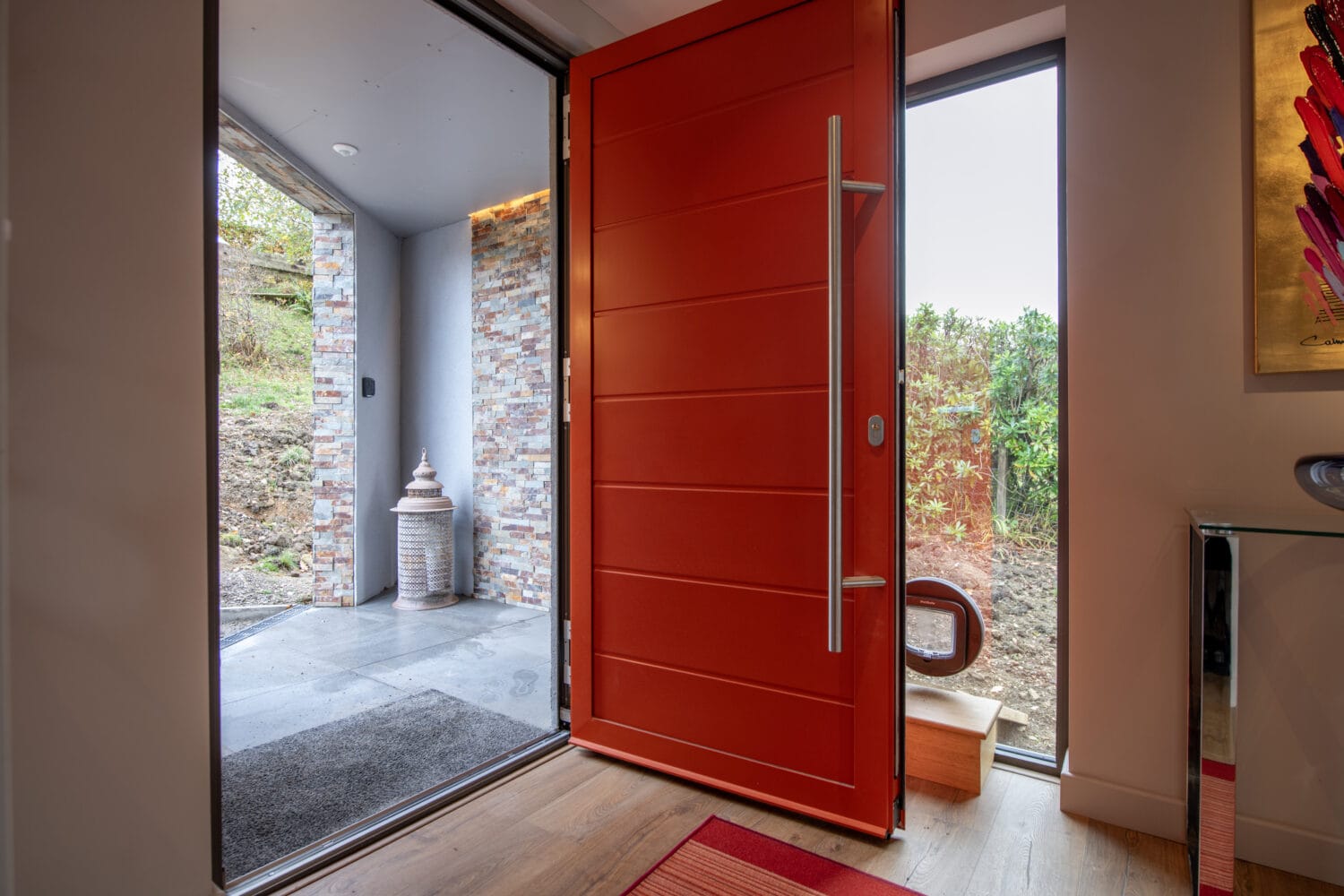
At Express, our bespoke aluminium front doors, bifold doors, and sliding doors are designed to deliver accessibility without compromise. With low thresholds and smooth-gliding tracks, they provide safe, effortless access between rooms or into the garden. And there’s no need to sacrifice contemporary style; our aluminium pivot doors, for example, create a striking focal point while offering a completely flush threshold and frameless look, making them ideal for those with mobility needs.
“We’re seeing more homeowners asking about accessibility features in our product range. The goal is to make spaces safer and easier to use without losing the beauty or light people love. Our product range proves that accessibility and design can work hand in hand.”
— Steve Bromberg, Managing Director, Express Bi-Folding Doors
2) Improving Natural Light
Good lighting is essential for safety and wellbeing, particularly as eyesight changes with age. Homes that are too dim can increase the risk of trips and falls, while brighter rooms help improve mood and alertness.
Upgrading to accessibility windows or large glazed doors allows daylight to fill the space naturally. Bifold doors and sliding doors, are all excellent ways to improve natural light and visibility throughout the day.
Rooflights and internal glazing are also popular choices, especially for bungalows or extensions that may have darker areas. The result is a warm, uplifting environment that feels open and safe.

3) Energy Efficiency and Comfort
Energy efficiency plays a key role in accessibility housing. Older adults often spend more time at home, so maintaining a comfortable temperature while managing energy costs becomes vital.
Modern aluminium windows and doors with advanced insulation and thermal breaks help to maintain warmth in winter and prevent overheating in summer. Paired with double glazing, these upgrades not only cut energy bills but also make rooms quieter and more comfortable.
Investing in energy efficient materials means less maintenance and fewer worries about draughts, condensation, or fluctuating indoor temperatures.
4) Accessible Layout and Design
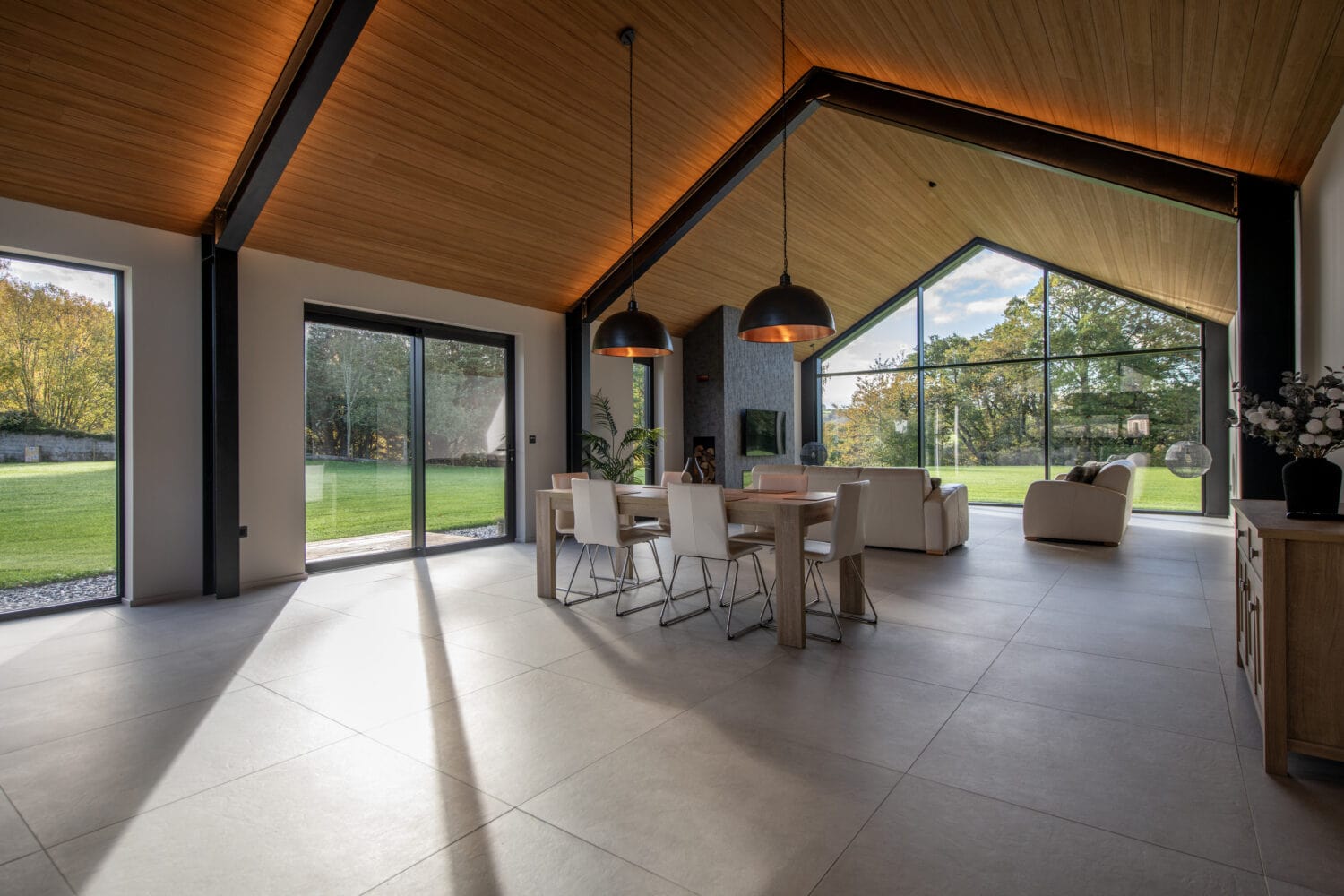
A home that supports aging in place needs clear pathways, level flooring, and easily reachable controls. In an accessibility house, furniture layout and room flow should allow easy navigation for walking aids or wheelchairs.
Replacing heavy curtains with integral blinds, raising plug sockets, and lowering counters in key areas like the kitchen all help with independence. Meanwhile, sliding or bifold doors are ideal for connecting indoor and outdoor areas without needing to manage heavy panels or door swings. Plus upgrading patio doors can encourage more time outdoors, boosting physical activity and wellbeing.
5) Safety and Home Security
Home security becomes a growing concern with age. Many homeowners want the reassurance that they can lock up safely and easily each night.
Modern secure doors and windows are designed with multi-point locking systems, toughened glazing, and sturdy aluminium frames that provide peace of mind without effort. These upgrades also improve insulation and reduce noise, key benefits for a calm, private home environment.
For an extra touch, installing smart locks or video doorbells can also make it easier to monitor visitors without needing to rush to the door.
Making Accessibility Part of Modern Living
An accessibility house does not have to feel clinical. The best upgrades are those that work with the design of the home while adding safety and comfort. Our premium aluminium product range supports this balance beautifully, offering wide openings, low thresholds, and generous glazing that fills rooms with natural light.
For those planning ahead, combining accessible home modifications with energy efficiency improvements helps future-proof a property. While thermally broken aluminium features may seem like an expense now, their longevity and energy efficiency means less upkeep, lower running costs, and more enjoyment of daily life.
How to Create Accessible Buildings
Designing an accessibility house starts with observation. Notice which areas feel difficult to move through, where lighting is poor, or where steps could cause issues. Consulting accessibility specialists or architects can help identify improvements that suit your home layout and lifestyle.
At Express, our experts regularly work with homeowners and designers to integrate accessible windows, easy open doors, and high-performance glazing that make homes safer, brighter, and more efficient. The focus is always on comfort, not compromise.
FAQs
What does “aging in place” mean?
Aging in place refers to living independently and comfortably in your own home as you grow older. It involves adapting your home with features that support mobility, safety, and daily convenience.
Are accessibility upgrades expensive?
Not necessarily. Many accessibility house improvements can be done gradually. Replacing doors and windows is one of the most cost-effective ways to improve safety, insulation, and accessibility all at once.
Can accessible home modifications improve property value?
Yes. Homes designed with accessibility in mind often appeal to a wider range of buyers and can command higher resale values. Features like energy efficient glazing and secure doors also attract buyers focused on comfort and long-term sustainability.
A Thoughtful Future at Home
An accessibility house offers the best of both worlds: independence and comfort within familiar surroundings. With the right upgrades, such as secure doors, energy efficient windows, and thoughtful layouts that improve natural light, older homeowners can enjoy their homes for decades to come.
At Express, we understand that accessibility is about more than mobility. It is about confidence, ease, and enjoying the place you call home. Visit one of our showrooms or explore our case studies to see how our range of aluminium bifold doors, sliding doors, and front doors can support comfortable living today and in the future.


