TRANSFORMING HOMES SINCE 2007
MADE IN BRITAIN
NATIONWIDE SUPPLY & INSTALL SERVICE
Which Glass Extension is Right for You?
Lifestyle
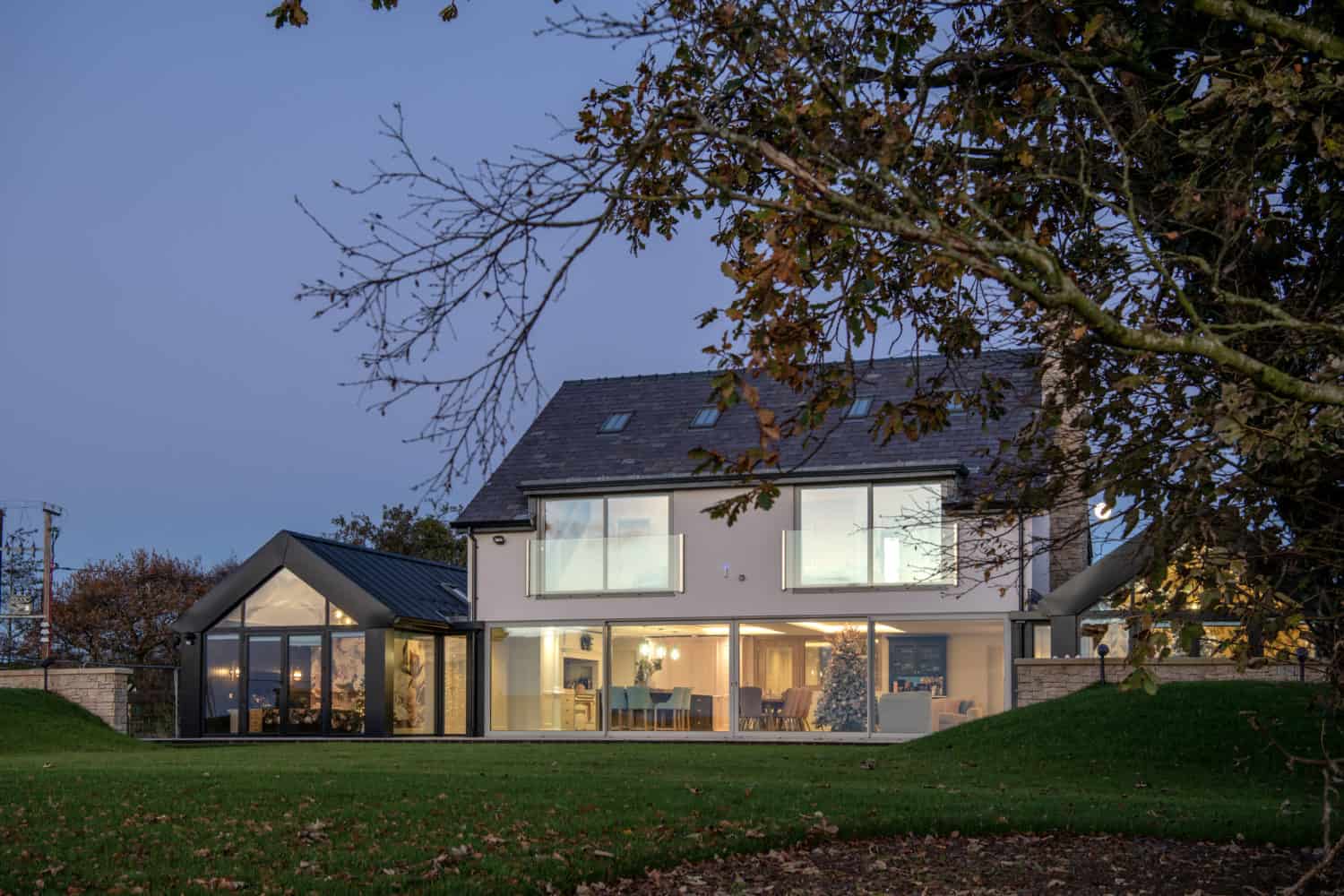
A glass extension is one of the most effective ways to bring more light, space, and architectural interest into a home while keeping a strong connection to the garden. As homeowners across the UK continue to invest in high quality home upgrades, glass extensions are fast becoming a preferred option over traditional brick builds.
In this guide we explain the main types of glass extension available, how they compare to conservatories and orangeries, and how to choose the right option for your home.
What Is a Glass Extension?
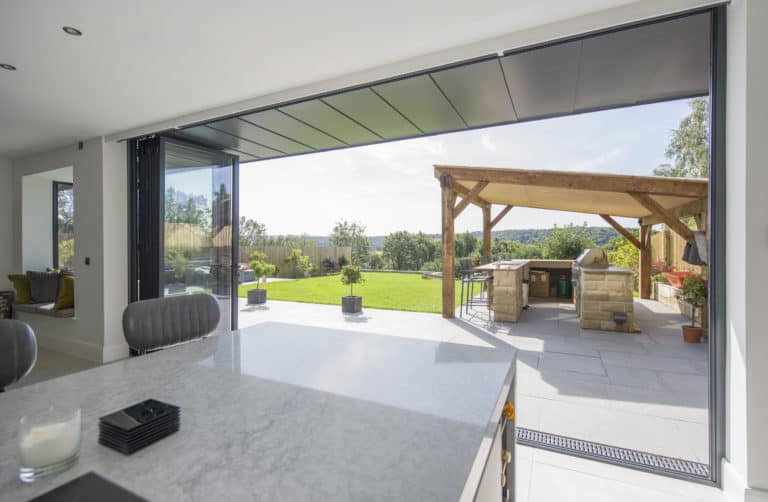
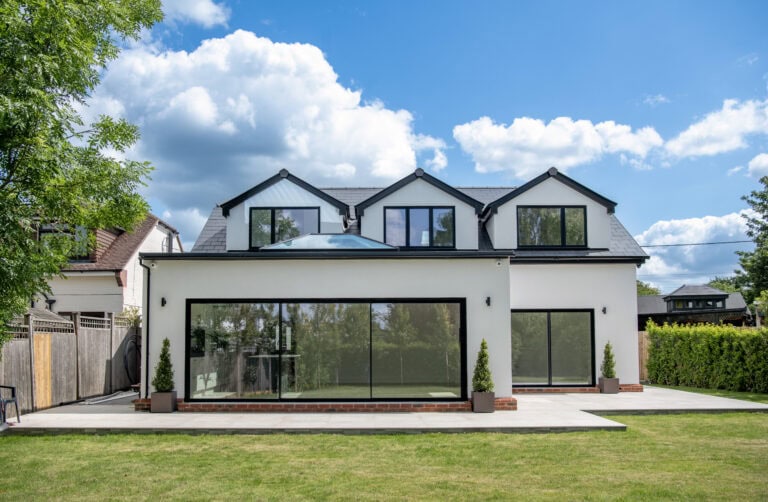
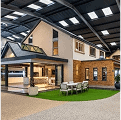
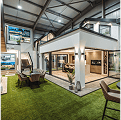
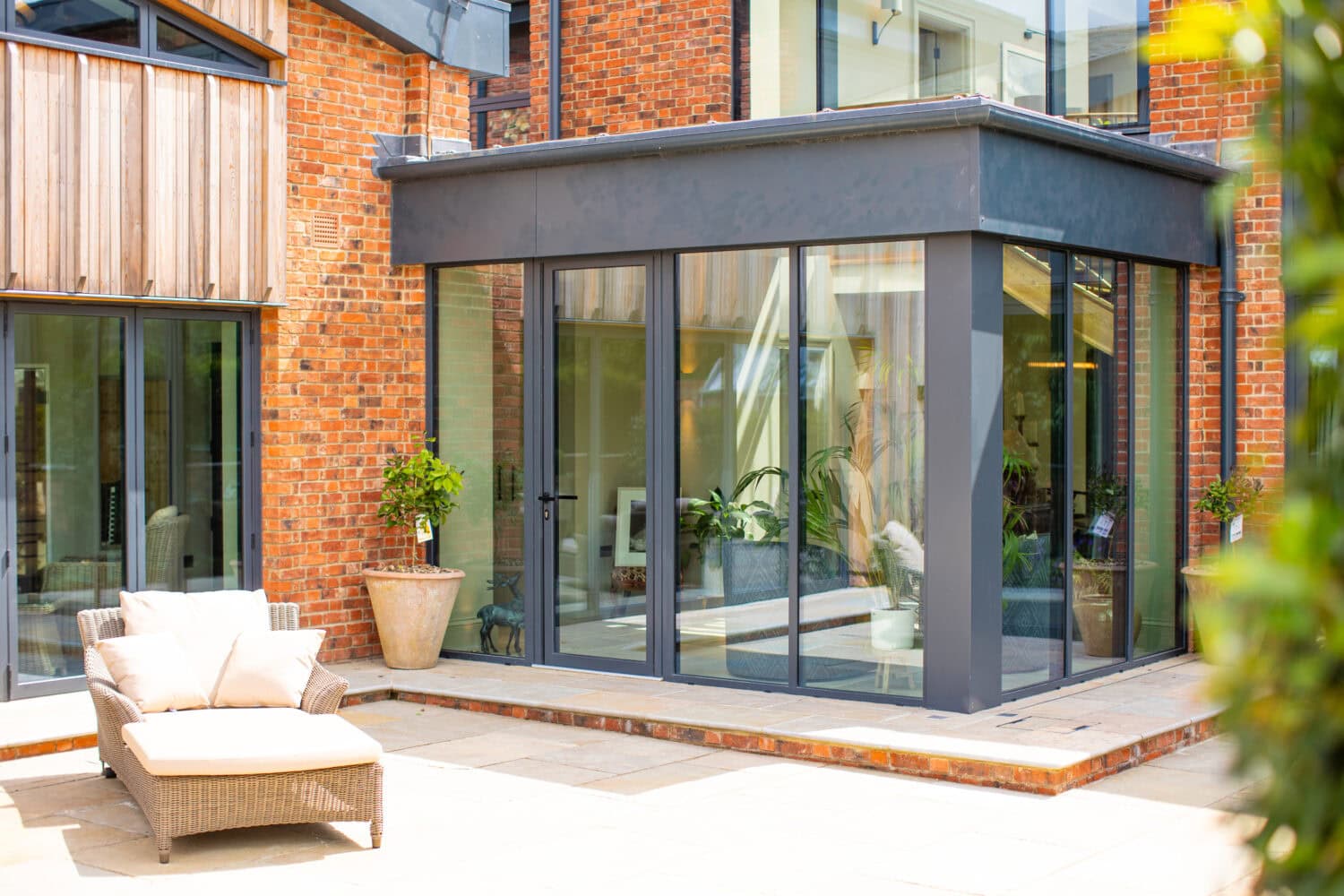
A glass extension is a modern architectural addition that uses large areas of glazing to form its walls, roof or both. Unlike traditional extensions that rely heavily on brickwork and solid walls, glass extensions are designed to maximise natural light, improve views and create a stronger connection between the home and the garden.
A well-designed glass extension feels like a natural part of the property rather than a separate structure added on later.
Modern Glass Extensions Typically Combine
Modern glass extensions are very different from older conservatories. They are built using:
- Structural aluminium framing
- High performance glazing
- Slim sightlines
- Thermal insulation
- Integrated drainage and ventilation
These elements work together to produce a space that is comfortable all year round, energy efficient and visually clean, with a refined architectural appearance that sits comfortably within the main house.
Glass Extension Vs Conservatory Vs Orangery
Before choosing a design, it is helpful to understand how these options differ:
Glass Extension
A glass extension uses glazing as the main architectural element. It often has:
- Structural glass walls
- Glass roof or roof panels
- Minimal aluminium framing
This achieves a striking contemporary look and floods the interior with daylight. Modern glass extensions are fully insulated and can be used year-round as kitchens, dining spaces, living rooms or home offices.
Conservatory
A conservatory is a glazed extension, typically attached to the rear of a home, designed to establish a bright and effortless connection between the house and the garden. It is usually characterised by:
- A lightweight roof
- Slimline frames
- A high proportion of glazing
Traditional conservatories were often difficult to use year-round due to poor thermal performance. However, modern conservatories built with thermally broken aluminium frames and high-performance double-glazing offer vastly improved insulation, helping to maintain comfortable temperatures in both summer and winter.
Today’s conservatories are versatile living spaces, commonly used as garden rooms, dining areas or relaxed family lounges, delivering natural light without compromising on comfort or energy efficiency.

Orangery
An orangery sits between a conservatory and a full extension, combining the light-filled feel of glazing with the solid presence of a permanent structure. It is typically defined by:
- Solid perimeter walls
- A flat roof with a glazed skylight
- Large-format windows and doors
Unlike traditional conservatories, orangeries feel much more like true extensions of the home. The solid elements provide improved insulation and acoustic performance, allowing for far better temperature control and year-round comfort.
This makes orangeries an ideal choice for homeowners who want a more substantial, architecturally grounded space, while still enjoying abundant natural light and strong visual connections to the garden.
Types of Glass Extension
There is no single format for a glass extension. Below are the most common options used across the UK.
Glass Box Extension
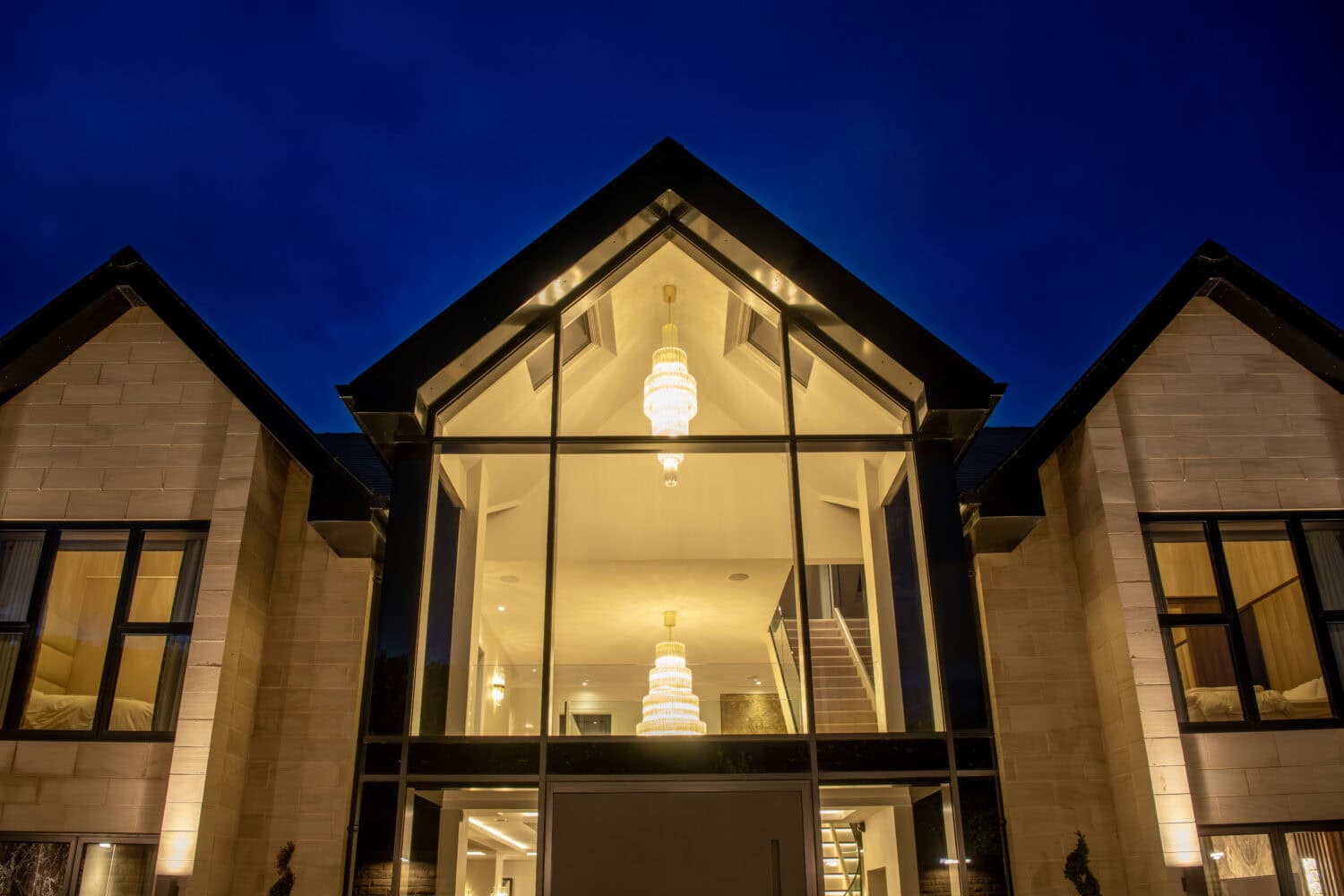
A glass box extension is a highly architectural form of glazed extension. It uses floor to ceiling glass on all sides with a flat or glazed roof.
This option is ideal for:
- Modern homes
- Rear extensions overlooking the garden
- Kitchen dining rooms
- Design led refurbishments
The visual effect is dramatic and creates a floating room that blurs the boundary between inside and outside.
Glass Roof Extension
A glass roof extension combines a more solid base structure with a glazed roof. This could be:
- A flat roof with large glass panels
- A lantern roof
- A pitched glass roof
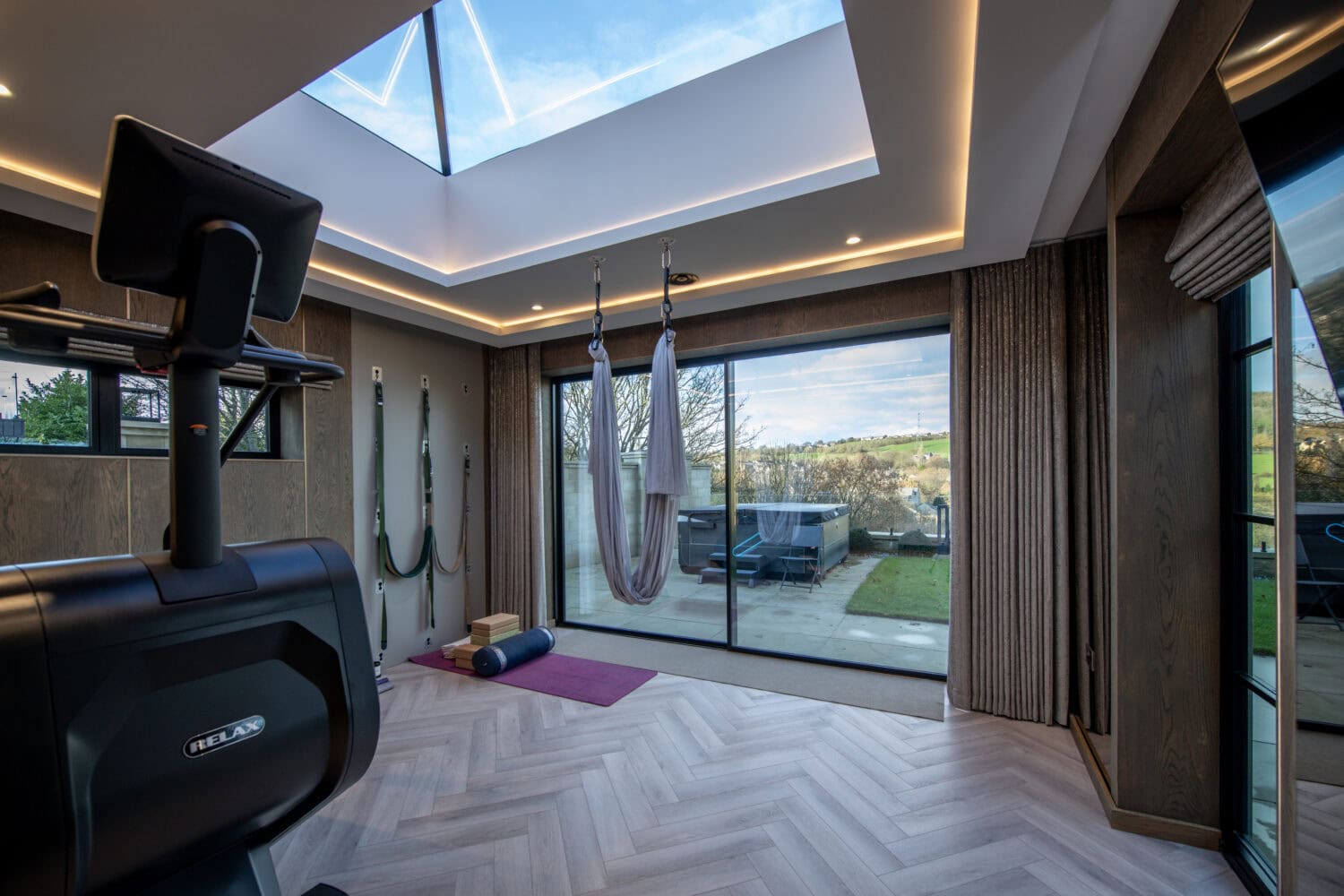
This type of glass extension is often chosen when privacy or thermal control is important, but daylight is still a priority.
Glazed Extension
A glazed extension uses a mix of glass walls and framed openings. It often includes:
This format suits family homes that want more light and garden access without going fully frameless.
Why Modern Glass Extensions Are in Demand
Modern glass extensions are now designed using advanced glazing and aluminium systems that make them practical and durable in the UK climate.
Key benefits include:
- More natural light
- Wider garden views
- Better thermal performance
- Higher property value
- Strong architectural presence
Expert Insight from Express
According to Steve Bromberg, Managing Director at Express:
A glass extension gives homeowners more than extra space. It brings light into the heart of the home and opens up views that were never part of the original layout. With today’s glazing systems we can deliver glass extensions that work just as well in winter as they do in summer while offering clean lines and long-term performance.
Choosing The Right Glass Extension for Your Property
Different homes suit different forms of glass extension.
- Period homes often pair well with a glazed extension that includes more framed elements
- Contemporary homes can carry a glass box extension or frameless glass roof extension
- Family homes benefit from a mix of glazing and insulated wall space
Orientation also matters. South facing glass extensions need solar control glazing, while north facing spaces benefit from high clarity glass.
FAQs
Are glass extensions cold in winter?
Modern glass extensions use high performance glazing with low U values and thermal breaks. When specified correctly they perform like any other extension.
Do glass extensions need planning permission?
Many fall under permitted development. Larger or more complex glass extensions may require approval.
How long does a glass extension take to install?
Most projects take between eight and twelve weeks depending on size and groundworks.
Are glass roof extensions safe?
Yes. All roof glass is laminated and designed to meet UK building regulations.
A glass extension brings more light into the home, creates a greater sense of space and gives a stronger connection to the garden without the drawbacks of older glazed structures. Whether you are considering a glass box extension, a glazed extension or a glass roof extension, there is a solution to suit almost any style of property.
With the right design and glazing partner, a modern glass extension becomes a natural part of the home and a space you can enjoy every day throughout the year.
At Express, our expert team supports you through every stage of your kitchen extension journey. From specialist advice and tailored quotations to showroom visits and product guidance, we help you make confident decisions and achieve a result that works beautifully for your home.