TRANSFORMING HOMES SINCE 2007
MADE IN BRITAIN
NATIONWIDE SUPPLY & INSTALL SERVICE

How to make a conservatory warmer is one of the most common questions homeowners ask as temperatures drop. A conservatory is designed to celebrate light and garden views, but in winter it can quickly become the coldest room in the house if heat escapes unchecked.
With the right upgrades and considered changes, your conservatory can remain comfortable, usable, and welcoming throughout the colder months. This guide explores proven ways to retain heat, reduce draughts, and improve insulation, with expert insight on aluminium glazing solutions that support year-round comfort.
Why conservatories feel colder in winter
Conservatories are designed to maximise light, but this often comes at the expense of warmth. With a high proportion of glass, many (particularly older installations) were built before modern thermal performance standards were introduced. As a result, heat can escape quickly, making the space feel noticeably colder during winter.
Most heat loss occurs through the glazing, roof, and poorly insulated frames. If you’re wondering how to make a conservatory warmer, the solution lies in reducing heat transfer while still allowing natural light to flood the space.
Common causes of winter heat loss include:
- Single glazing or older double-glazed units
- Window and door frames without a thermal break
- Polycarbonate roofing with limited insulation
- Gaps or draughts around doors and windows
- Inefficient or poorly suited heating systems
Addressing even one of these problem areas can make a noticeable difference, helping your conservatory feel warmer, more comfortable, and far more usable throughout the colder months.
How to Make a Conservatory Warmer in Winter
Upgrade glazing for better heat retention
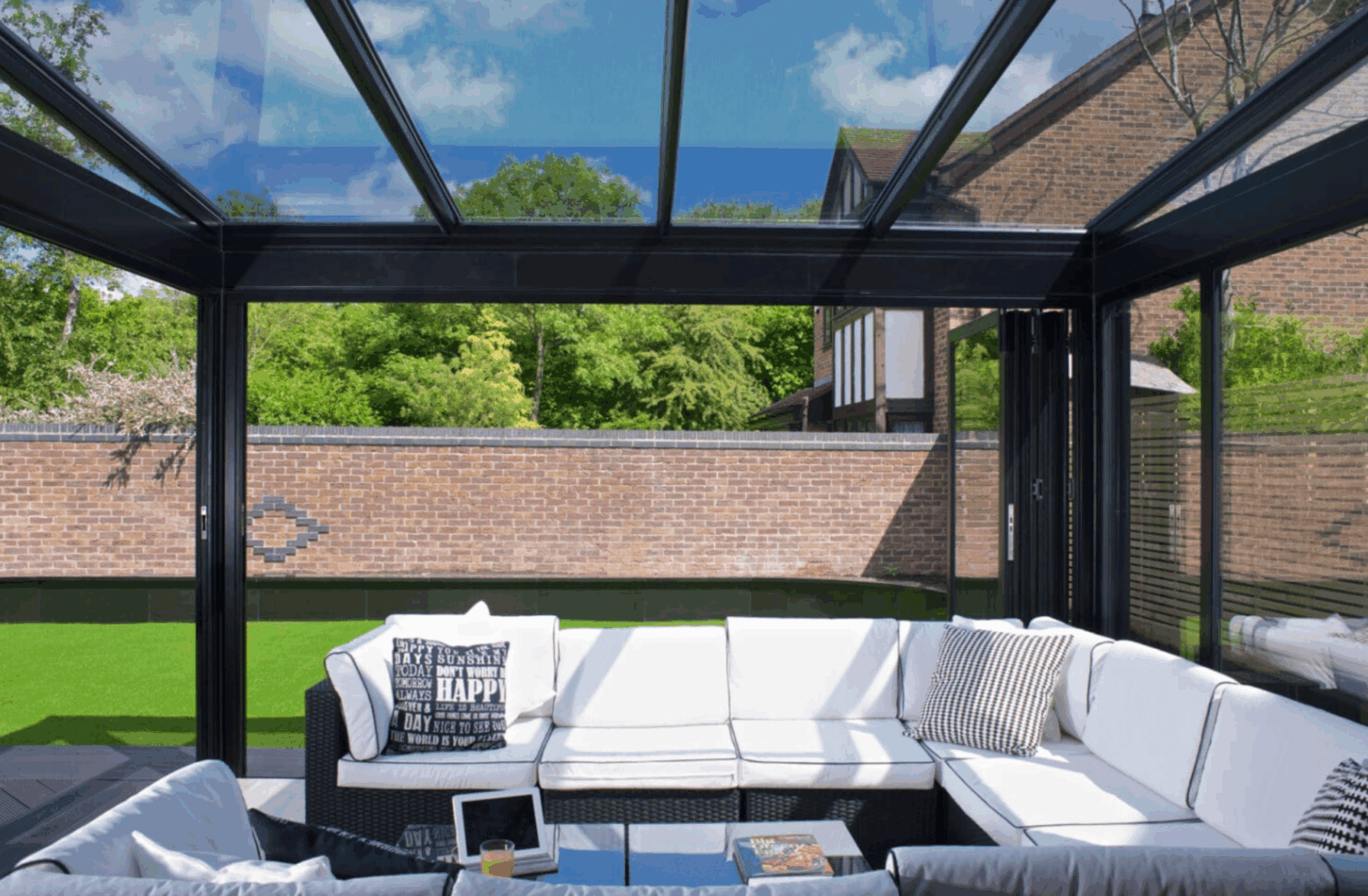
One of the most effective ways to make a conservatory warmer in winter is upgrading the glazing. Modern double glazing with Low E coatings significantly reduces heat escaping through glass.
Aluminium windows and doors fitted with advanced glazing units help maintain internal temperatures without compromising daylight. These units reflect warmth back into the room while limiting cold transfer from outside.
If your conservatory currently uses older glazing, replacing it with double or triple glazing can immediately improve comfort levels.
In short: high performance glazing helps retain warmth while keeping the conservatory bright and usable.
Choose aluminium frames with a thermal break
Window and door frames play a crucial role in how well a conservatory retains heat. Older uPVC or timber frames, particularly those without internal insulation, can conduct cold directly into the space, making it harder to maintain a comfortable temperature.
Modern aluminium window frames are engineered differently. They incorporate an integrated thermal break that separates the internal and external sections of the frame. This barrier significantly reduces heat transfer, helping to stabilise indoor temperatures even during colder weather.
A thermally broken aluminium frame also helps to limit condensation, improving day-to-day comfort while protecting surrounding walls, floors and furnishings. When homeowners ask how to make a conservatory warmer, upgrading the frames is often one of the most effective improvements.
Benefits of thermally broken aluminium frame windows
- Reduced heat loss
- Improved comfort in cold weather
- Less condensation build up
- Long term durability
In short: thermally broken aluminium frames help keep warmth inside the conservatory where it belongs.
Improve the conservatory roof insulation
The roof is another major source of heat loss, as many conservatories still rely on polycarbonate panels, which offer limited insulation during winter.
Options to improve roof performance include
• Replacing polycarbonate with insulated glazing
• Installing internal roof insulation panels
• Adding thermal blinds or lined shades
A fully glazed roof using modern performance glass can strike the right balance between insulation and light. This approach supports those wondering how to make your conservatory warmer without darkening the space.
In short: improving roof insulation reduces heat escape and helps maintain a steady internal temperature.
Seal draughts and gaps
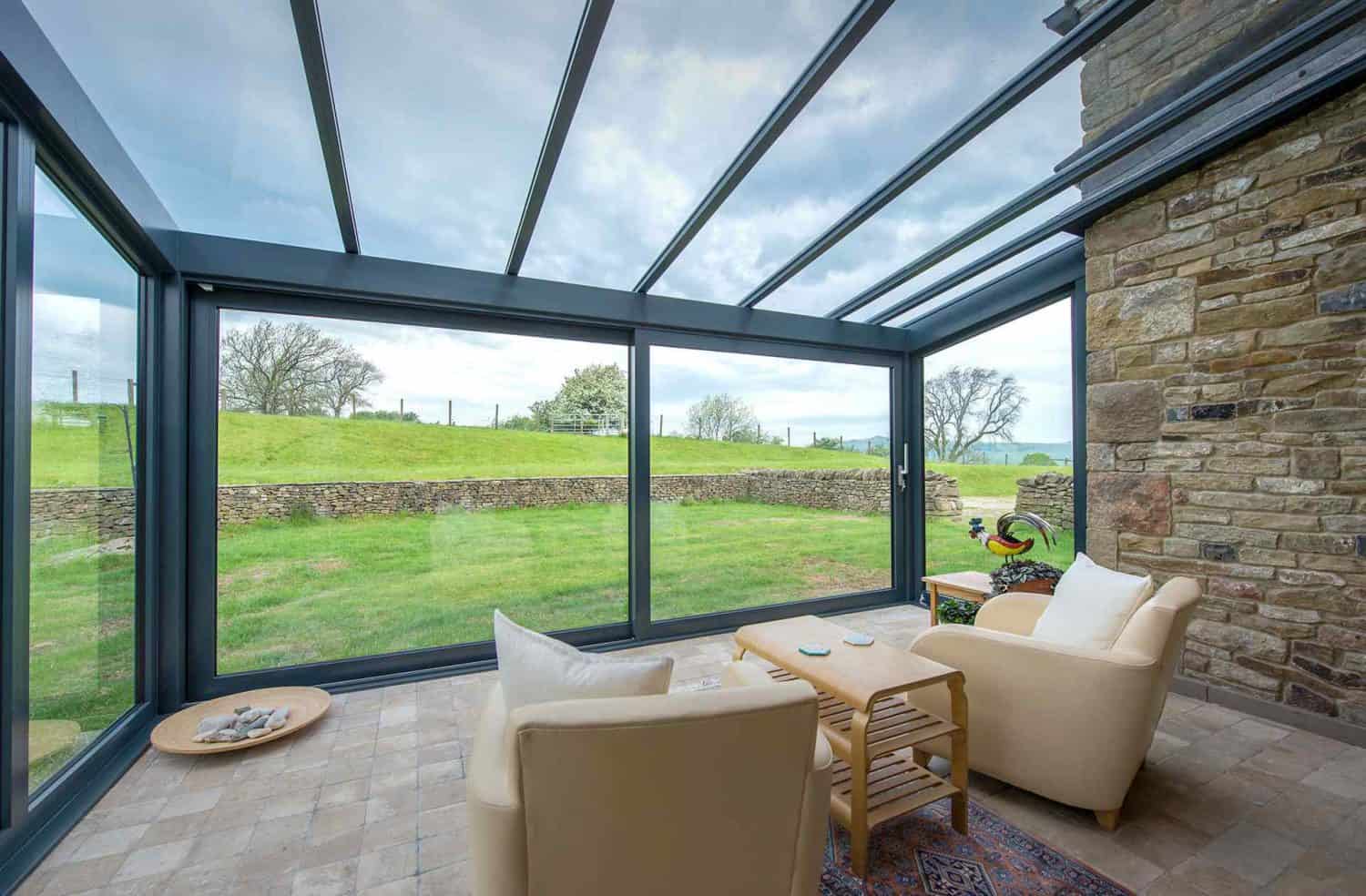
Small gaps can have a significant impact on warmth. Over time, seals around windows and doors may shrink or wear, allowing cold air to enter.
Simple steps include
- Checking seals around aluminium windows and doors
- Applying fresh weather stripping where needed
- Sealing visible gaps along frames and thresholds
These minor changes support anyone searching how to make a conservatory warmer using quick fixes alongside longer term improvements. For more advice, check out our previous blog for more tips on draught proofing windows and doors.
In short: draught sealing helps prevent cold air infiltration and supports consistent warmth.
Curtains and blinds add insulation
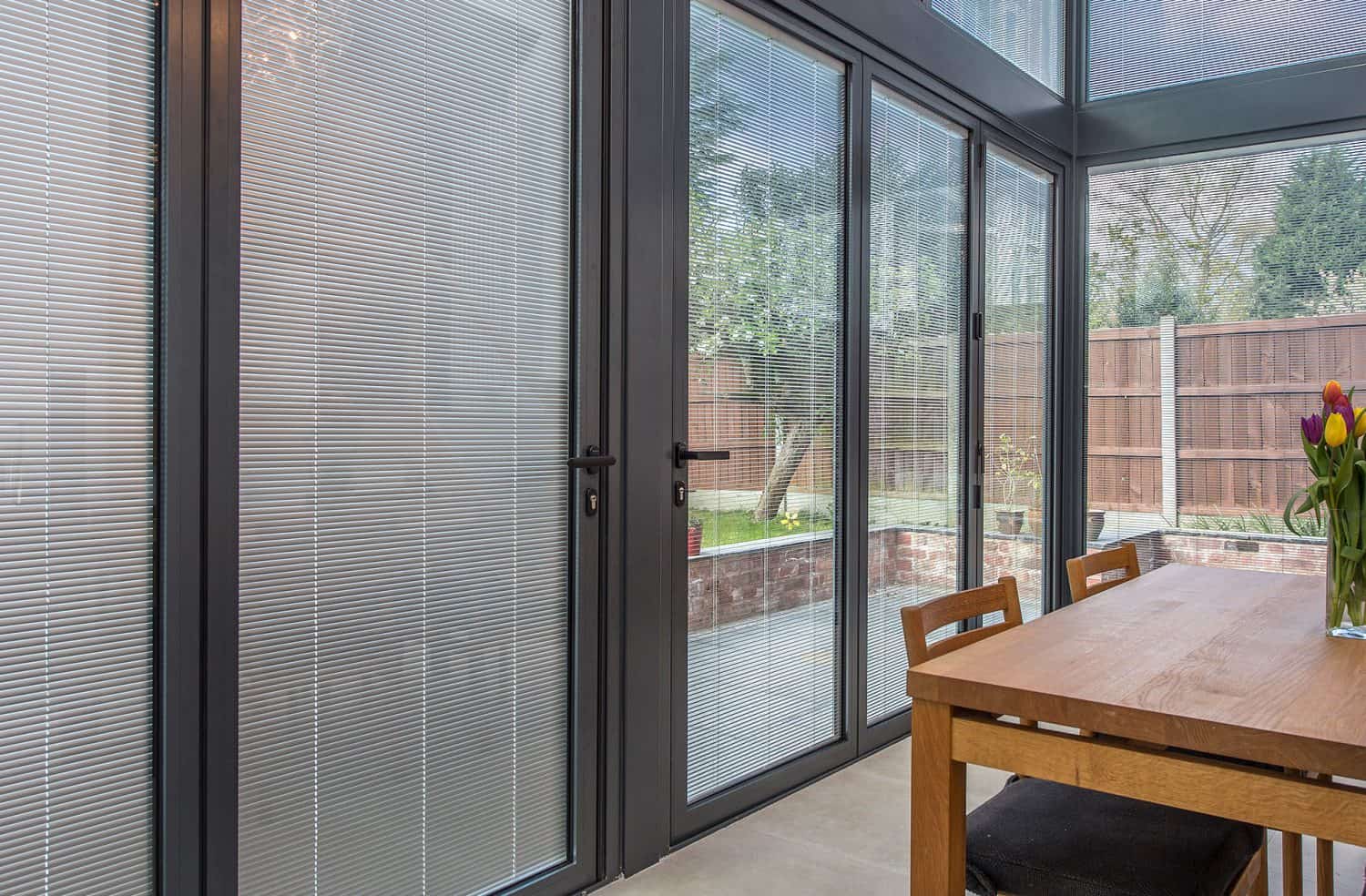
Curtains and blinds provide an effective extra layer of insulation, particularly during colder winter evenings. Thermal blinds or lined curtains help reduce heat loss after sunset, while still allowing natural light to enter the space during the day.
For a clean, contemporary look, integral blinds offer a sleek, built-in solution. When fitted within aluminium window frames, they integrate neatly into the design and help manage temperature fluctuations throughout the winter months.
In short: layered window coverings support warmth and comfort once daylight fades, making your conservatory feel more inviting all year round.
Use layered flooring solutions
Flooring is often overlooked when considering how to make conservatory warmer in winter. Tiled or stone floors can feel particularly cold during colder months.
Options to reduce heat loss include
- Adding thick rugs or runners
- Installing insulated underlay beneath flooring
- Considering underfloor heating systems
Even a simple rug can reduce heat loss through the floor while improving comfort underfoot.
In short: layered flooring helps trap warmth and reduce cold rising into the space.
Expert insight from Express
“A conservatory can remain comfortable in winter when it is built or upgraded with the right materials. Modern aluminium windows with a thermal break make a measurable difference. Combined with high performance glazing, they help retain warmth, reduce condensation, and support year-round use of the space.”- Steve Bromberg, Express Bi-folding Doors, Managing Director
FAQs
Can a conservatory add home value if it’s warm enough to use in winter?
Yes. A conservatory that remains comfortable year-round is far more appealing to buyers. Improving insulation, glazing and temperature control can turn it into a genuine living space rather than a seasonal room.
Is condensation a sign my conservatory is too cold?
Often, yes. Condensation forms when warm internal air meets cold surfaces. Upgrading frames and glazing can help regulate surface temperatures and reduce moisture build-up.
Will improving insulation reduce my energy bills?
In many cases, yes. A conservatory that retains heat more effectively requires less additional heating, helping to lower overall energy consumption during winter months.
Can aluminium windows work with traditional conservatory designs?
Absolutely. Modern aluminium frames are available in a wide range of colours and finishes, making them suitable for both contemporary and more classic conservatory styles.
Keeping a conservatory warm is all about managing heat loss at every point. Glazing, frames, roofing, and flooring each play a crucial role, and when they work together effectively, comfort follows. By combining thermally broken aluminium windows, enhanced insulation and well-considered heating, a conservatory can remain warm, bright, and usable throughout the winter months.
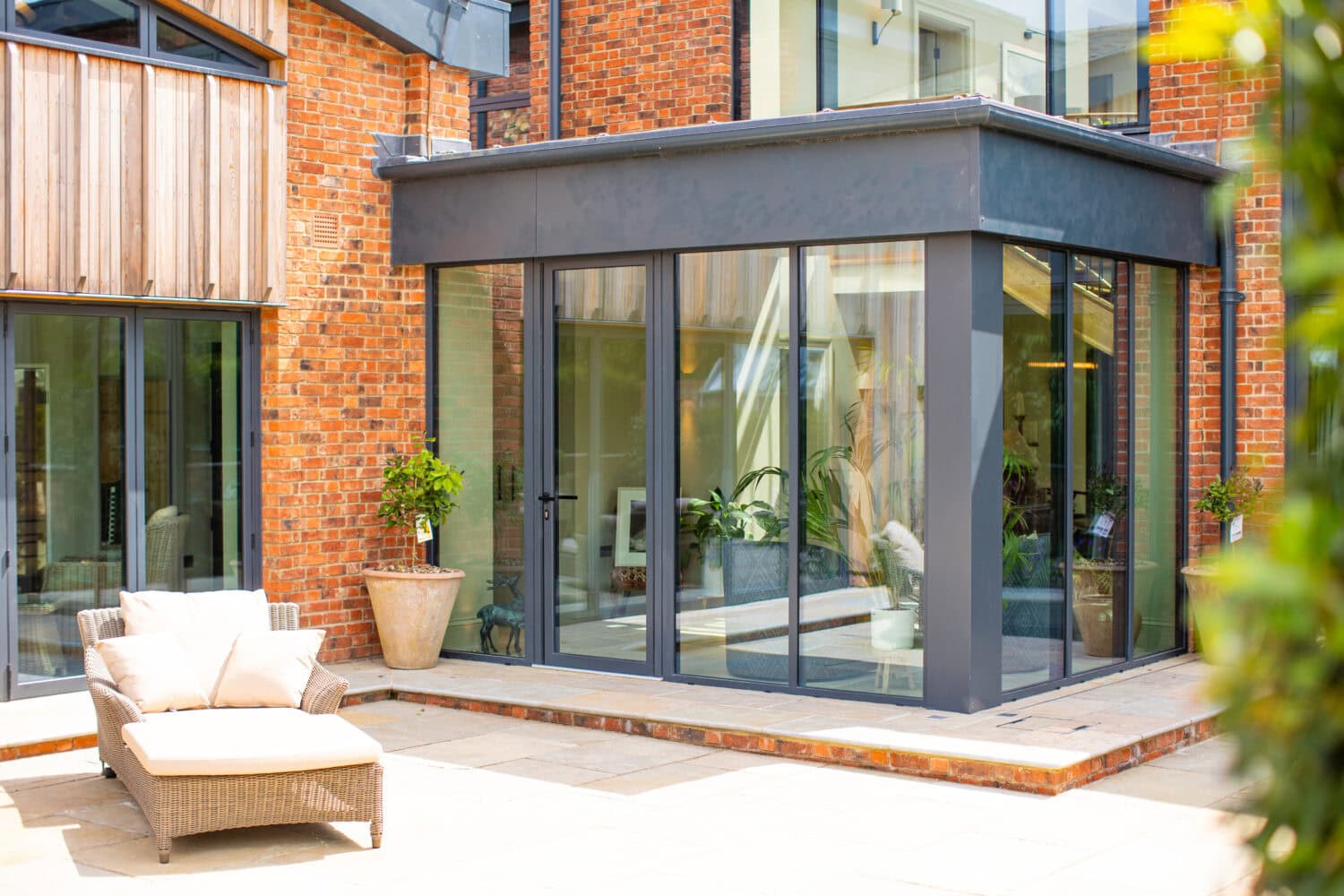
At Express, our aluminium conservatories are engineered to deliver year-round comfort without compromising on light or style. Advanced thermal break technology and high-performance glazing help to retain warmth, reduce draughts, and maintain a consistently pleasant internal temperature.
To explore aluminium window and door solutions designed for winter comfort and long-term performance, book a design appointment or visit one of our showrooms today.


