TRANSFORMING HOMES SINCE 2007
MADE IN BRITAIN
NATIONWIDE SUPPLY & INSTALL SERVICE
Overview
How to keep your house cool in summer starts with stopping heat before it builds. Simple steps such as closing blinds during peak sun, reducing heat made indoors, using fans well and ventilating at cooler times can all help lower the risk of overheating. For homes with larger glazed areas, shading, well placed openings, and integral blinds can also support better airflow, comfort, and day to day heat control.
How to keep your house cool in summer is a growing concern for many UK households, especially during longer warm spells and heatwaves. Rooms that feel bright and comfortable in spring can quickly become hot in July and August, particularly kitchens, loft rooms, bedrooms, and open plan living areas.
The good news is that a cooler home does not always need expensive equipment. Small changes to shading, ventilation, cooking habits and airflow can make a noticeable difference. This guide explains how to keep house cool, how to cool down a room, and how to keep cool in hot weather using simple steps that work in real homes.
Why Does a House Get So Hot In Summer
A house gets hot when heat enters faster than it can escape. Direct sun through glass, warm air coming in through open windows, cooking, electrical items, and poor ventilation can all add to overheating.
This is becoming a bigger issue for UK households. The Independent reported that 80% of UK homes experienced overheating in summer 2022, around four times higher than a decade earlier. As hotter summers become a greater concern, knowing how to keep your house cool in summer is no longer just a comfort issue. It is an important part of making homes easier to live in during warm weather.
The rooms most likely to hold heat include:
- South facing bedrooms
- Loft rooms
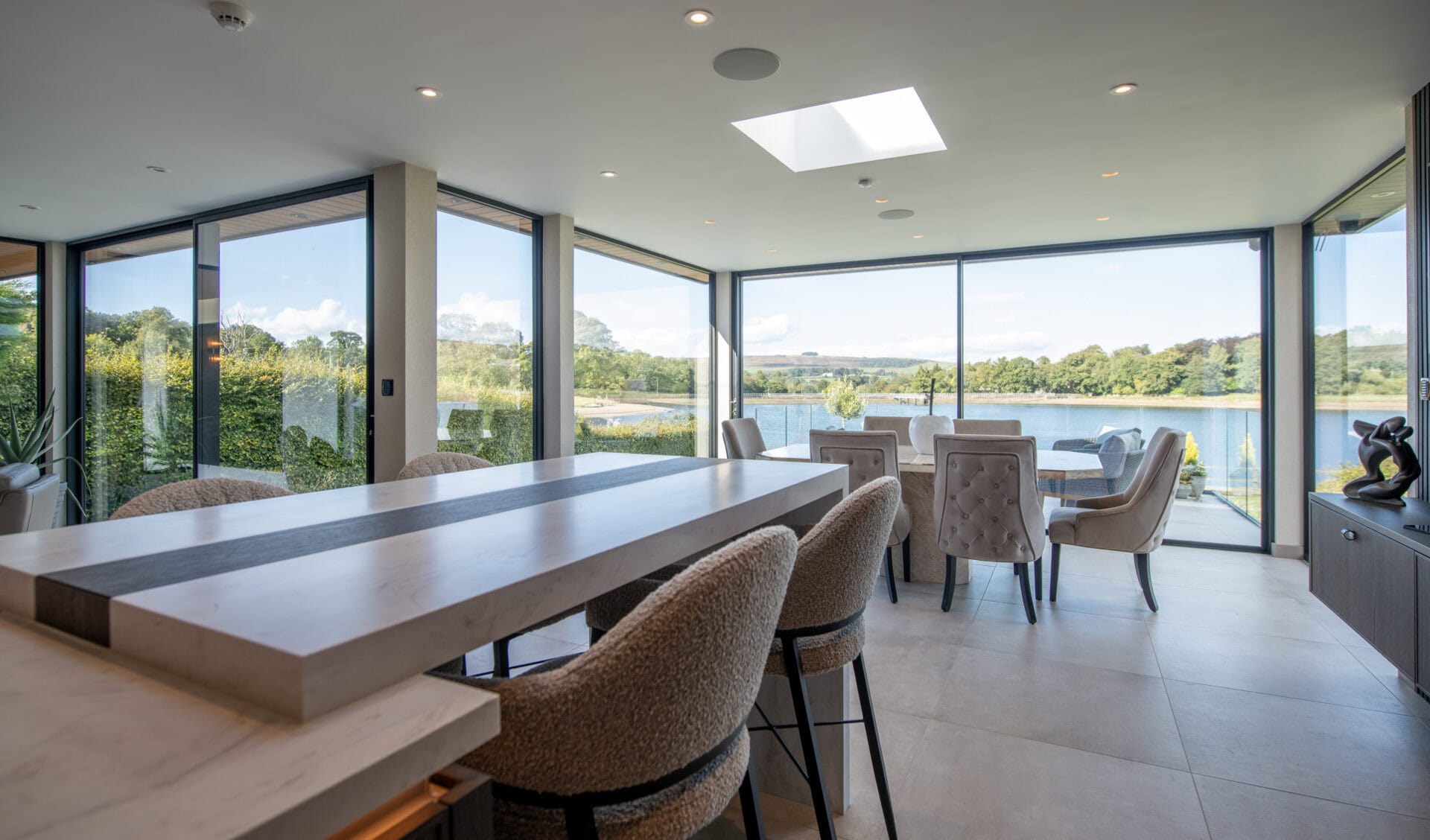
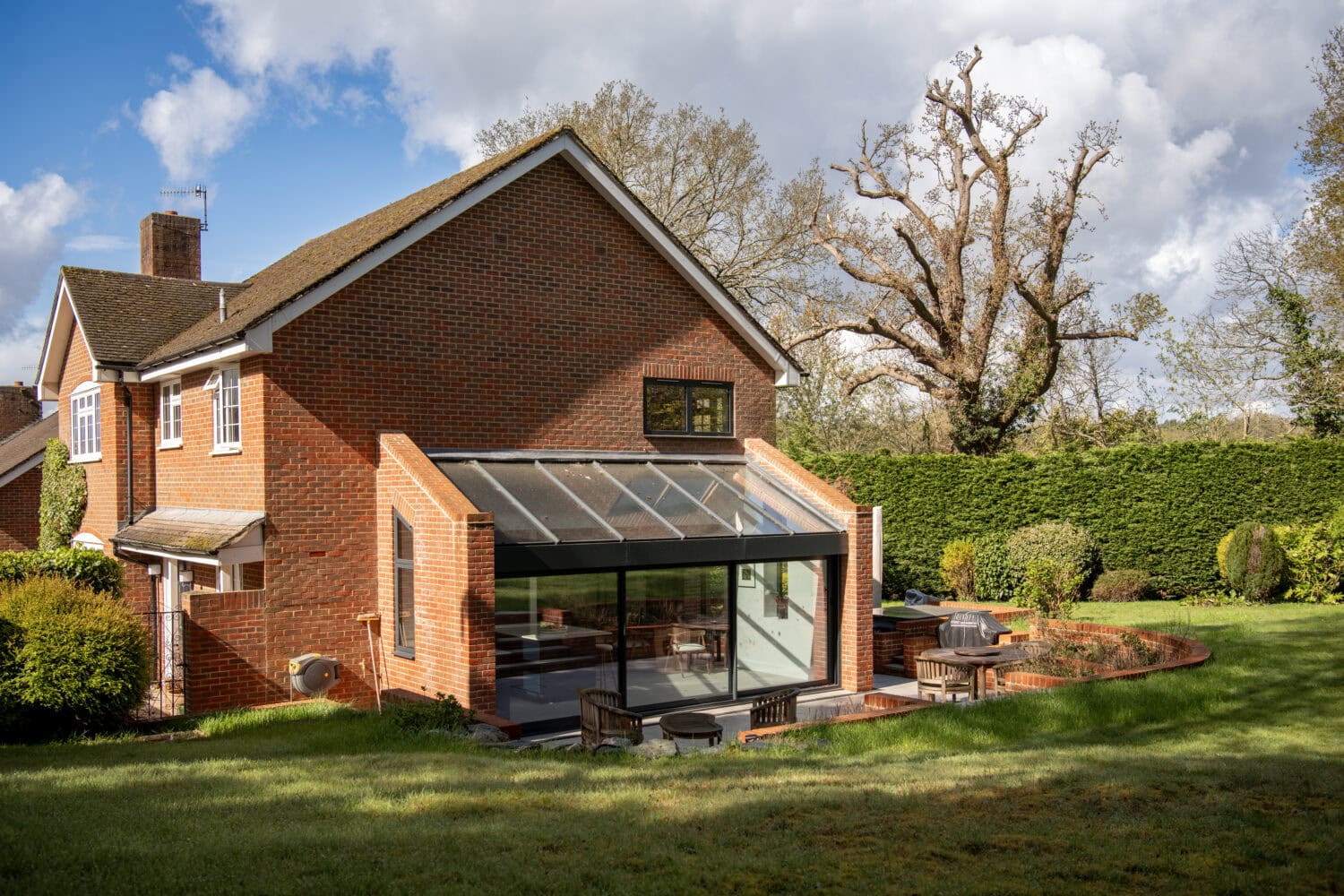
- Conservatories and glazed extensions
- Open plan kitchen and dining areas
- Rooms with little shade
- Spaces with limited airflow
Modern homes are often designed to retain warmth, which is useful in winter but can trap warm air during summer. Good shading, well timed ventilation, double glazing and thermally broken aluminium frames can all help keep indoor temperatures more stable.
Keep Sunlight Out Before Rooms Heat Up
The easiest way to keep a cool house is to stop direct sunlight entering during the hottest hours. Once flooring, furniture and walls absorb heat, the room can stay warm long after the sun has moved.
During warm weather:
- Close curtains and blinds in sun facing rooms
- Use light coloured blinds where possible
- Keep bedroom blinds closed during the day
- Add external shade with awnings, trees or planting
- Use reflective window film where suitable
- Keep internal doors closed to stop hot rooms warming the rest of the house
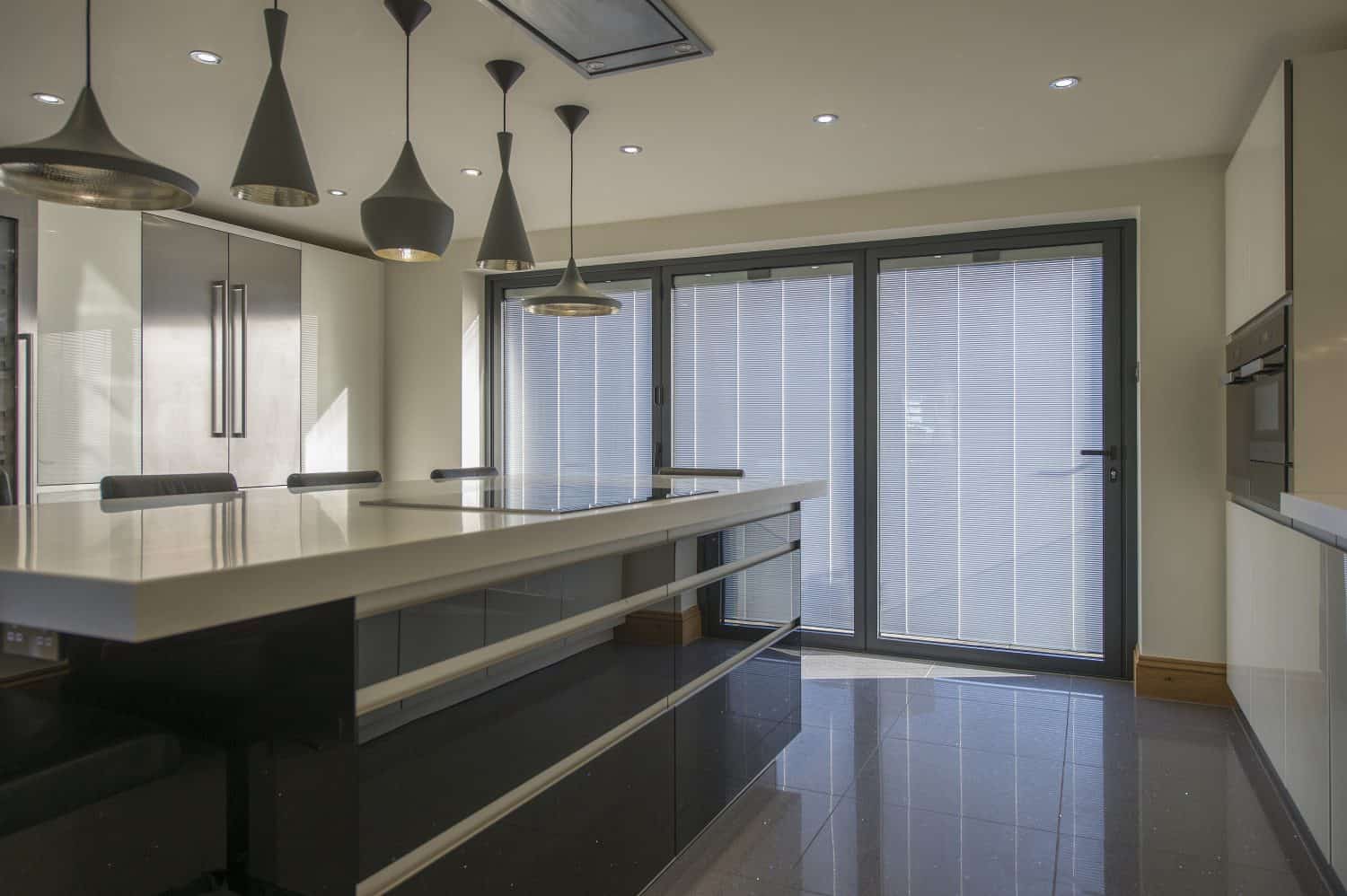
Integral blinds are useful in rooms with large areas of glass. They sit inside the glazed unit, which helps control glare and privacy without loose cords or fabric collecting dust. They can be fitted within selected bifold doors, sliding doors and aluminium windows, making them a neat option for kitchens, dining areas and indoor-outdoor living spaces.
Open Windows and Doors at the Right Time
A common mistake is opening every window as soon as it feels warm. If it is hotter outside than inside, this can bring warm air into the home and make rooms harder to cool.
A better approach is to ventilate when outdoor air is cooler, usually early morning, later evening or overnight where safe.
Try this routine:
1. Keep windows, doors and blinds closed during peak heat
2. Open windows on opposite sides of the home once outdoor air cools. Aluminium tilt and turn windows are particularly great for wide or tall openings.
3. Open internal doors and external patio doors to let air move through the house
4. Use higher openings such as rooflights (if they open) to release rising warm air
5. Close everything again before the outdoor temperature climbs
This method helps with how to cool down a room and how to keep room cool in summer, especially in bedrooms that feel too warm at night.
Reduce Heat Made Inside the Home
A lot of summer heat is produced indoors. Cooking, lighting, appliances, and electronics can all raise the temperature, particularly in kitchens and small rooms.
To reduce heat inside:
- Avoid using the oven during the hottest part of the day
- Cook outdoors or use lighter meals where possible
- Switch off lights that are not needed
- Turn off standby appliances
- Dry clothes outside only when it will not bring pollen or damp air indoors
- Use extractor fans after cooking or showering
Kitchens often need extra attention. Kitchen sliding doors, opening windows and roof glazing can help release warm air after cooking, but shading during the day is still important.
Make the Most of Natural Airflow
Good airflow is about giving air a clear path through the home. One open window may not be enough. Openings on different sides or levels of the property can help air move more freely.
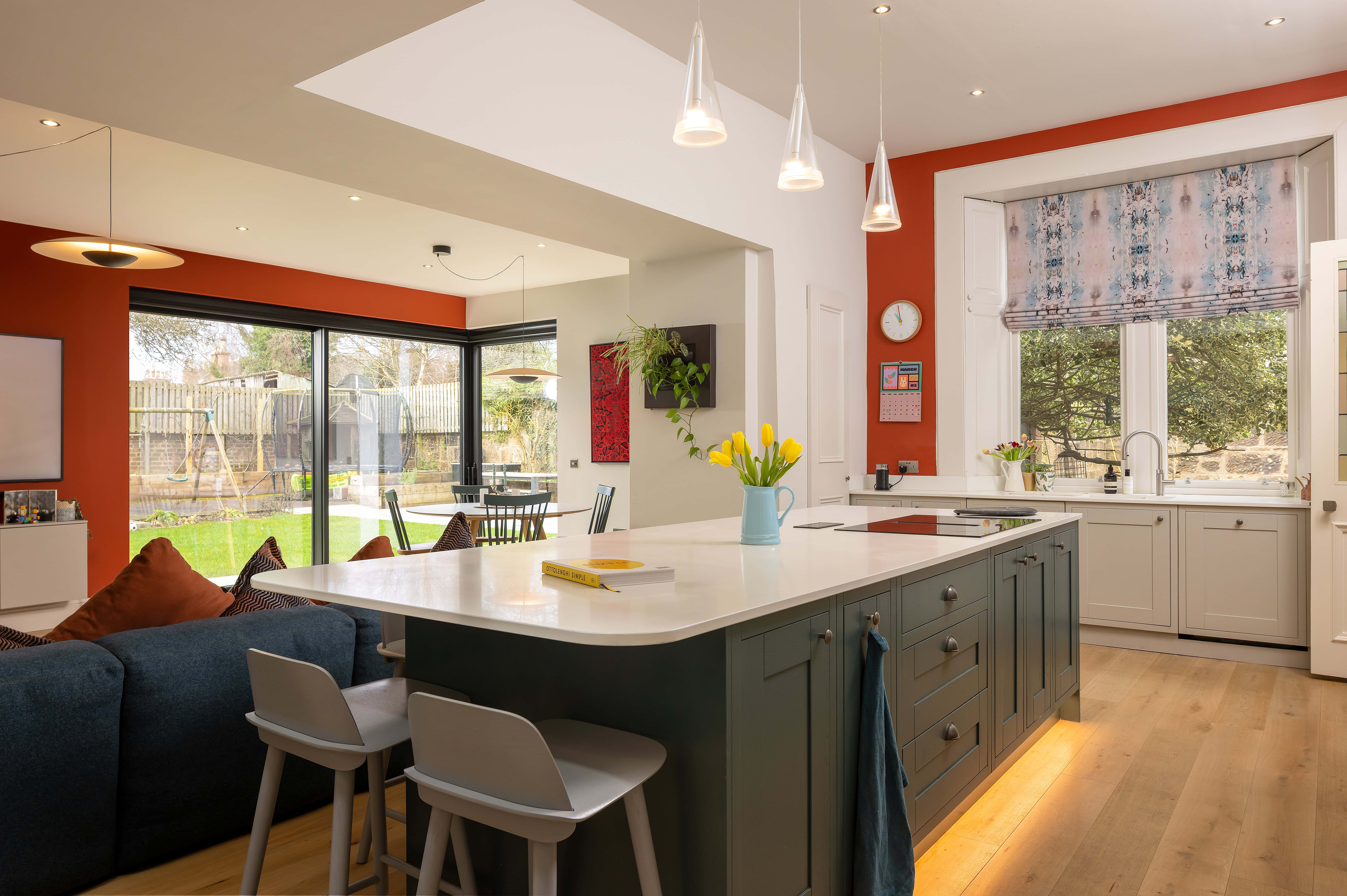
This is where glazing layout can make a difference. Bifold doors can open a large area at once, which helps clear warm air quickly during cooler parts of the day. Frameless sliding doors can be opened in stages for everyday ventilation. Aluminium windows can be placed across different rooms to guide air through the property.
Rooflights and skylights can also help because warm air rises. If your skylights open, opening them at the same time as lower windows or doors can encourage warm air to escape upwards. Our flat roof skylights are available with an opening function.
Expert Insight
Steve Bromberg, Managing Director at Express Bi Folding Doors, explains:
“Keeping a home comfortable in summer is not about leaving every opening wide all day. It is about controlling solar gain first, then using the cooler parts of the day to move warm air out. Large, glazed openings, opening rooflights, well placed aluminium windows and integral blinds all help homeowners manage that balance. The right setup gives you natural light and airflow, but also the control needed when the sun is at its strongest.”
How to Cool Down a Room Quickly
If a room already feels too hot, focus on stopping more heat entering, then move warm air out.
Try the following steps:
1. Close blinds, curtains or integral blinds
2. Turn off lights and unused electrical items
3. Open windows only if the air outside is cooler
4. Use a fan to move air towards an open window
5. Open internal doors in the evening
6. Open skylights if possible (many Velux-style rooflights open)
7. Change to lighter bedding in bedrooms
This can help with how to keep a room cool, but the best results come when you start earlier in the day.

How to Keep Cool In Hot Weather
Keeping the building cool is only one part of staying comfortable. During hot weather, personal habits also matter.
To keep cool in hot weather:
- Drink water regularly
- Wear loose, light clothing
- Avoid heavy activity during peak heat
- Spend time in the coolest room
- Keep babies, older people, and pets away from hot rooms
- Use cool showers or damp cloths
- Check indoor temperatures during heatwaves
If your home stays very hot overnight, focus on bedrooms first. Sleep is often the hardest part of a heatwave, so shade bedrooms during the day and ventilate them as soon as the air cools.

FAQs
What is the best way to keep your house cool in summer?
The best way is to stop direct sun entering during the day, reduce heat made indoors, then ventilate when the air outside is cooler.
How do you cool down a room quickly?
Close blinds, turn off heat producing appliances, open windows at cooler times and use a fan to move warm air out.
Is it better to keep windows open or closed in hot weather?
Keep windows closed when it is hotter outside than inside. Open them early morning, evening or overnight where it is safe.
Do integral blinds help keep a room cool?
Integral blinds can help reduce glare and direct sunlight, which can support a cooler room during warm weather.
Do bifold doors and sliding doors help with ventilation?
Yes, bifold doors and sliding doors can help release warm air quickly when opened during cooler periods. They work best with good shading during the day.
Can rooflights and skylights help cool a house?
Opening rooflights and skylights can help release rising warm air, especially when used with lower-level windows or doors.
How can I keep a kitchen cool in summer?
Limit oven use during peak heat, shade glazed areas, use extractor fans and open kitchen sliding doors or windows when the outdoor air is cooler.
How to keep your house cool in summer starts with reducing heat before it builds, then using well timed ventilation to clear warm air. Simple habits such as shading sun facing rooms, cooking earlier in the day, using fans carefully and opening windows at cooler times can all make a noticeable difference.
Homes with larger glazed areas often need a balance of shade and airflow. Integral blinds can help manage glare and direct sunlight during peak heat, while well placed windows, doors and roof openings can help release warm air later in the day. Used together, these features can reduce overheating and make indoor outdoor living more comfortable through the warmer months.
For the best results, visit an Express showroom to explore glazing, integral blinds, and ventilation options in person, and speak to the team about the right setup for your home.


