TRANSFORMING HOMES SINCE 2007
MADE IN BRITAIN
NATIONWIDE SUPPLY & INSTALL SERVICE
Our Favourite Open Plan Living Ideas for Your Home
Lifestyle
In recent years, there has been a boom in open plan living ideas amongst homeowners and interior designers alike. With no traditional walls or barriers, this interior design creates bright, expansive spaces that encourage connection and facilitate design flexibility.
A balanced open plan area isn’t just about the absence of walls, but utilising the space that’s made available. With careful planning, you can enjoy all the benefits of open plan living by designing a defined, visually stunning space with uninterrupted flow. Throughout this blog, we’ll explore some of our top design tips for establishing practical open plan spaces that are full of warmth and character.
So, What is Open Plan Living?
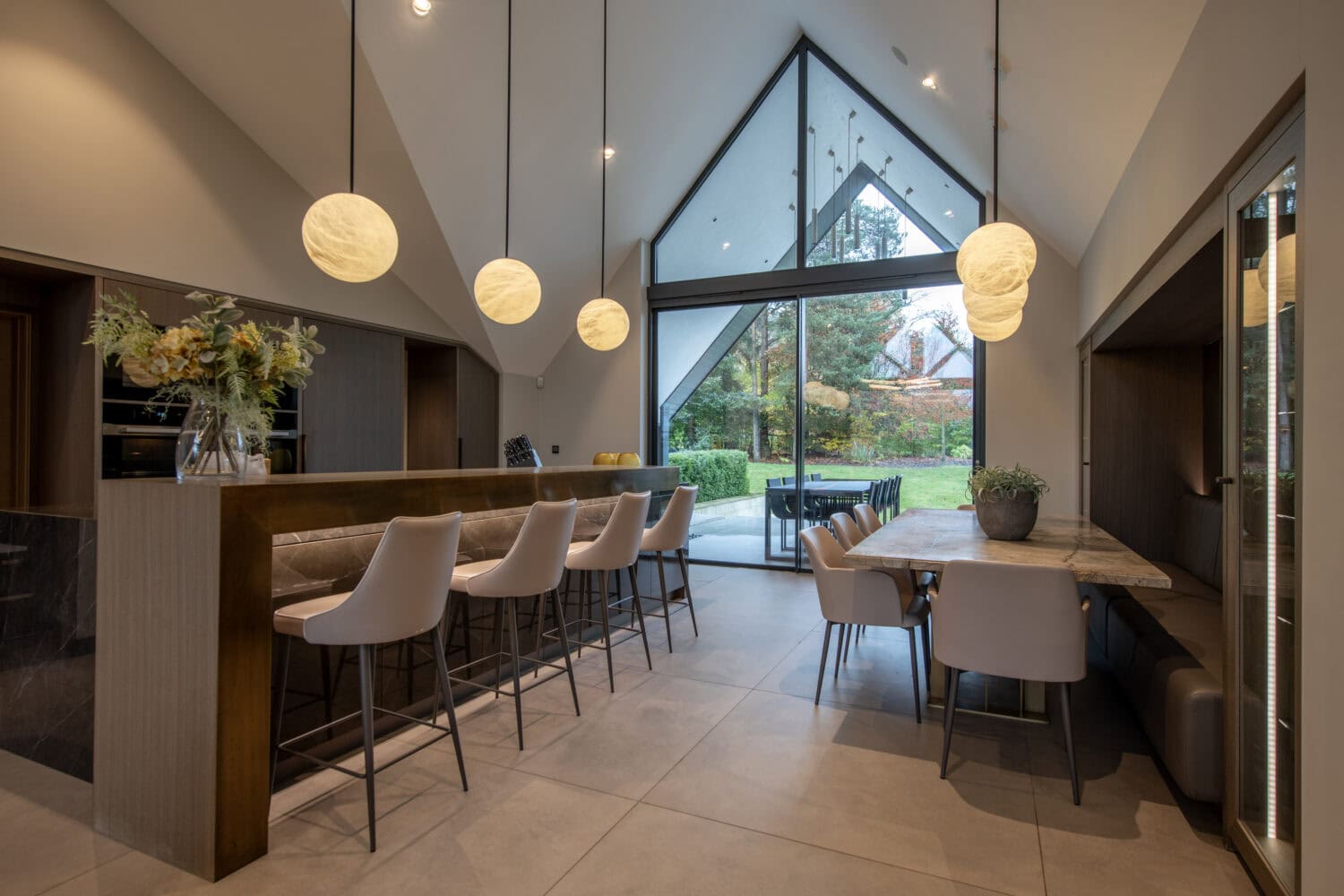
An open plan design removes traditional barriers, like internal walls and doors, to form large, connected spaces. A popular arrangement merges the kitchen, dining area, and living room into a single, fluid space, often referred to as a ‘great room’.
Often associated with a streamlined look and a functional layout, an open plan kitchen and living room improves the way homeowners live, connect, and entertain. It provides a fantastic canvas for artistic interior design that is filled with light and energy.
Benefits of Modern Open Plan Living
Open plan living has numerous aesthetic and practical benefits with effective planning. Some of the top home advantages include:
- Expansive Feel: By removing barriers, open plan areas feel much larger and more expansive, offering greater floor space for furniture and activities.
- Design flexibility: The absence of fixed walls offers incredible design flexibility, allowing you to reconfigure layouts easily as your needs evolve.
- Improved Social Interaction: This layout is better for social interactions, encouraging family members to spend more time together. It also makes entertaining guests more fluid and inclusive.
- Increased Natural Light: With fewer walls blocking the way, natural light can penetrate deeper into your home, making the entire area feel brighter and airier.
The Importance of Planning
By approaching an open plan design with thoughtful planning, a homeowner can experience these potential benefits. Although trends and images can be a source of inspiration, it’s vital that your family’s lifestyle is the priority; a good rule for interior design is that practicality should always take precedence over aesthetics.
When visualising your open plan layout, it can be invaluable to imagine where walls would be if the space were separated into traditional rooms. This process provides clarity of purpose, letting you consider the specific functions of each new, open area.
After reviewing the general layout, it can be easy to overlook the granular aspects of your open plan space. A common mistake homeowners make is not accounting for electrics; imagine placing your dream sofa in the middle of a stunning open space, only to realise there are no power outlets nearby. By planning your electrical points, you can guarantee convenience and avoid any clutter or unsightly cables.
Our Favourite Open Plan Living Ideas
We’ve gathered some of our favourite open plan living ideas which are perfect for achieving distinct functional zones that have a cohesive aesthetic and plenty of natural light. They include:
Establishing a Central Hub
The best open plan layouts have a central hub that ties everything together, providing structure and a sense of cohesion. Although the objective of open plan designs is uninterrupted flow, a well-defined central hub prevents the space from feeling like it has no purpose.
A kitchen island or large dining table is a natural and practical divider between cooking and dining areas that provides additional counter space, seating, and storage. They establish the connection between kitchen, dining, and living areas, becoming a focal point for the different sections of your open plan space to revolve around. Naturally, this space becomes the heart of the home, encouraging family togetherness and social interaction.
Defining Spaces with Furniture
A common challenge with open plan living is distinguishing different areas without disrupting the flow. A great way to provide structure is strategically placing furniture so that its body language shapes distinct zones within the larger, undivided space. An example of this might be turning sofas away from dining or kitchen areas so that their backs become dividers, to create a sense of purpose and intimacy. Ensure the scale and proportion are correct, as oversized pieces can overwhelm the area, while multiple small, disconnected pieces can make it feel cluttered.
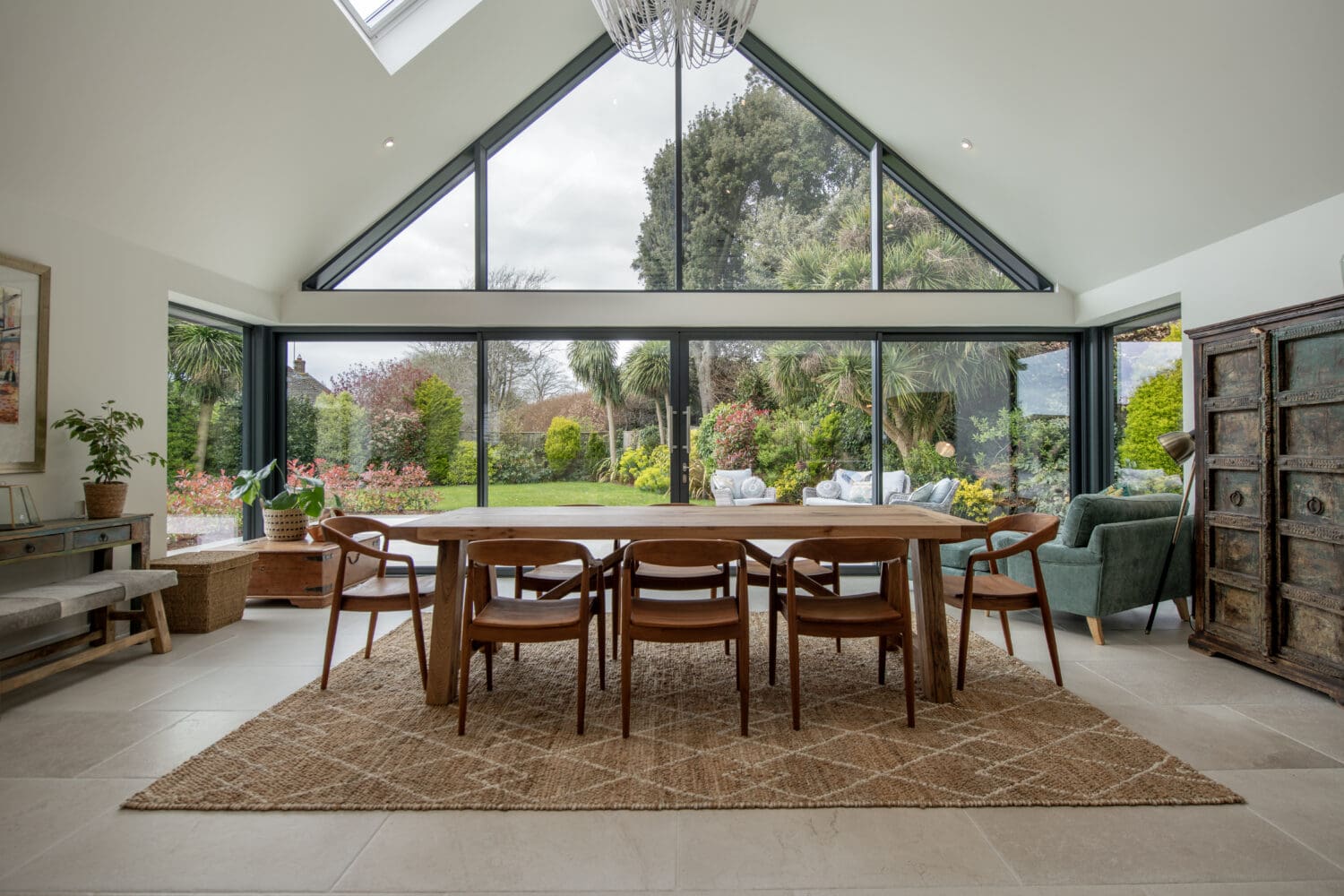
Another excellent way to define spaces is by harnessing any differences in flooring. Kitchen and dining areas naturally tend to have hard flooring because of their functional demands. A plush rug will subsequently distinguish and anchor living areas as a cosy and welcoming space. Other furniture, such as bookshelves and cupboards, can also differentiate areas, but be careful they don’t obstruct pathways or the direction of natural light.
Cohesive Lighting
A lighting scheme can make or break an open space, influencing the efficiency, mood, and visual appeal of the entire area. When thoughtfully planned and paired with natural sunlight, lighting can help define open spaces while boosting overall wellbeing.
Pendant lights help to distinguish a kitchen island as the room’s focal point, while floor or table lamps can delineate a cosy reading nook within this larger living area. A layered approach combines ambient, task, and accent lighting to form a versatile space, whilst adding visual depth.
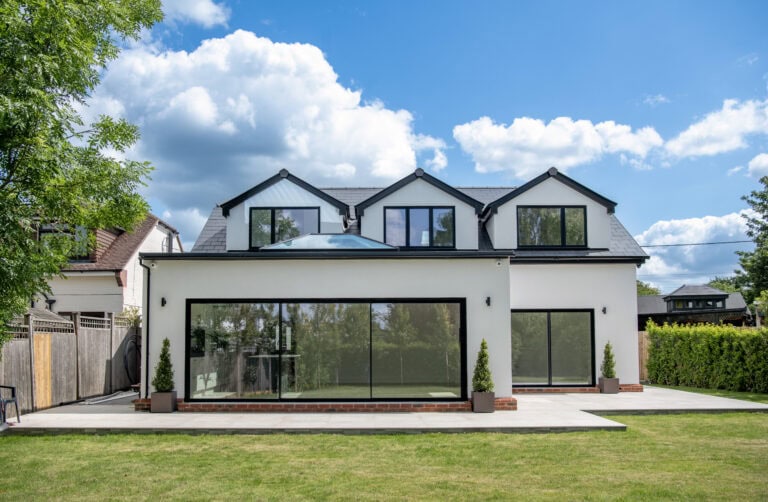
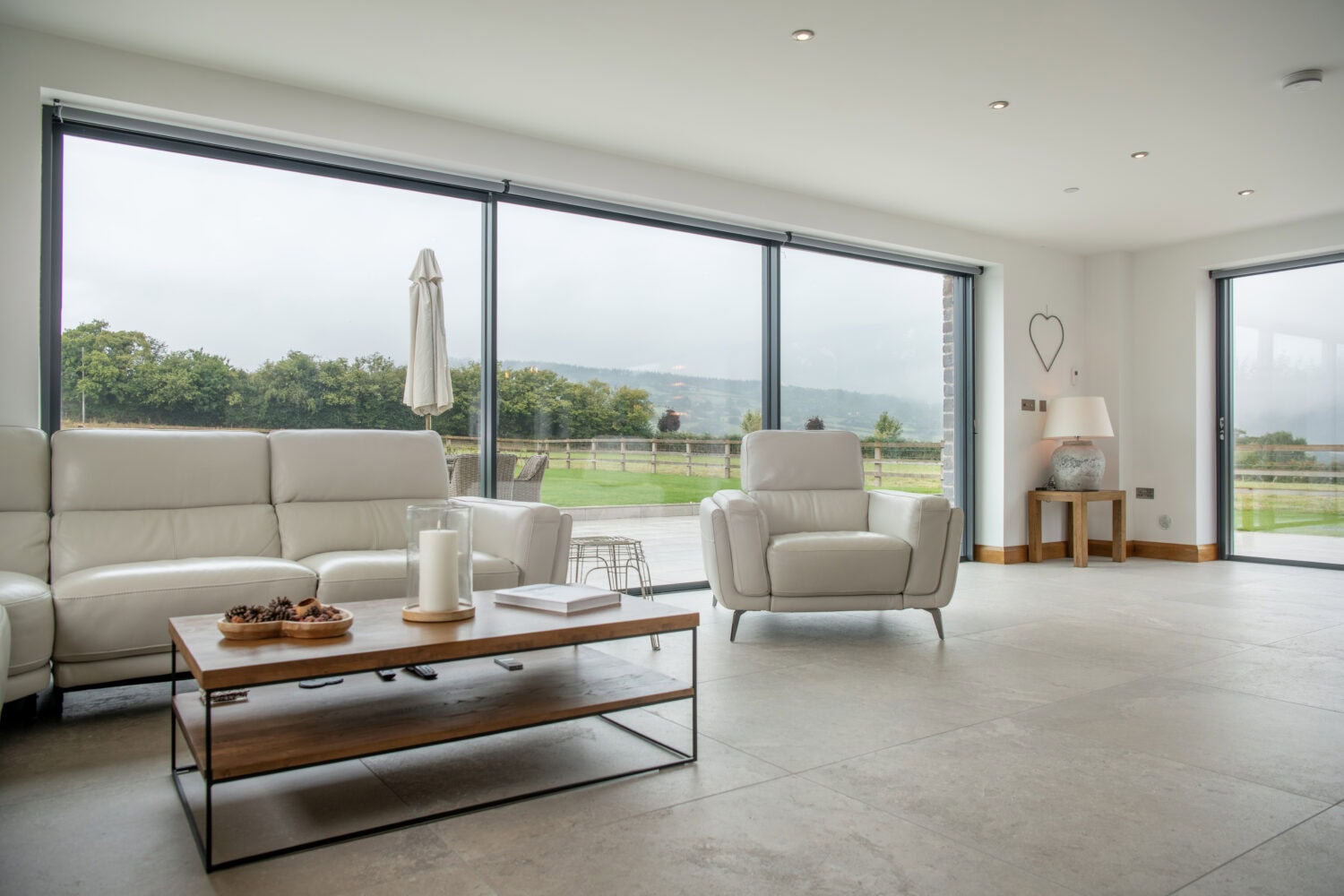
With no walls or other structural features, open plan designs allow natural light to flood these areas without obstruction. Skylights, rooflights, bifold doors, and frameless sliding doors are excellent design features that maximise the amount of sunlight entering the home because of their large, glazed structures.

Extending the Indoors Outdoors
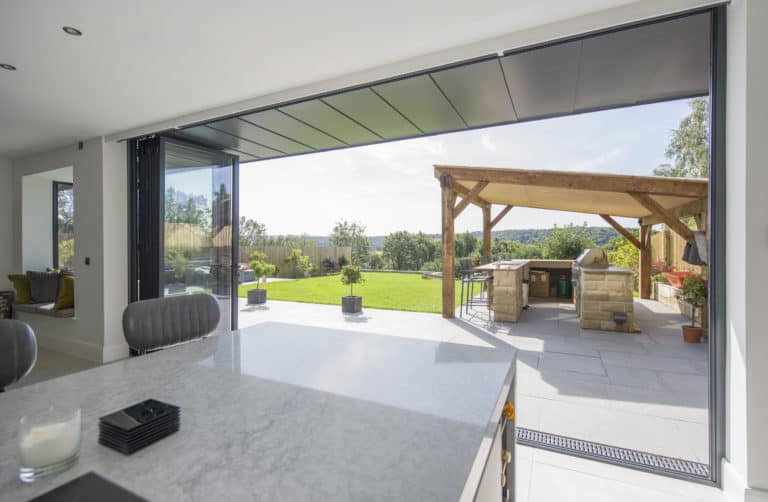
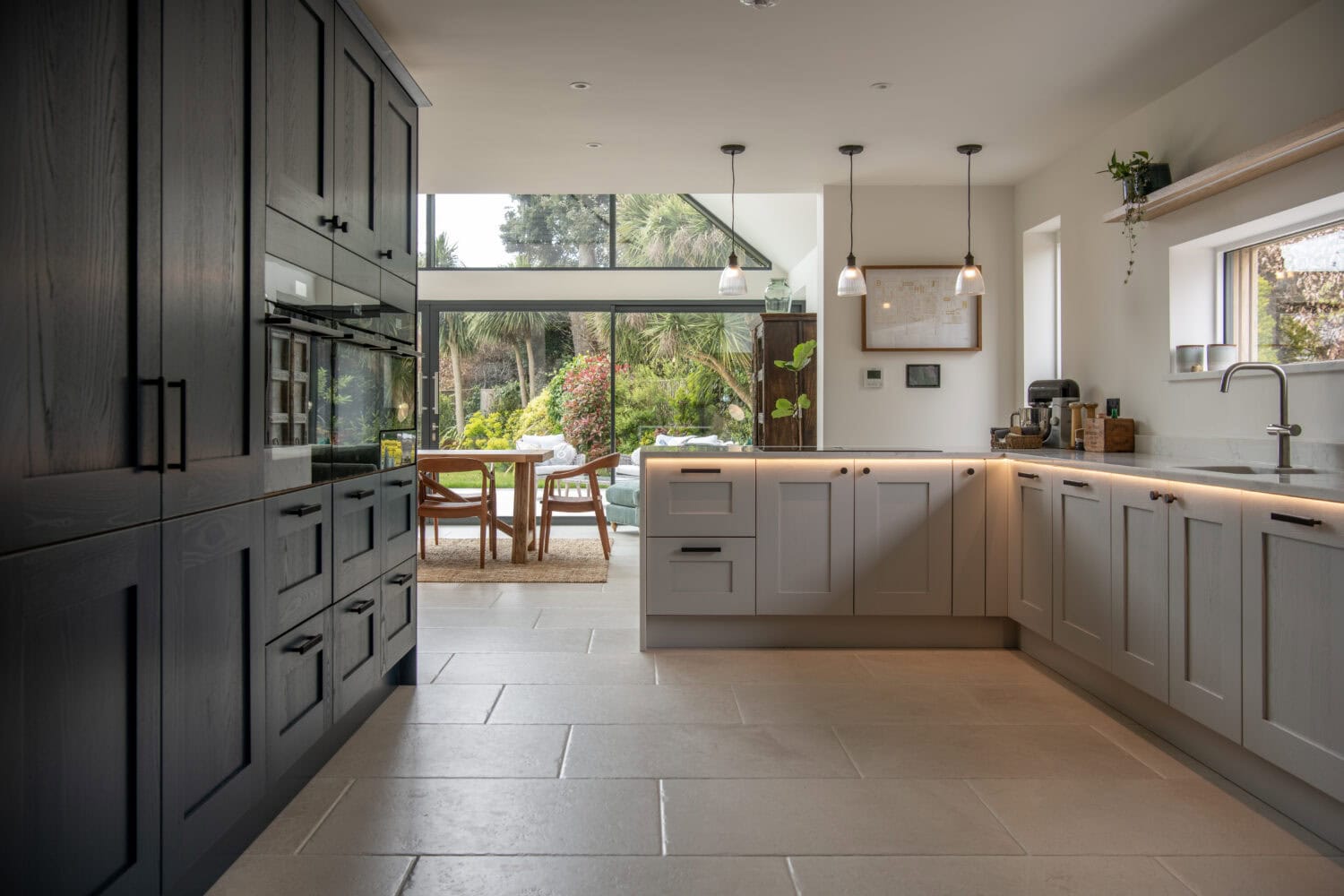
A brilliant way to develop an open plan living space is to reinforce its connection with the outdoors. Bifold doors, sliding doors, and floor-to-ceiling windows create uninterrupted visual continuity, making your garden feel like an extension of the home. This approach improves natural light and ventilation while connecting your interior with the surrounding landscape. Blurring the boundaries between inside and out invites nature into your daily life, adding a sense of openness and tranquillity to your living environment.
After catching up with architect and TV presenter George Clark, he revealed the importance of connecting your indoor and outdoor space. He believes that “‘a building’s connection to the outdoors is incredibly important. Looking out over nature is one of the best things in life. If you have a beautiful garden, of course you’ll want to connect your interior space to the outside.”
One effective way to achieve this connection is through a well-designed patio area with a glass veranda, which can physically extend your open-plan space into the garden, resulting in an outdoor room that feels like a natural continuation of the interior. Using corresponding flooring materials that flow from inside to out, along with complementary garden furniture, helps form a cohesive visual bridge, reinforcing that seamless indoor-outdoor relationship Clarke advocates.
Harmonious Colour Schemes
The colour scheme of an open plan room contributes to its visual appeal and acts as a primary tool for visual unity and zoning. A neutral base across walls, furnishings, and décor is a great way to build a cohesive overall aesthetic, while the use of accents and contrasting hues can subtly define specific zones.
Maintaining a consistent theme is an effective way to achieve visual unity while embracing a variety of design elements. Contemporary homes might lean towards a minimalist aesthetic, featuring sleek kitchen appliances and aluminium furnishings in the living area. In contrast, traditional interiors may include stone countertops, wooden accents, and rattan dining sets for a more classic look. For those drawn to nature, incorporating biophilic design elements and organic motifs can strengthen the connection between the indoors and outdoors.
Open concept living is more than just a design trend; it’s a lifestyle shift that can redefine how you use and interact with your home. With thoughtful planning and the right open plan living ideas, you can combine beauty and efficiency to create a bright and free-flowing space that’s perfect for both family gatherings and dinner parties.
Looking for design features that will bring your vision to life? Explore our expertly crafted aluminium bifold doors, sliding doors, and aluminium windows here at Express to improve the style and accessibility of your open plan space with the outdoors.
Get in touch today or visit one of our showrooms for expert advice on the best fit for your home.